AI toy images: ask for a generic one, get somebody else's product
Eight prompts, no brand named in any of them, run on 2026-08-13. Four came back as a design a toy buyer names on sight.
Rightsrights·FreeImgGen Team·Updated ·Tested on Z-Image Turbo
The short answer
AI toy images are yours to use commercially. Somebody else's product design is not, and that is the trap in the toy trend: ask for a generic toy and the model hands you a specific branded one. We ran eight prompts on 2026-08-13 with no brand, franchise or character named in any of them. Four came back as designs a toy buyer would name on sight, and a fifth landed inside one label's house style. This is a trademark question rather than a copyright one, and the two have different answers.
MethodEight prompts describing toy categories in plain words, with no brand, franchise, character or designer named in any of them. One generation each, Z-Image Turbo through freeimggen.com, 2026-08-13, nothing re-rolled. A frame counts as branded when someone who buys toys would name the brand or franchise on sight. We made that call ourselves and every frame is published here, so you can disagree with any of them.
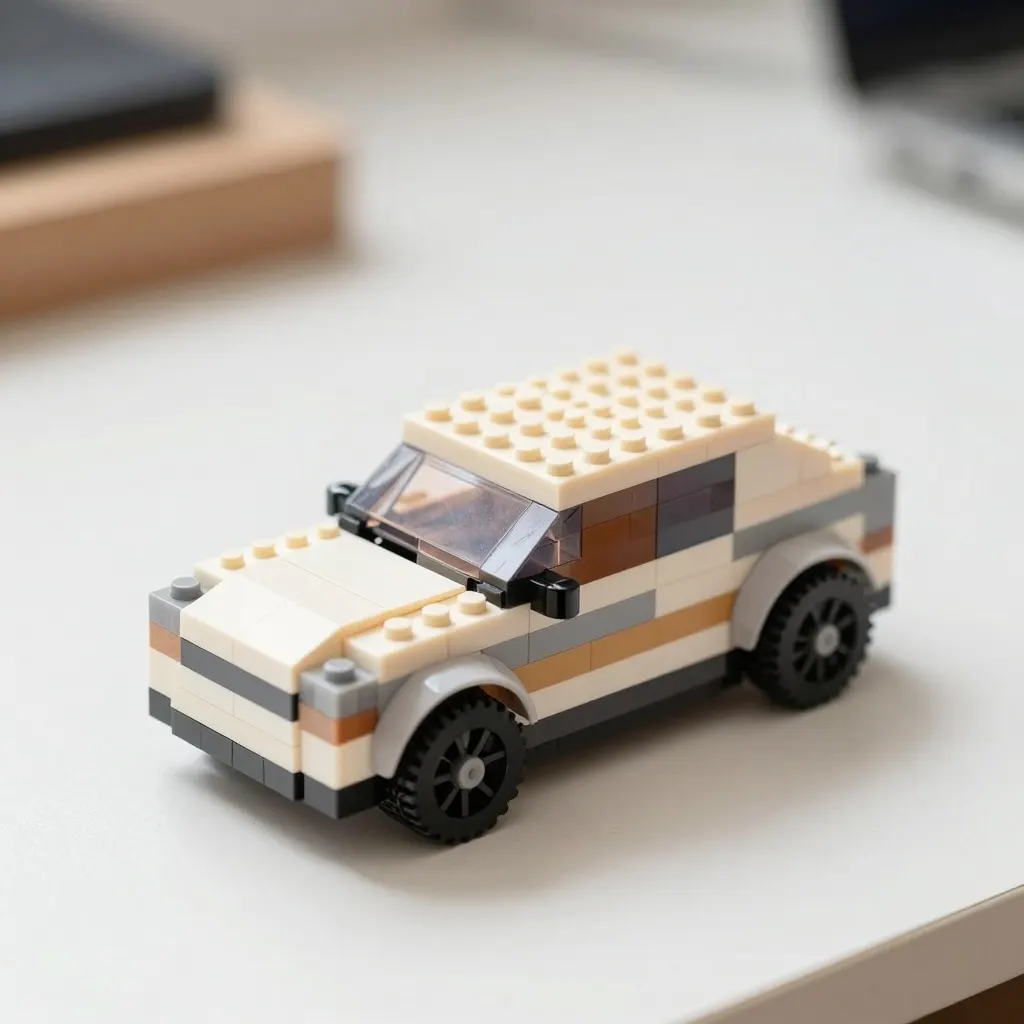
asked: brick-built car
Branded. Not a generic block car: the stud spacing, the wheel arch plates and the wheel design are one company's system, and that system is protected.
A brick-built toy car with studs on the roof, on a white desk, close-up
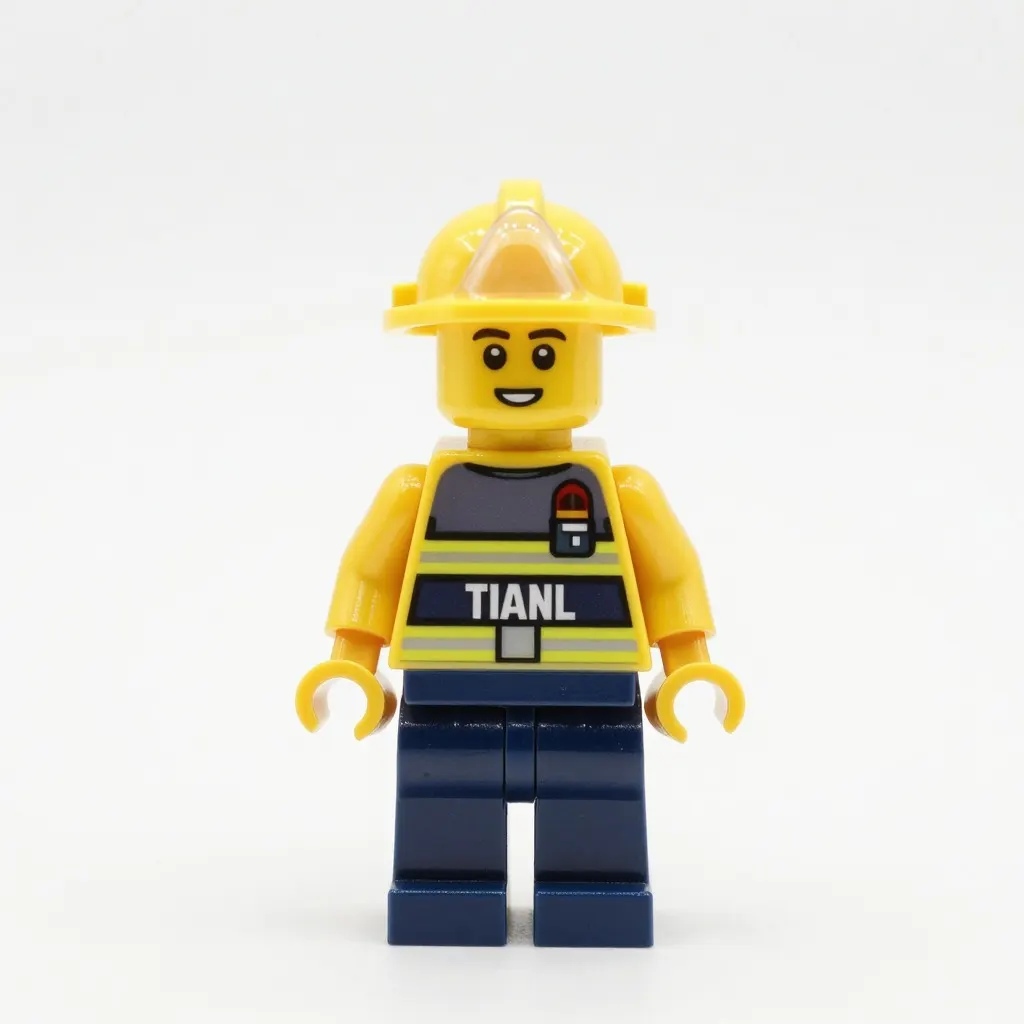
Branded. The yellow head, the C-clip hands and the proportions are the minifigure, which is a registered shape. The printed word on the torso, TIANL, is invented.
A plastic building-block minifigure of a firefighter on a white background
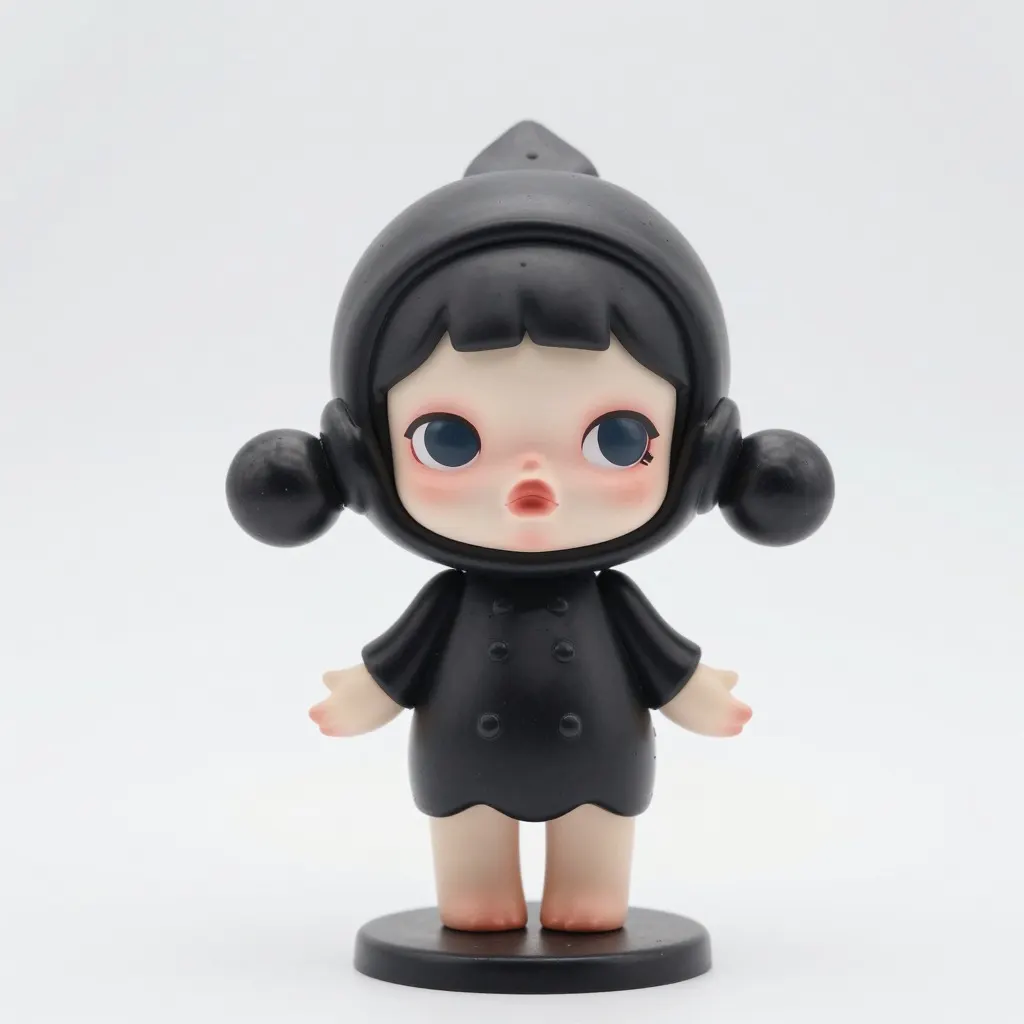
The borderline one. It is not a character we can name, but the face shape, the eye size and the finish are the house style of one designer-toy label rather than a generic doll.
A collectible vinyl figure of a big-eyed girl in a hood, plain studio background
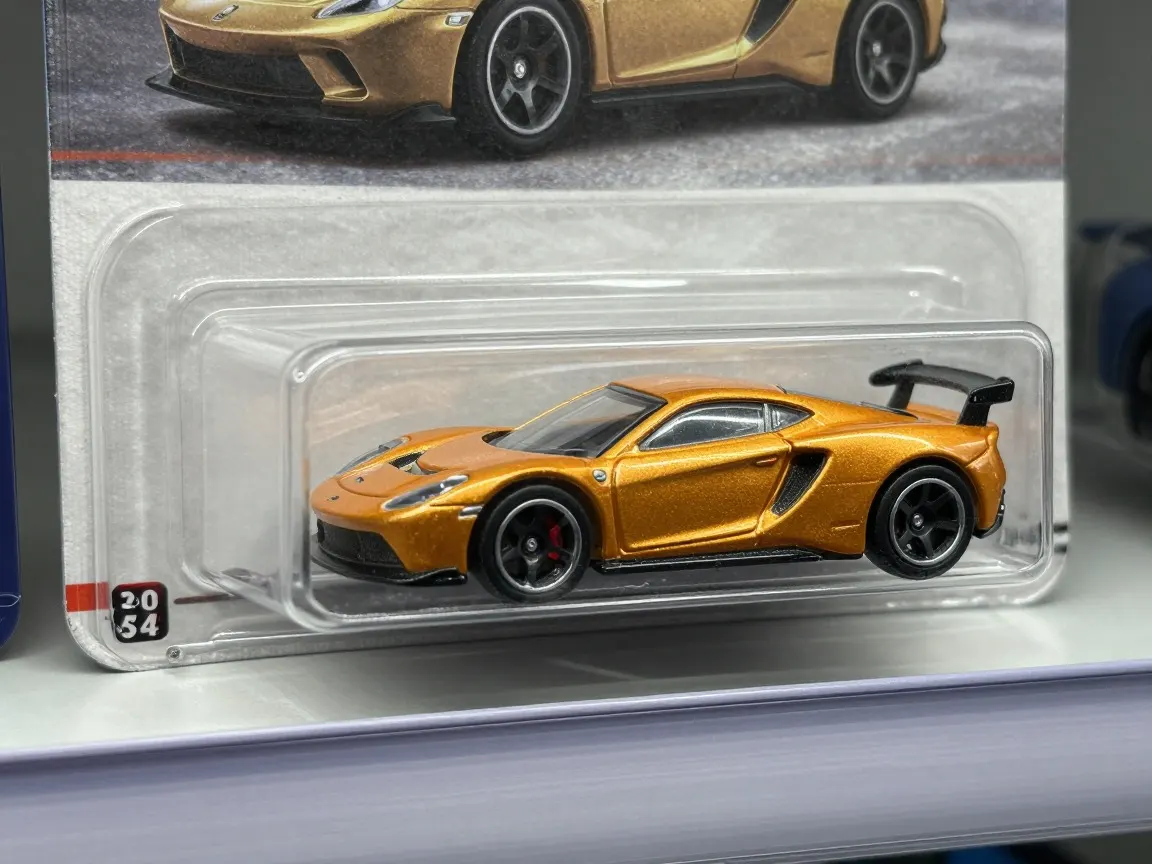
Generic. The card layout belongs to the whole category rather than to one maker, and the car is a mid-engine shape that matches no production model we can identify.
A die-cast toy sports car in cardboard and plastic packaging on a shelf
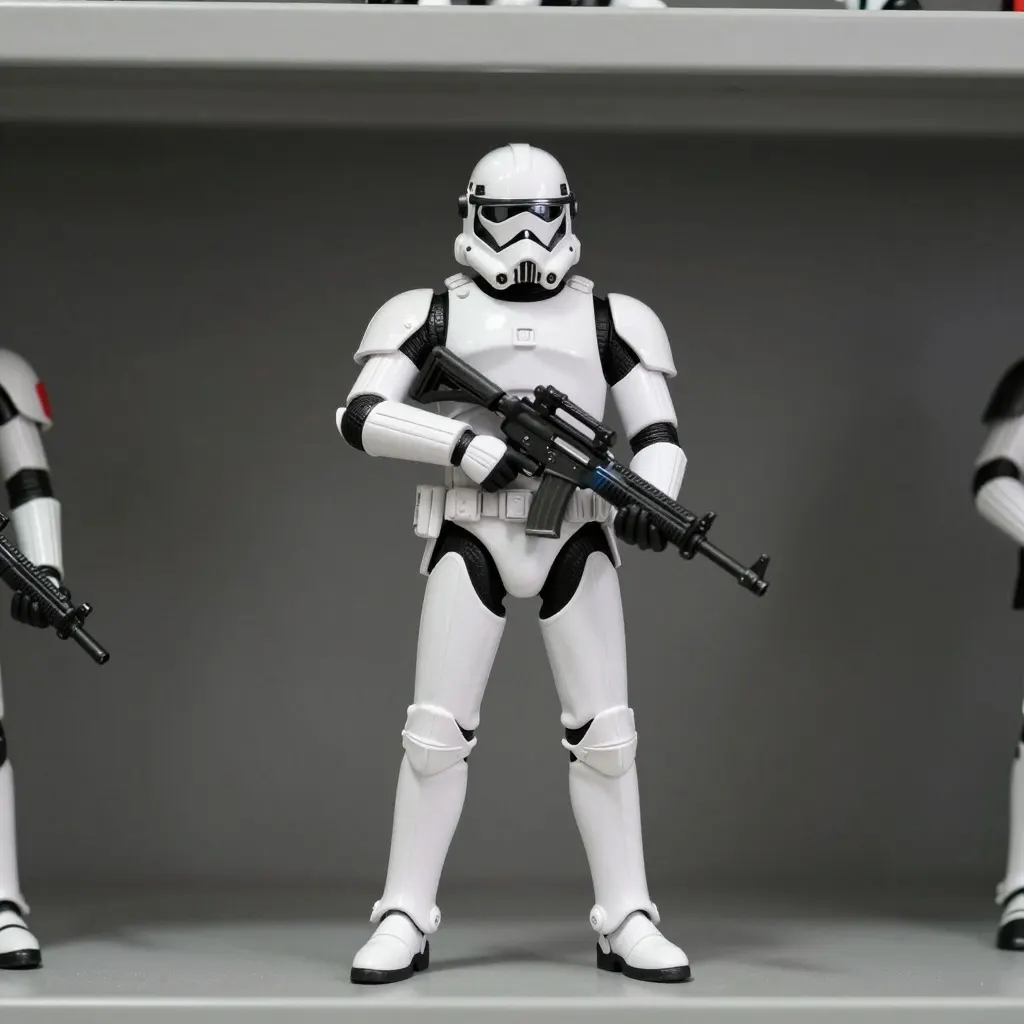
Branded, and the clearest hit in the set. Six words of plain description, no film mentioned, and the helmet is one of the most protected props in cinema.
An action figure of a space soldier in white armour holding a rifle, on a shelf
Three of the eight came back as nothing in particular, which matters as much as the other five. A model that always produced somebody's trademark would be useless for this trend. This one produces them in categories where a single product owns the picture.
MethodThe eight prompts above in the order we ran them, with what came back and the call we made on each. Z-Image Turbo, 2026-08-13, one generation per prompt.
#
Category we asked for
What came back
Call
01
brick-built car
one company's brick system
branded
02
building-block minifigure
the minifigure
branded
03
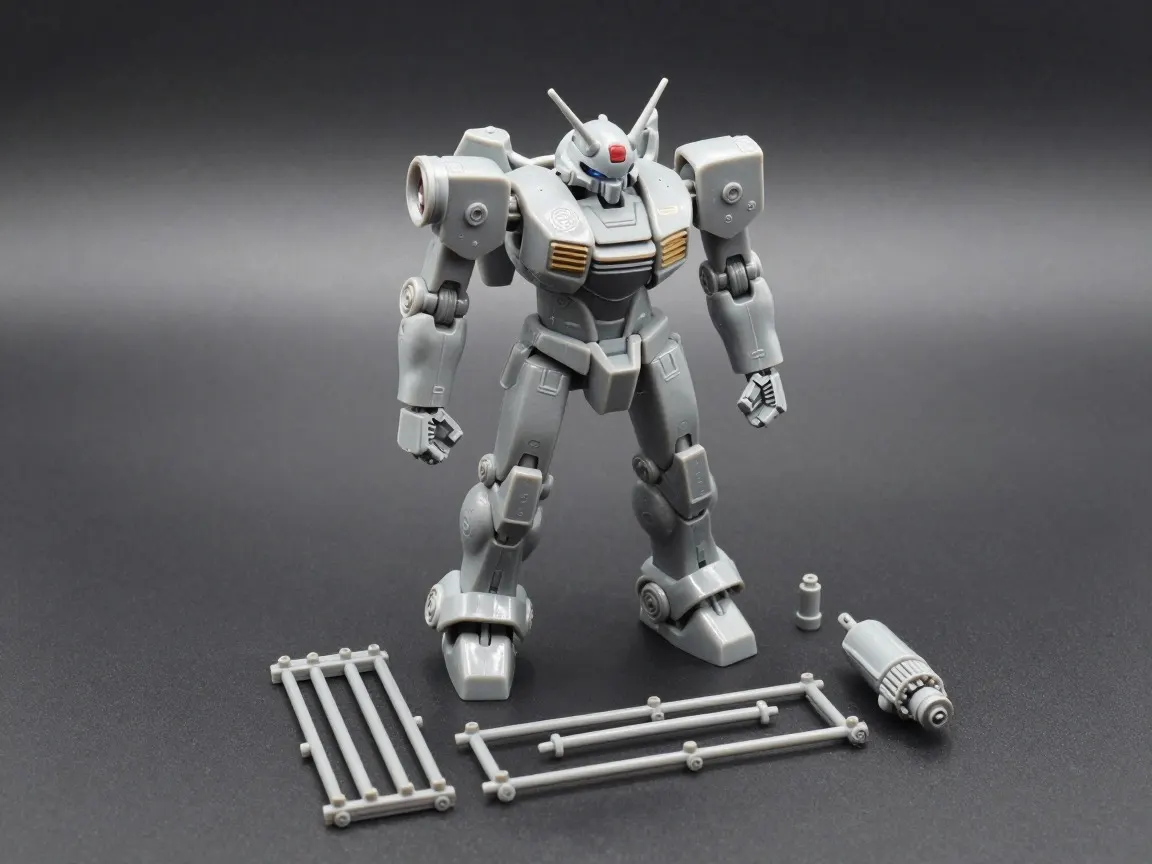
humanoid robot kit
a specific mech from a specific franchise
branded
04
big-eyed vinyl figure
one label's house style, no named character
house style
05
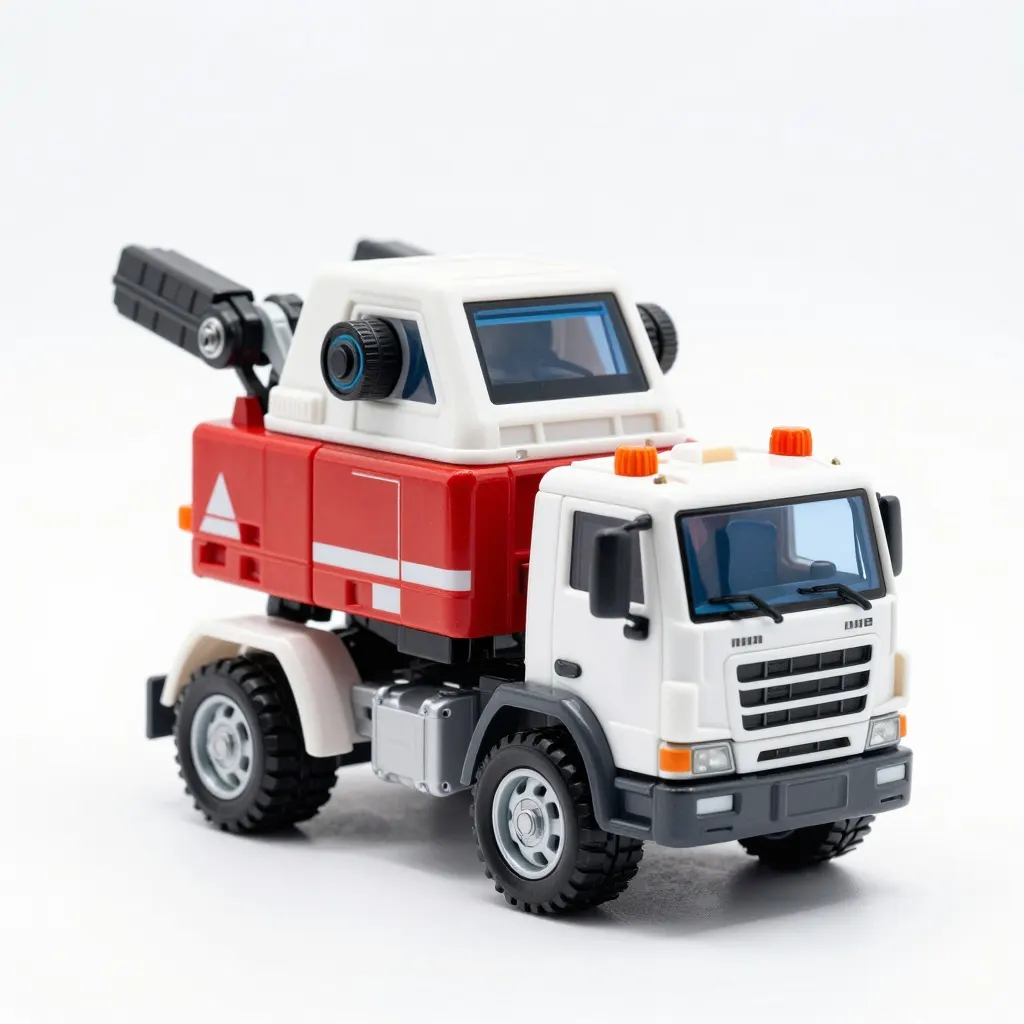
transforming truck robot
own-brand supermarket toy
generic
06
die-cast car in packaging
category-typical card, unidentifiable car
generic
07
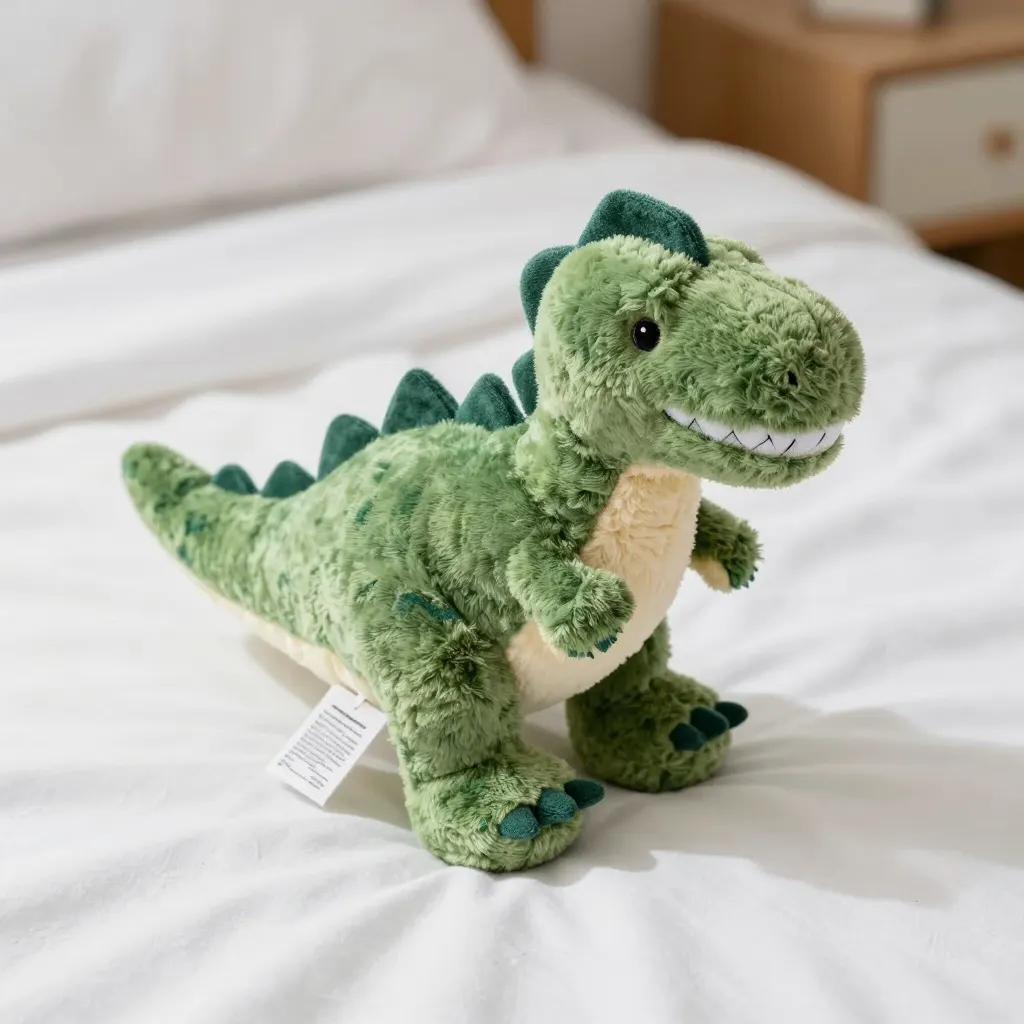
plush dinosaur
a plush dinosaur
generic
08
space soldier in white armour
a very famous helmet
branded
Why it reaches for the famous one
A diffusion model returns the centre of what a phrase has been attached to. For most descriptions that centre is harmless: "plush dinosaur" sits on top of tens of thousands of unrelated soft toys, so frame 07 is nobody's.
Some categories have no centre other than one product. Nearly every photograph captioned "minifigure" on the open web is of the same company's minifigure. "Space soldier in white armour" has one overwhelming referent in every image set that exists. The model is not reaching for a brand. It is reaching for the average, and in those categories the average is a brand.
That is why the effect concentrates exactly where the toy trend concentrates. The formats people want, blister-packed action figures, block figures, mech kits, are the formats one company owns the picture of.
Trademark is not the copyright question
Our piece on selling AI art covers copyright: who owns the image, and whether you can stop anybody else using it. This is the other half, and the answers do not match.
A trademark, in the USPTO's own words, "can be any word, phrase, symbol, design, or a combination of these things that identifies your goods or services". The same page is blunt about scope: "you don't have rights to the word or phrase in general, only to how that word or phrase is used with your specific goods or services". A toy shape that tells a shopper who made it is doing exactly that job, which is why product shapes and helmet designs get registered.
So the two questions land differently. Copyright asks whether your picture is protected, and for unedited generator output the US answer is generally no, on the human authorship ground the Copyright Office has maintained through its AI guidance. Trademark asks whether your picture makes a buyer think a brand stands behind it. You can comfortably fail the second while the first is still unsettled, and selling is where it bites.
We are not lawyers and this is not legal advice. Both sources above are linked so you can read them rather than take our word for it. Checked 2026-08-13.
Ad
Describing a toy so you do not get one
Name materials and construction rather than the category. "A jointed plastic figure in matte white armour with a segmented chest plate and a mirrored visor" gives the model far less to average over than "space soldier in white armour" did in frame 08.
Do not try to fix it with a negative. "Not LEGO" and "generic, unbranded" are the phrasings people reach for and they are close to inert, for the reason we measured across forty images: a diffusion model has no subtraction step.
Re-roll and look properly. Generation here is free and uncapped, so the cost of pulling five and discarding four is your attention. If you can name what came back, so can a rights owner and so can a marketplace's automated check, which is the same reflex that already applies to saying an image is AI.
When we are the wrong tool
If you want a specific character, we are not it and no prompt makes us it. That is a licensing question, and no free generator changes the answer.
If you want your own face on the figure, a text prompt cannot do it, and we do not generate likenesses of real people.
And if you are shipping a product rather than a post, the images on this page are the argument for having a person look at every frame before it goes anywhere. We published all eight, branded ones included, because the failure is the point of the piece. Putting the same frames on a listing would be a different act with a different answer.
Run the safe one
The plush prompt, which came back as nobody's toy. Compare it with what happens when you swap plush dinosaur for minifigure.
The image itself carries no licence from us and downloads are unwatermarked. Whether a given image is safe to sell depends on what is in it: in our eight-prompt test on 2026-08-13, four returned product designs a buyer would name on sight, and those are the ones that get a listing pulled.
Is it infringement if I never named the brand?
Naming nothing is not a defence, because the test is what the picture does rather than what you typed. None of our eight prompts contained a brand, a franchise or a character, and four still returned recognisable product designs.
How do I stop the model producing a minifigure?
Describe the construction instead of the category: joint type, material finish, proportion, colourway. Category words like minifigure or mech kit have one dominant referent in the training pictures, so they pull straight to it.
Does adding "generic" or "not branded" to the prompt work?
Barely. Negative phrasing does very little in a diffusion model, which we measured separately across forty images. Adding detail that describes a different object works; asking for the absence of one does not.
Why publish the branded frames at all?
Because the failure is the finding, and a claim about what a model does is worth nothing without the frames underneath it. Showing them to illustrate the problem is a different act from putting them on a product listing.