AI crayon drawings come out neat, and bad photos come out right
Twelve prompts across four kinds of badness, run on 2026-08-13. The crayon scribbles came back competent and the flash-blown snapshots came back convincing.
Experimentmodel behaviour·FreeImgGen Team·Updated ·Tested on Z-Image Turbo
The short answer
Ask for an AI crayon drawing and it comes back tidy. A model trained on polish will imitate bad equipment and will not imitate an unskilled hand. We ran twelve prompts on 2026-08-13: not one of the six handmade-crudeness prompts came back crude, while three of the six photographic ones passed as genuinely bad photos and a fourth got the era right. The two remaining failures had a different cause. Writing "phone photo" got us a tidy photograph of a phone.
MethodTwelve prompts in four registers, three each: a child's crayon drawing, a mouse-drawn Paint picture, a careless phone snapshot, a 2005 compact-camera photo. One generation each, Z-Image Turbo through freeimggen.com, 2026-08-13, nothing re-rolled. Each was scored on one question: would this pass as the thing it names, to someone who has seen the real thing?
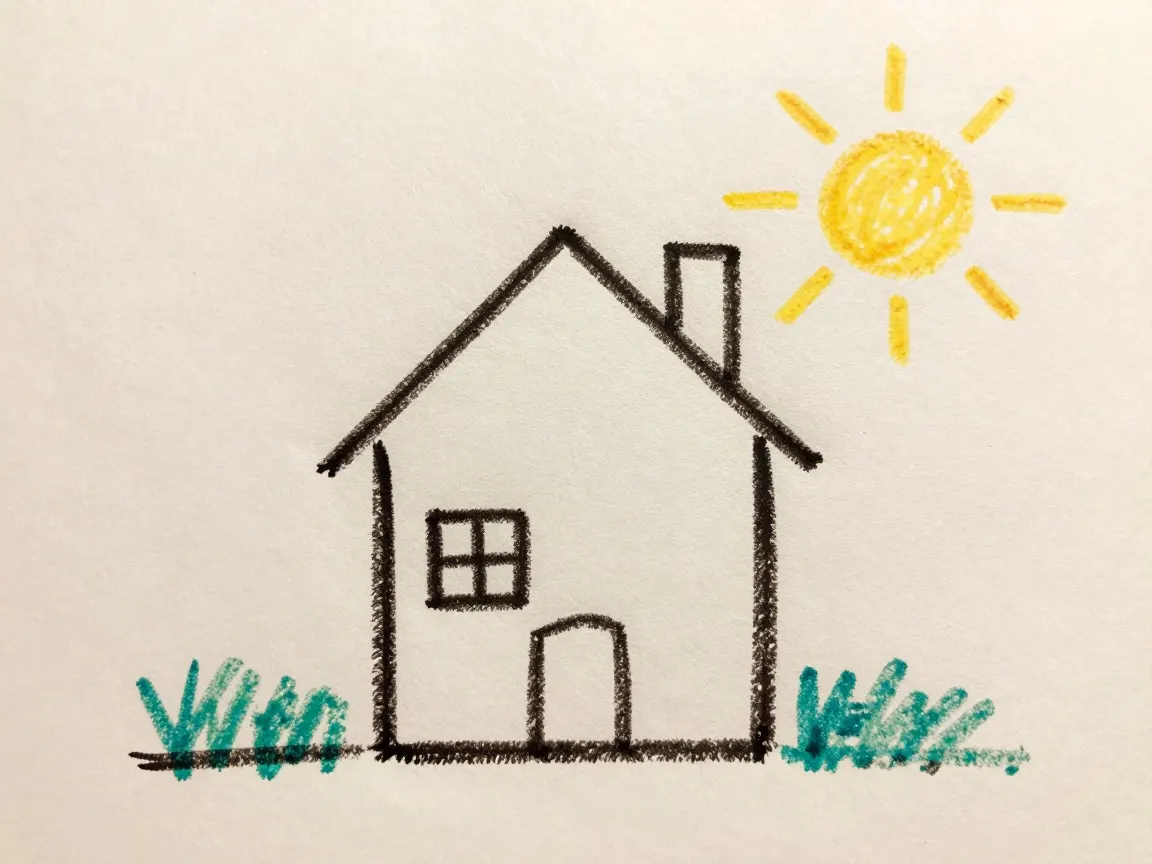
crayon, house
Wax texture yes. We asked for lines going over the edges and every stroke stays inside its shape. The roof is straight.
A child's crayon drawing of a house with a sun in the corner, wax texture on rough paper, lines going over the edges
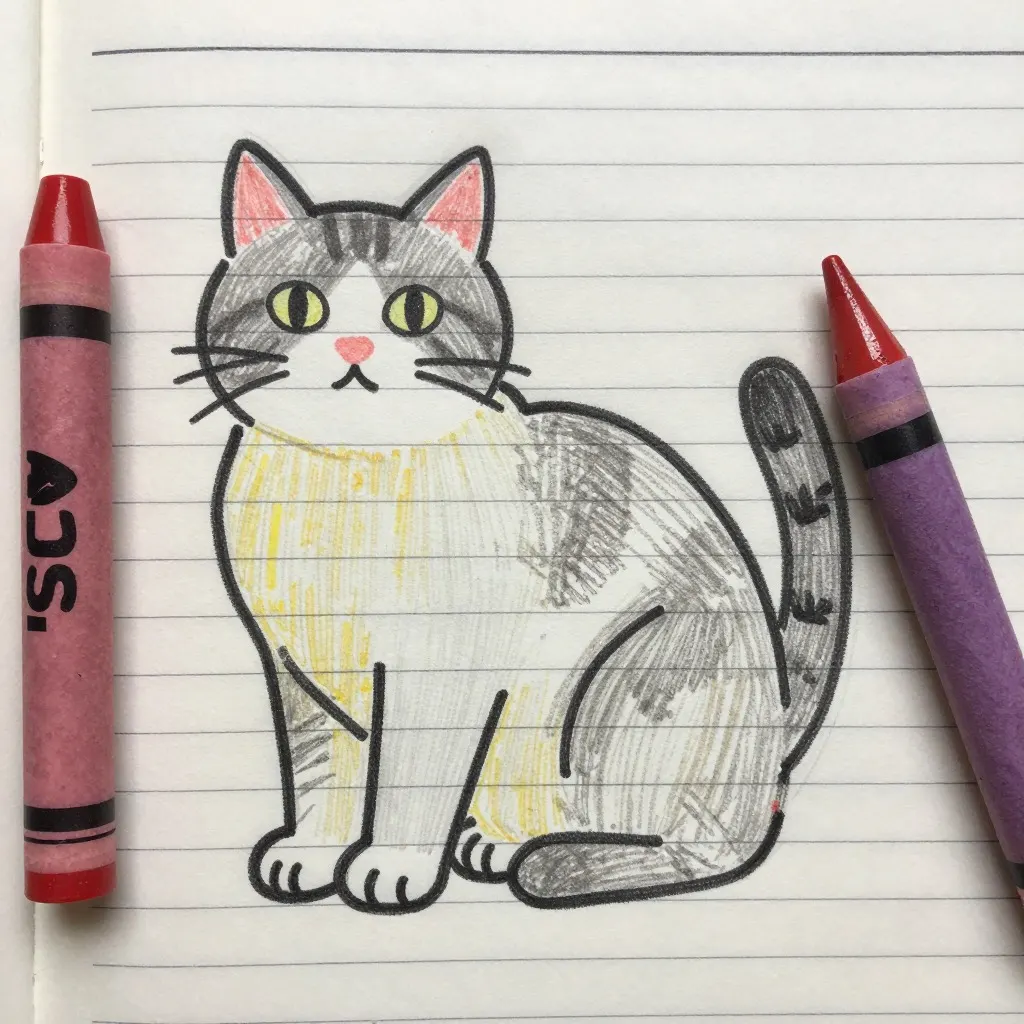
It shaded the fur, kept every stroke inside the outline, and added two crayons beside the pad as set dressing. The one instruction was the one thing it would not do.
A wax crayon drawing of a cat, coloured outside the lines, on lined school paper
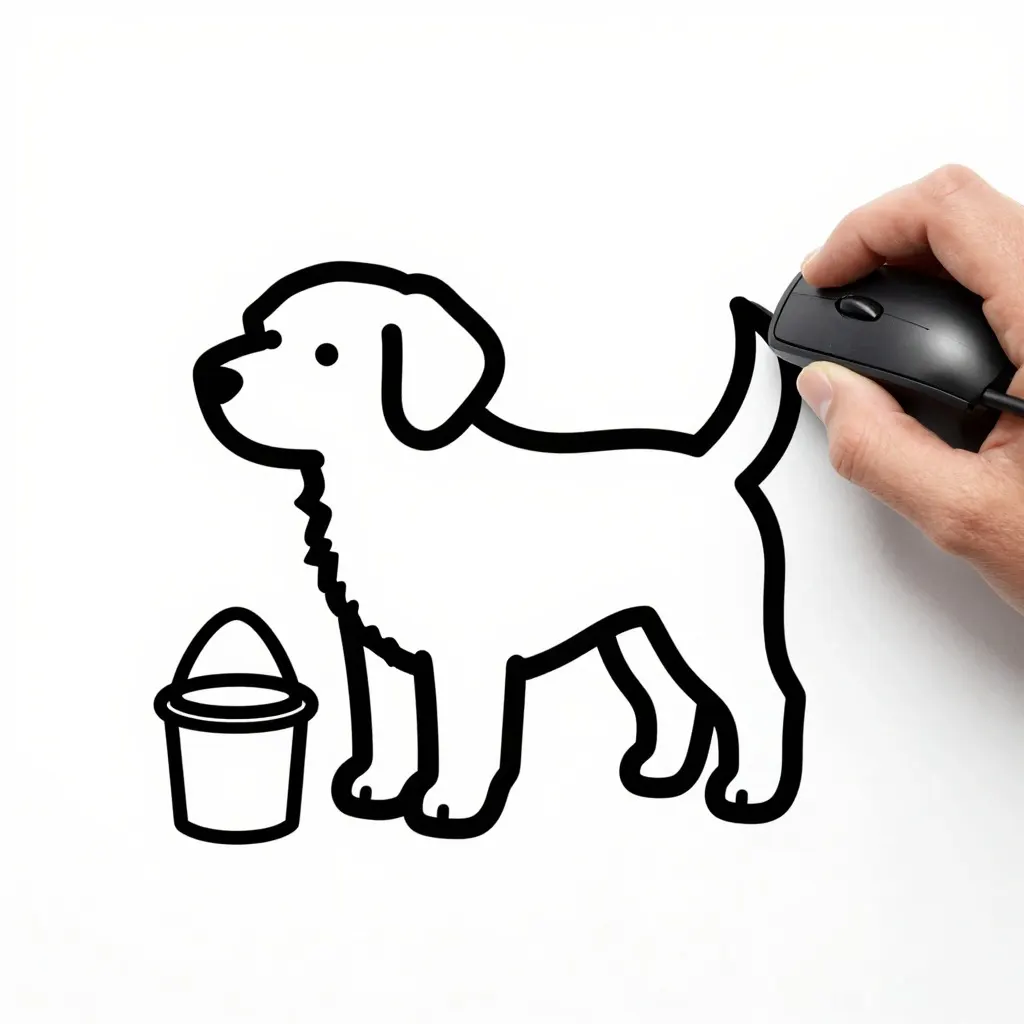
Even line weight, smooth curves, and a photograph of a real hand and mouse dropped in beside it. None of the aliasing that makes a Paint drawing recognisable.
A picture drawn with a mouse in MS Paint, jagged black outline of a dog filled with the paint bucket, white background
Six prompts asked for work made badly by a person: crayon over the lines, a wobbly Paint drawing, a crude cake. Six came back competent.
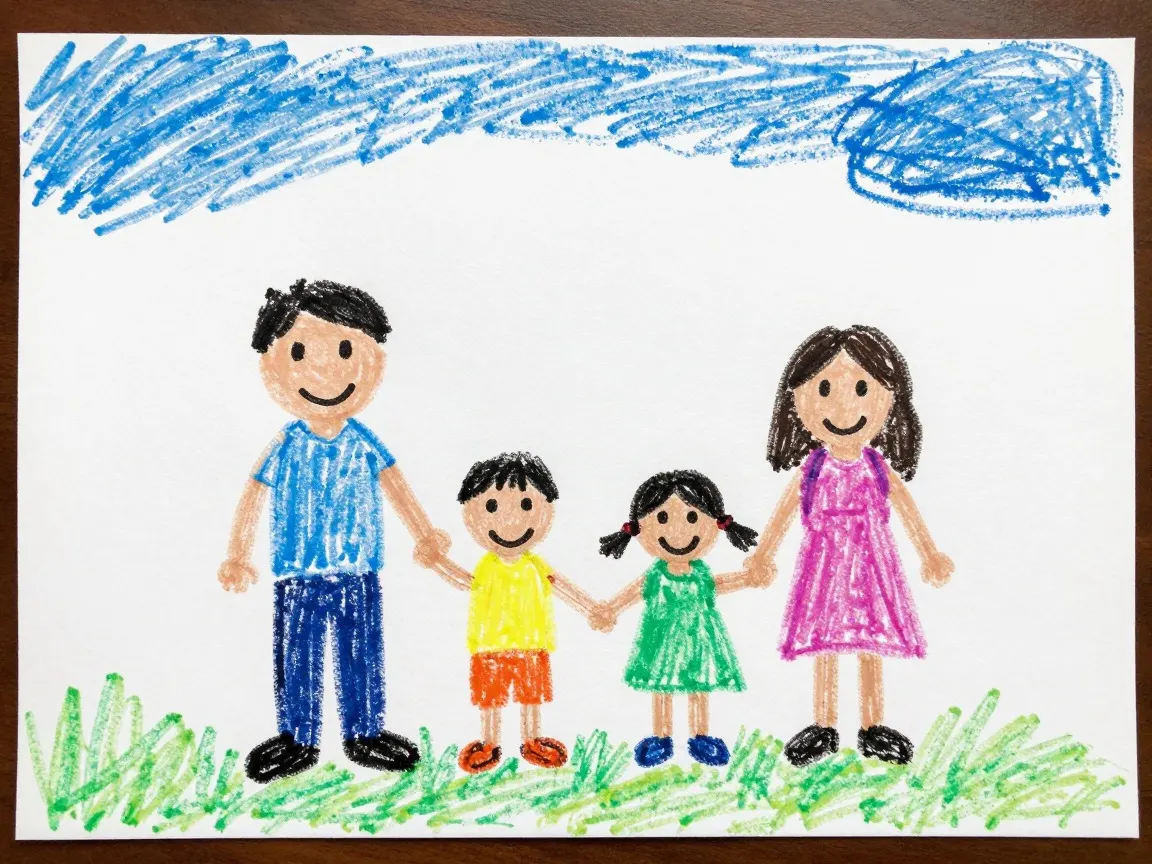
Frame 03 is the clearest. The instruction was "coloured outside the lines", which is one unambiguous thing, and the result has shading, consistent fur direction and not one stroke past the outline. Frame 02 asked for uneven proportions and returned a family with matched limbs and hands that meet.
The reason is in what these words have been attached to. Millions of captioned images say "crayon drawing" or "child's drawing", and almost all of them were selected, scanned and uploaded because somebody liked them. Nothing in that pile is labelled "this one is bad". So the model learned the medium, and the medium arrives without the incompetence that usually comes with it.
Name the medium, not the talent
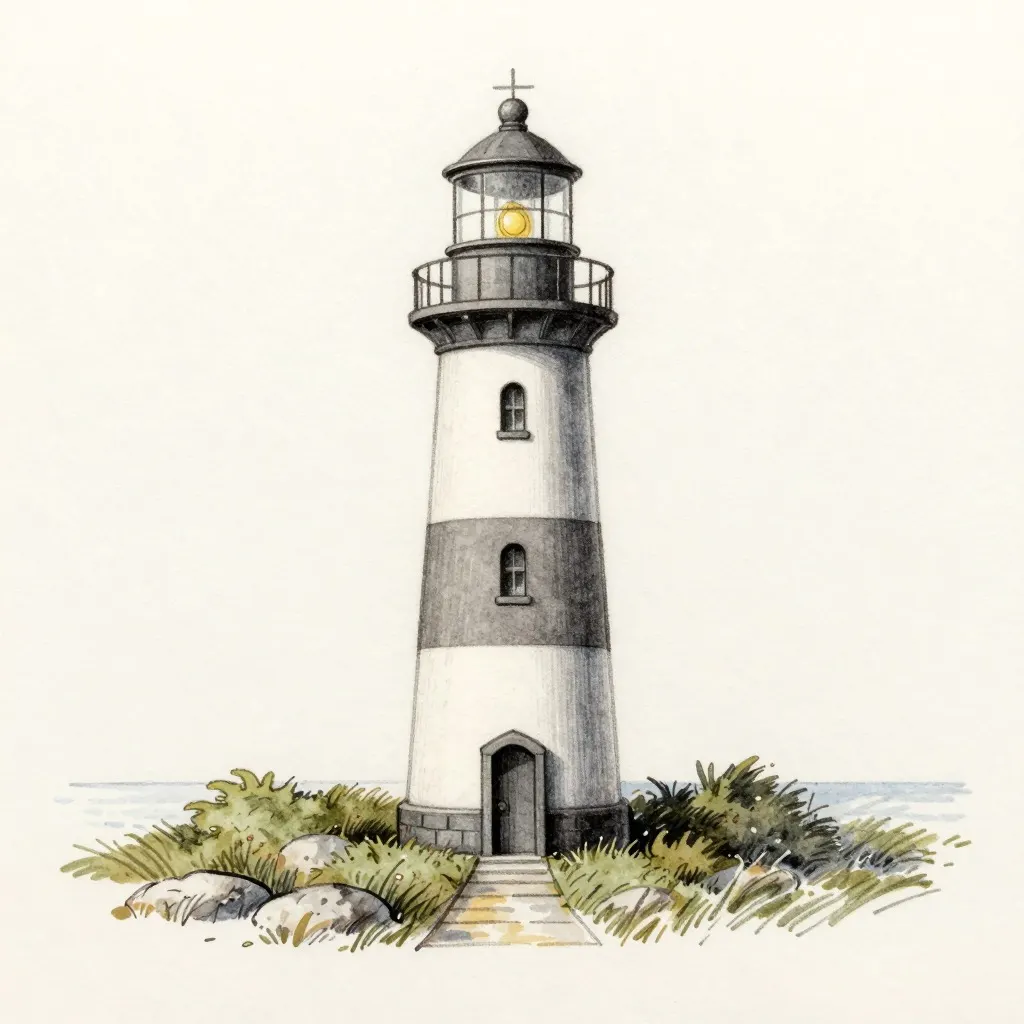
One thing does move the result, and it is not the word bad. We asked for the same lighthouse twice.
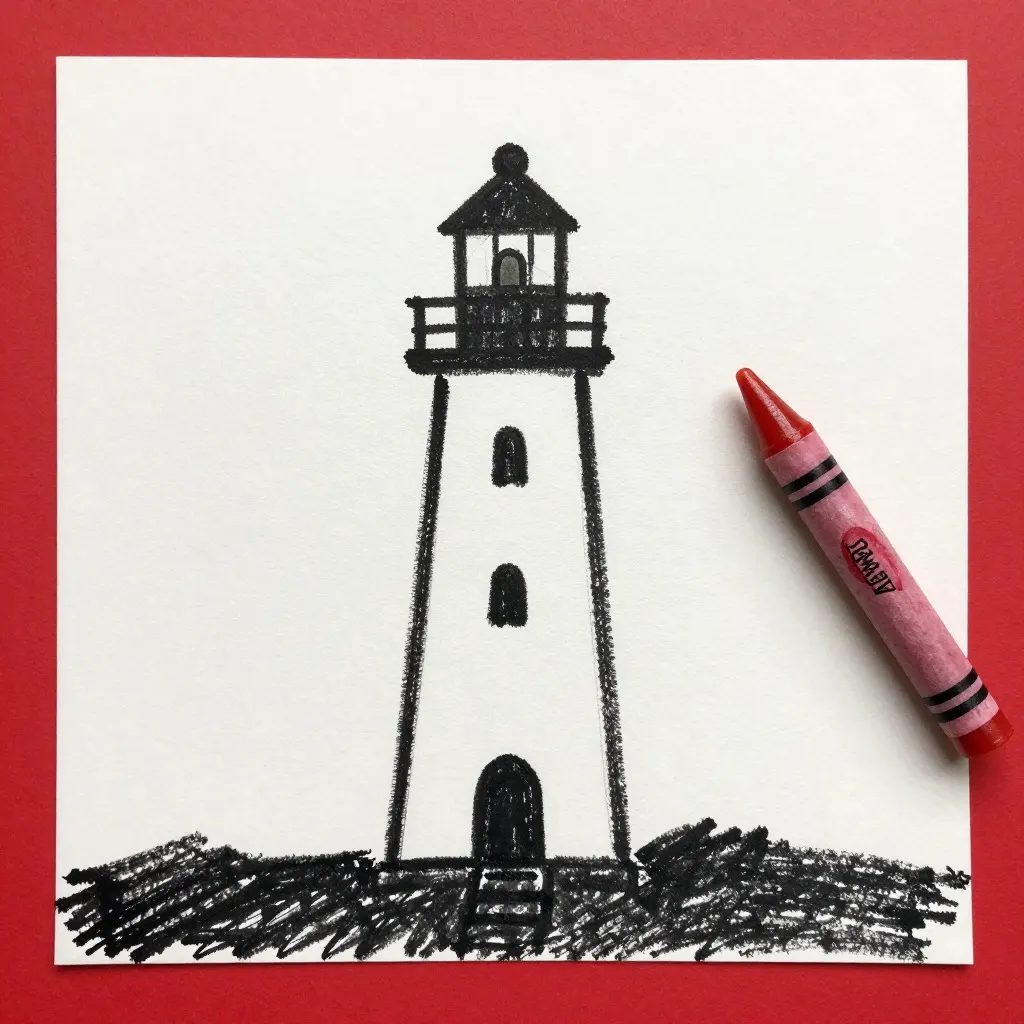
The first version described the maker's ability: "done badly by someone with no talent". Back came a pen and watercolour study with correct perspective, a graded wash and confident linework. The second version named a medium and an age instead, "a wax crayon drawing on rough paper by a six year old", and that got heavy black crayon, scribble shading and a flat frontal tower.
It still is not a child's drawing. The verticals are straight, the gallery rail is symmetrical, and there is a red crayon lying next to a drawing made entirely in black. But the gap between the two frames is the whole lesson: a description of skill pulls nowhere, a description of materials pulls hard.
MethodThe same subject asked for twice, once by naming the maker's ability and once by naming the medium and the age. Z-Image Turbo, 2026-08-13, one generation each, neither re-rolled.
Asking for no talent produced an illustrator. Asking for wax crayon and a six year old produced crayon, scribble shading and a flat tower, plus a red crayon that drew none of it.
A wax crayon drawing of a lighthouse on rough paper by a six year old
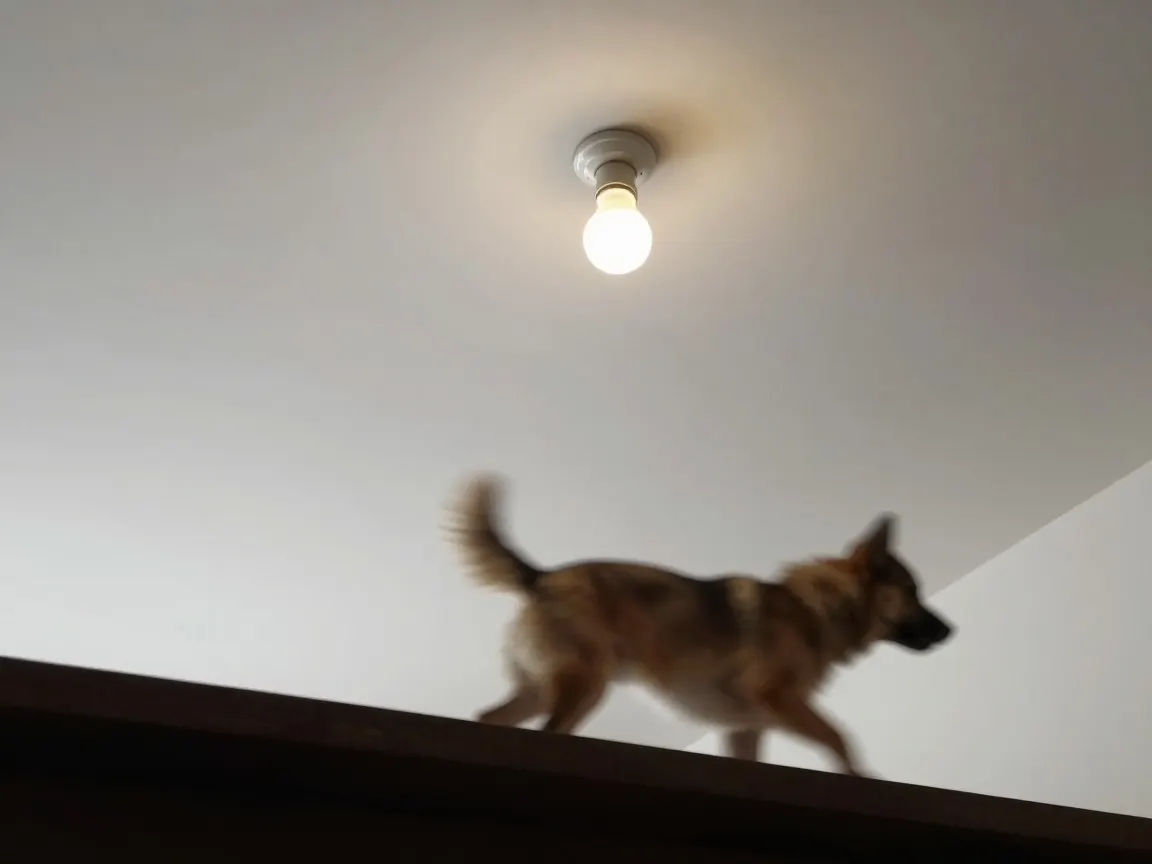
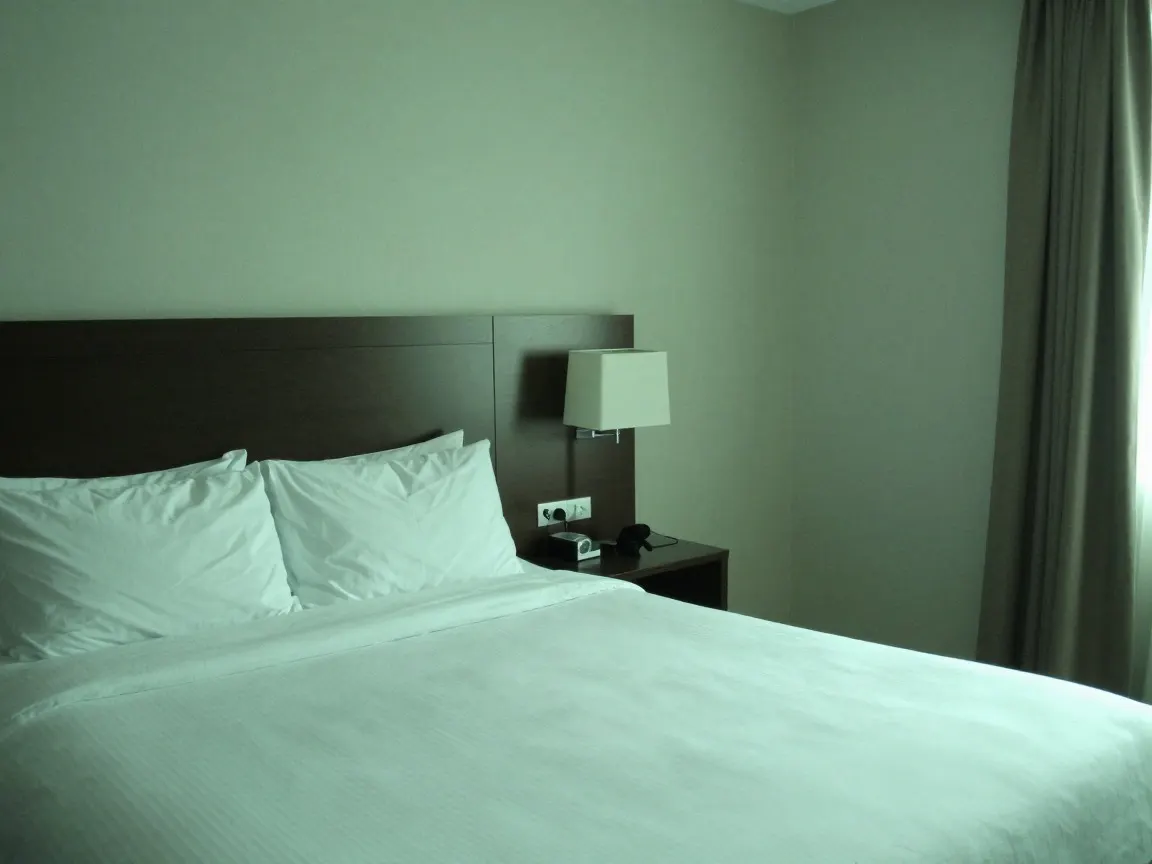
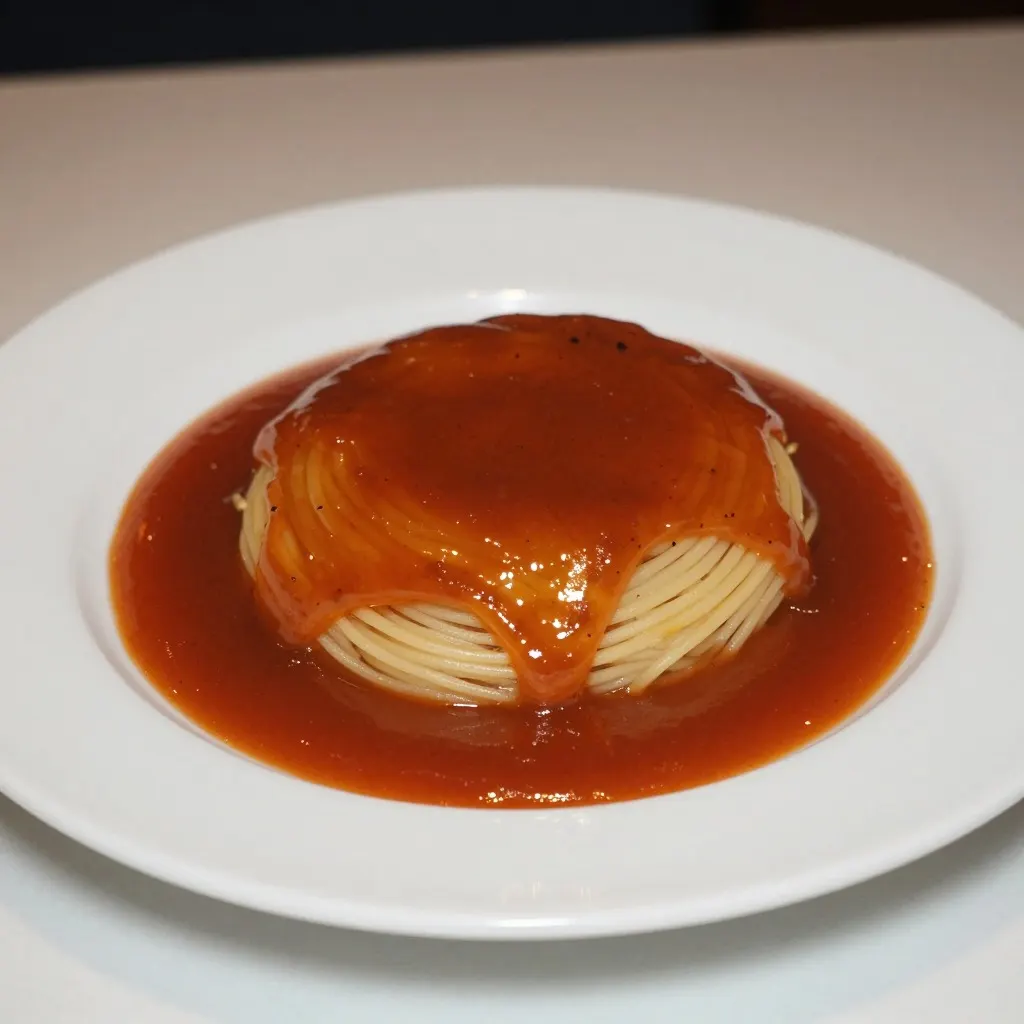
Swap "drawn badly" for "photographed badly" and the same model delivers immediately. Frame 08 has motion blur through the dog, a horizon several degrees off level, a bare bulb in shot and half the frame given to empty ceiling. Frame 11 has the green cast and the flat frontal light of a cheap sensor. Frame 12 has the flash sheen on the sauce that ruins every restaurant photo taken before about 2012.
The difference is that these are physical conditions rather than judgements. A flash reflection, a slow shutter, an unbalanced white point and a small sensor all leave the same marks in every photograph that has them, and those marks are in the training data at scale.
Which is the useful version of the whole imperfect-photo trend: stop asking for a bad picture and start naming the equipment that would have taken it.
Say phone and you get a phone
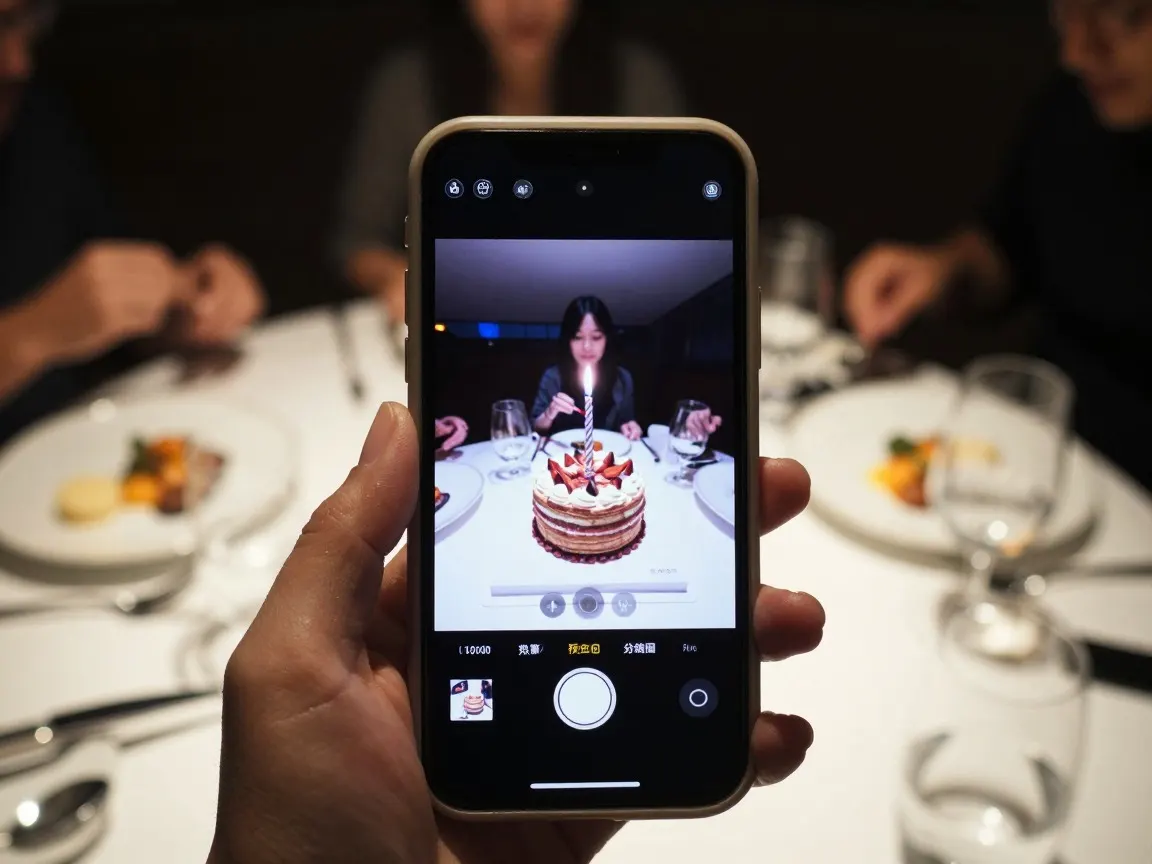
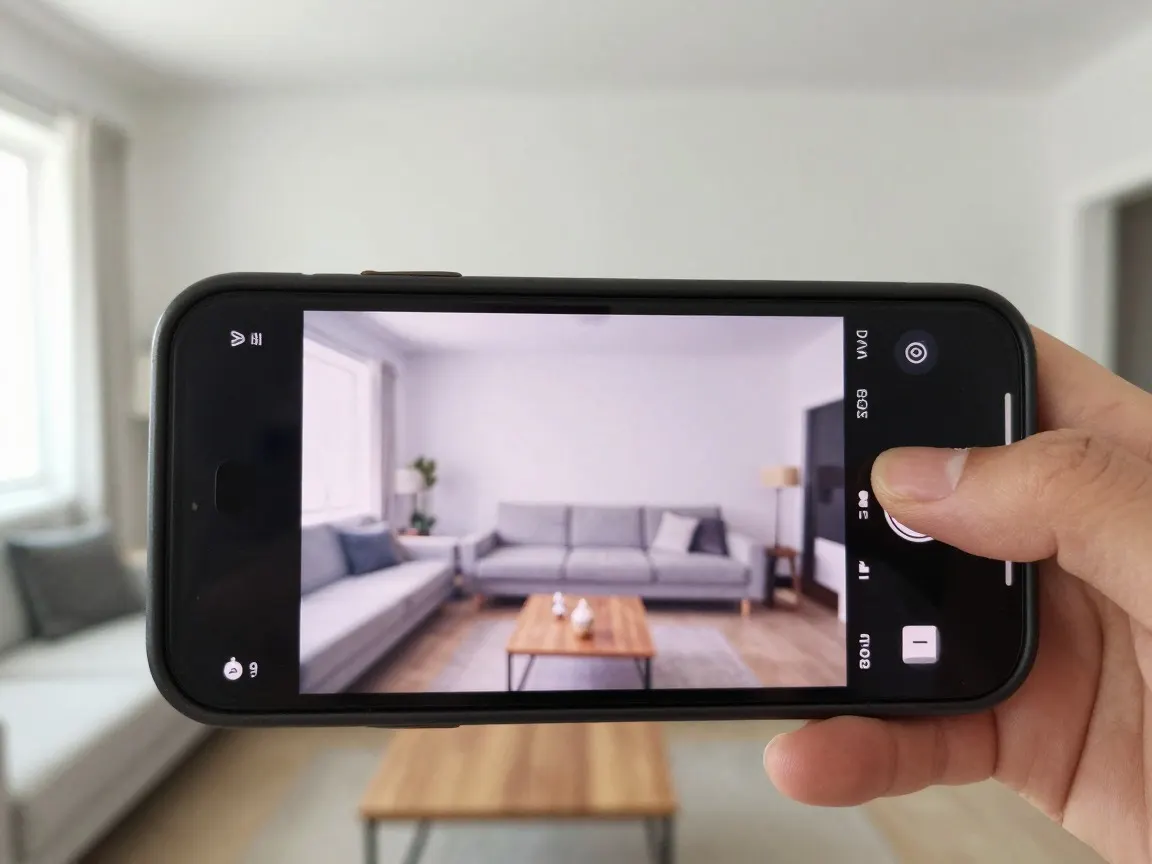
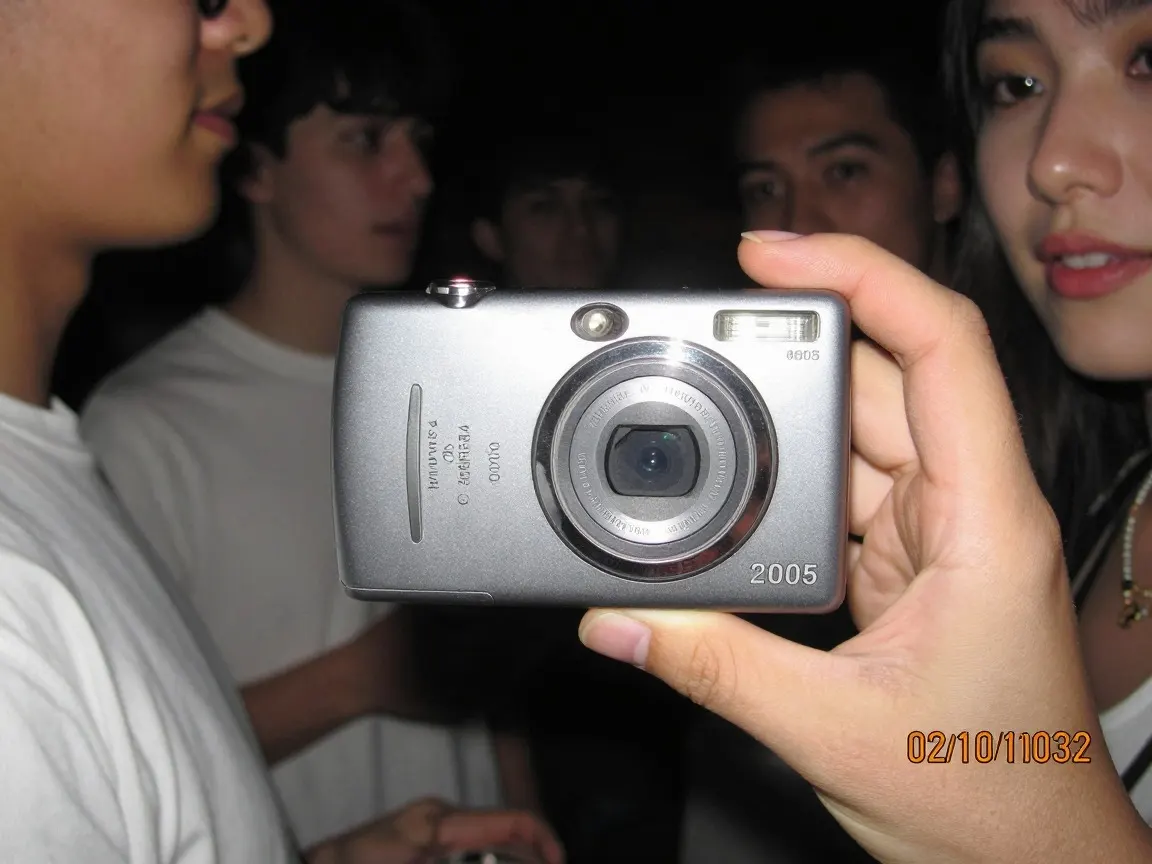
Three of the twelve came back as photographs of a device. Frames 07 and 09 asked for a "phone photo" and returned a hand holding a phone. Frame 10 asked for a "2005 compact digital camera photo" and returned somebody holding a silver compact.
The two prompts that used the word "digicam" instead, frames 11 and 12, produced no camera at all. That word only ever appears as a description of a look, while "phone" and "camera" are mostly nouns for objects that get photographed.
So the fix is a word swap. Write the condition and leave the hardware out: "on-camera flash, dead black background, date stamp" rather than "a phone photo". Frame 10 is the proof that it is only the noun causing the trouble, because everything else in that image is a period-accurate flash snapshot.
Run the one that worked
The blurred dog under a bare bulb, which is the only frame in the set that passes as a real bad photo without qualification.
Asking a generator for deliberately naive art, a child's crayon drawing or a scribbled Paint picture, instead of a polished image. In our twelve-prompt test on 2026-08-13 none of the six handmade prompts came back genuinely crude. The medium arrives, the clumsiness does not.
Why does AI make everything look polished?
Because almost nothing in the training data is labelled as badly made. Captions describe the medium and the subject, and the pictures that got captioned were mostly ones somebody chose to keep. Prompting for incompetence asks for a category that was never really labelled.
How do I get a genuine bad-photo look?
Name the optics, not the quality: on-camera flash, motion blur, tilted horizon, green white balance, a bare ceiling bulb. Three of our six photographic prompts passed as real bad photos on the first generation using exactly that wording.
Why did my prompt produce a picture of a phone?
Because "phone photo" contains a noun for a photogenic object. It happened in two of our twelve frames, and a third turned "compact digital camera photo" into a picture of a compact camera. Describe the lighting and the lens instead, or use the word digicam, which no one uses for the device.
Can I run these prompts free?
Yes. Every prompt on this page loads into the generator with one click, with no account, no watermark and no cap on how many you run. All twelve here were generated the same way, on our own hardware.