Why AI struggles with hands, and the one pose that still breaks it
We generated 36 hands in three poses and scored every digit. Two of the three poses came back clean.
Experimentmodel behaviour·FreeImgGen Team·Updated ·Tested on Z-Image Turbo
The short answer
AI hands are mostly fixed, and the part that is still broken is narrower than its reputation. In 36 images we generated on 2026-08-11, every hand on its own had five traceable digits, and so did every hand gripping an object. All the damage was in one condition: 6 of the 12 images of two hands touching each other had at least one digit we could not trace back to a hand.
MethodThirty-six images on Z-Image Turbo, 2026-08-11, from 36 different prompts: twelve of one hand alone, twelve of two hands touching, twelve of one hand gripping an object. One generation per prompt, nothing re-rolled. Twelve of the 36 are below, picked to show the typical result in each condition plus the three worst failures.
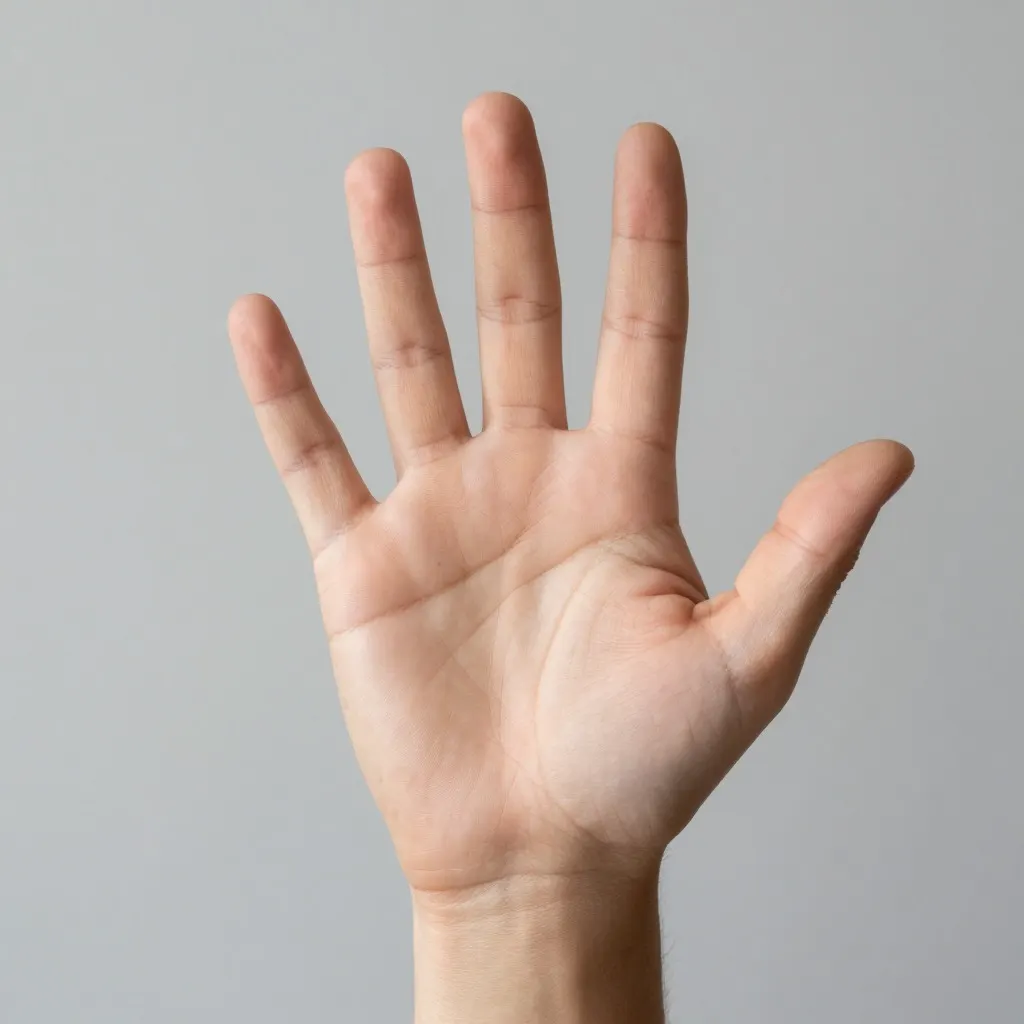
one hand · clean
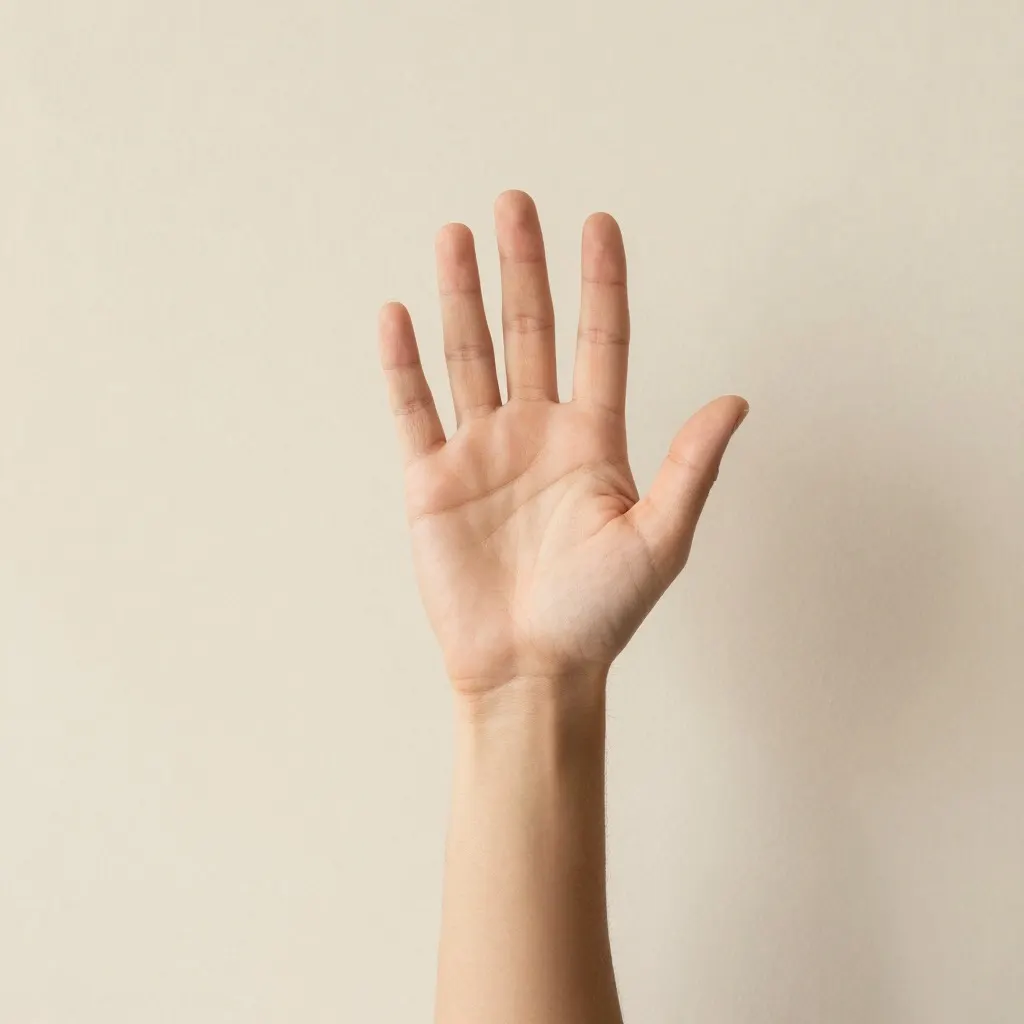
Five digits, every boundary traceable, correct joint count on each finger. This is what eleven of the other isolated hands looked like too.
Close-up photo of a single open hand held up, palm to camera, fingers spread, plain grey background
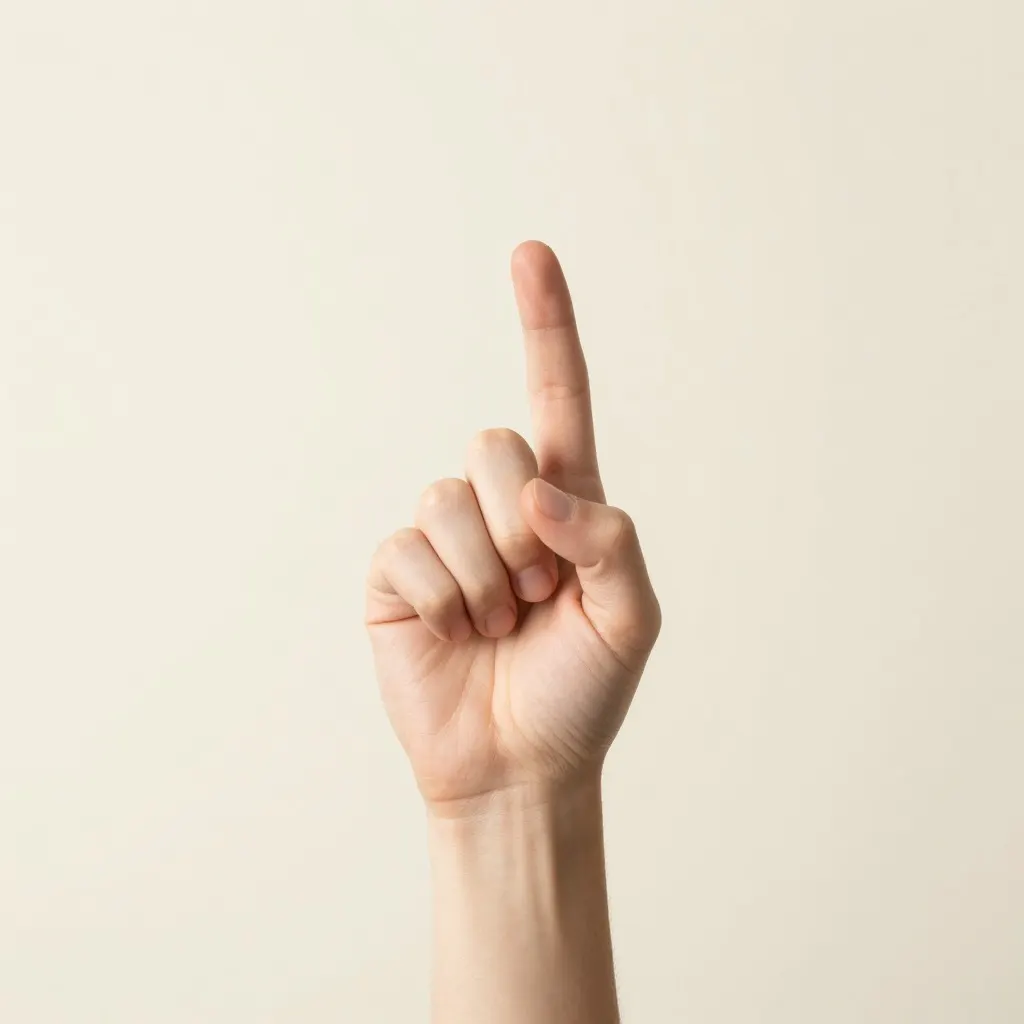
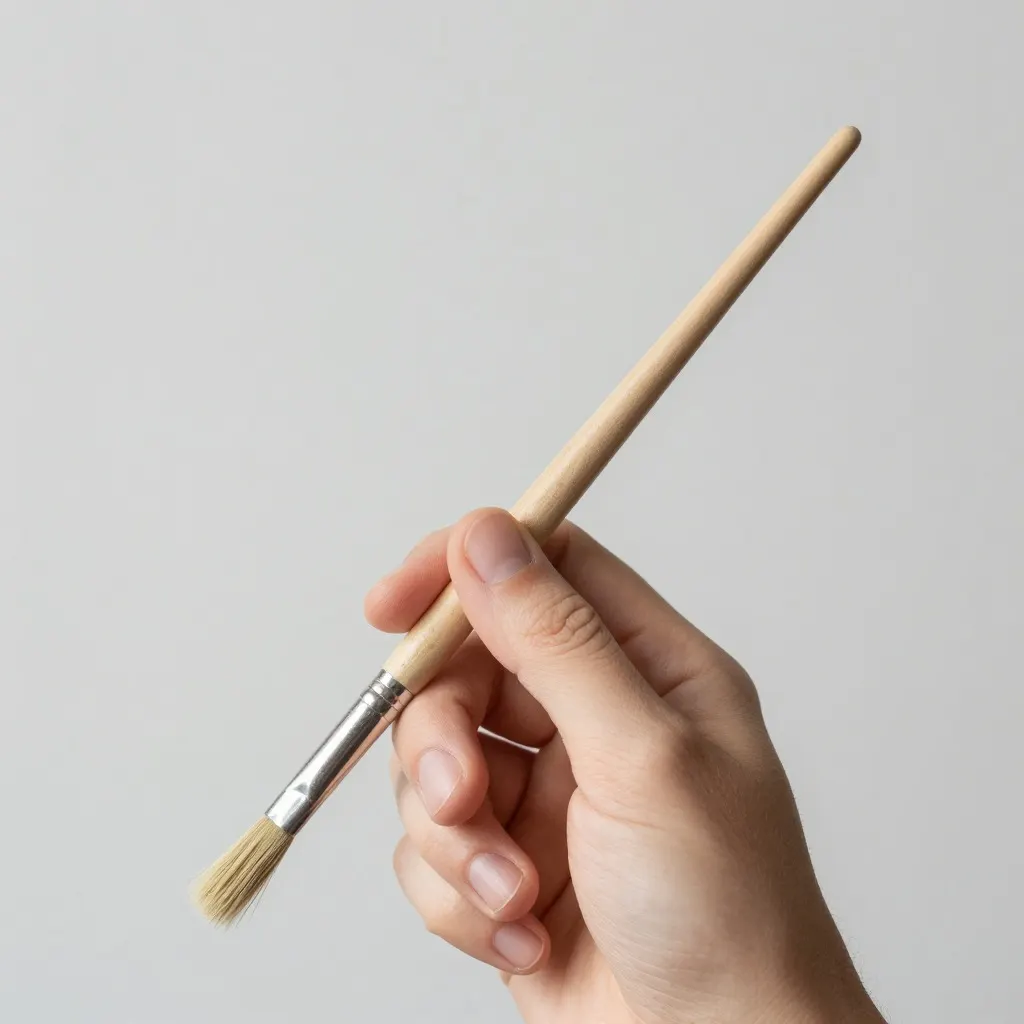
A fist with one finger extended used to be a reliable way to break these models, because most of the hand is folded and occluded. Here the knuckle row is correct.
Photo of one hand pointing upward, plain cream background
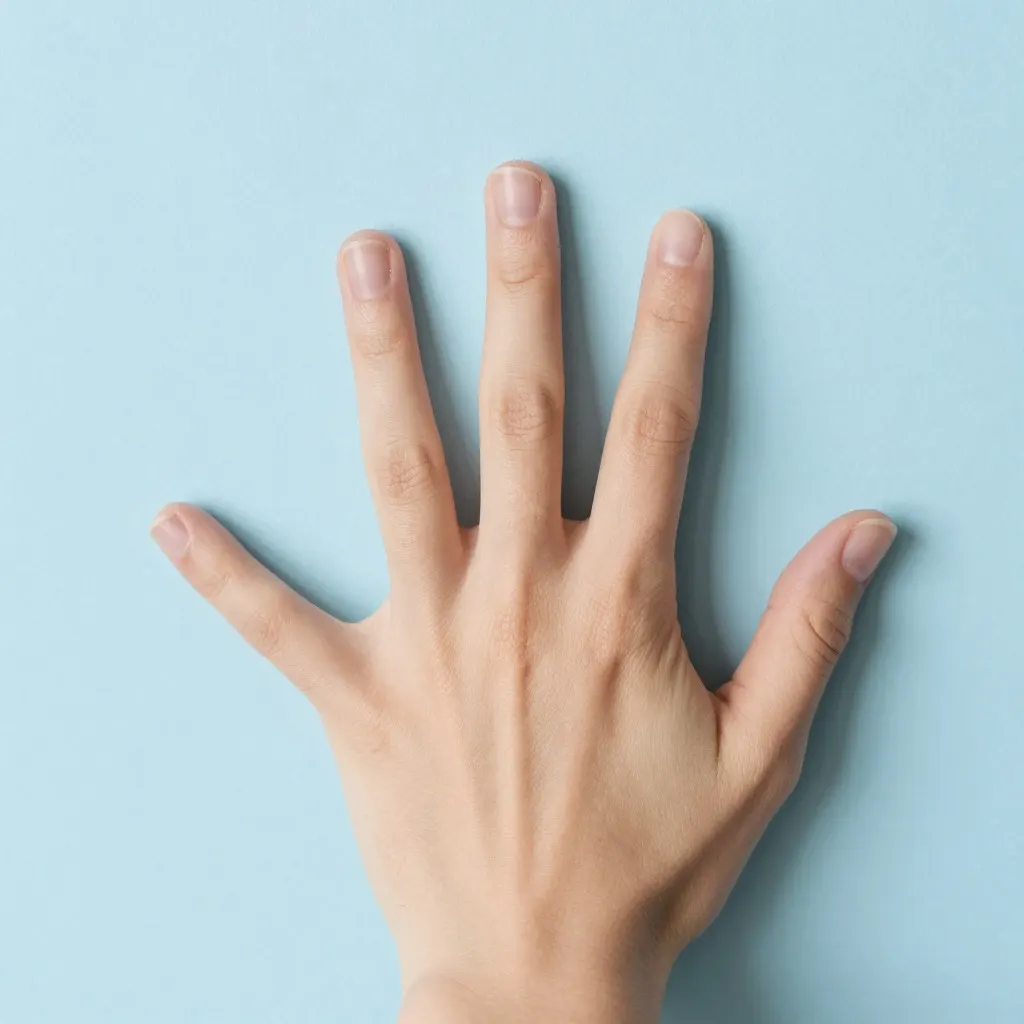
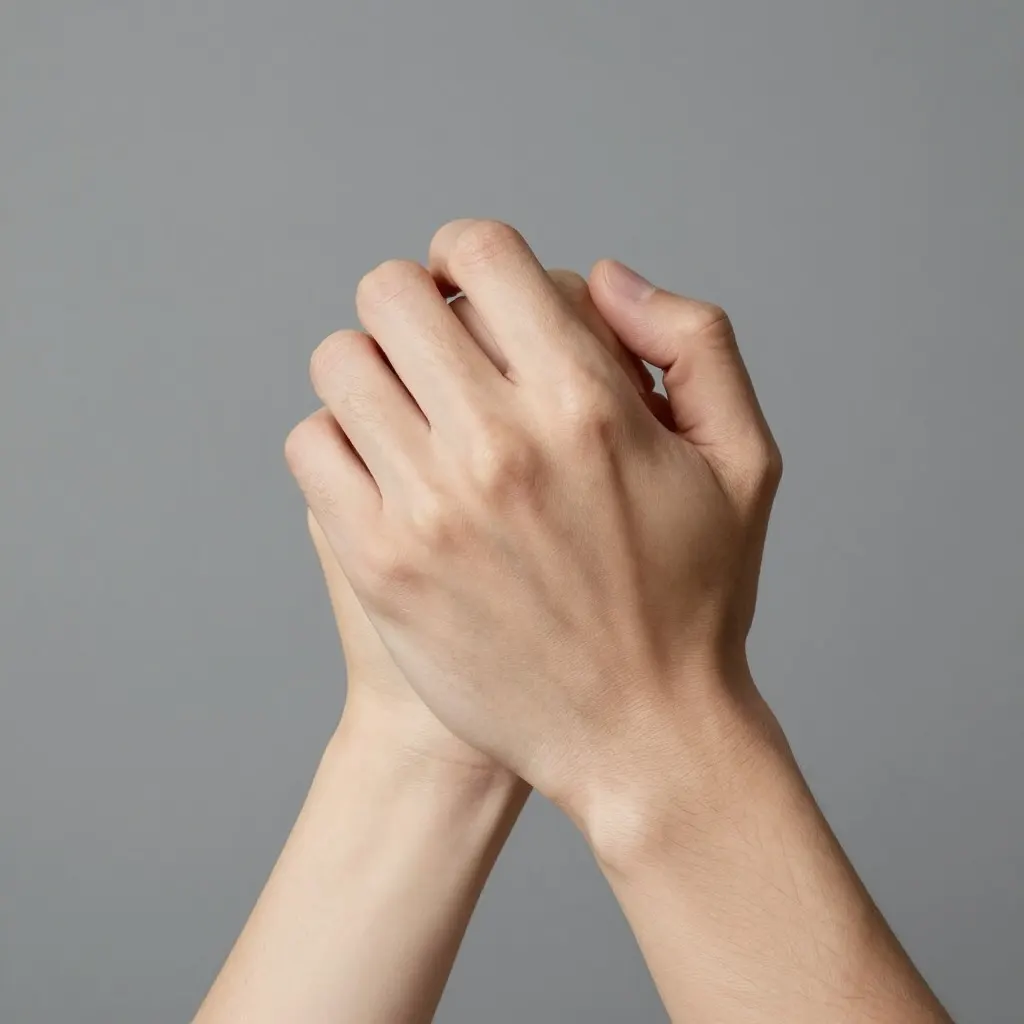
Follow any finger from the top of the frame down. Around the knuckles they stop belonging to either hand, and one digit near the top has no hand to come from.
Close-up photo of two hands clasped together, plain grey background
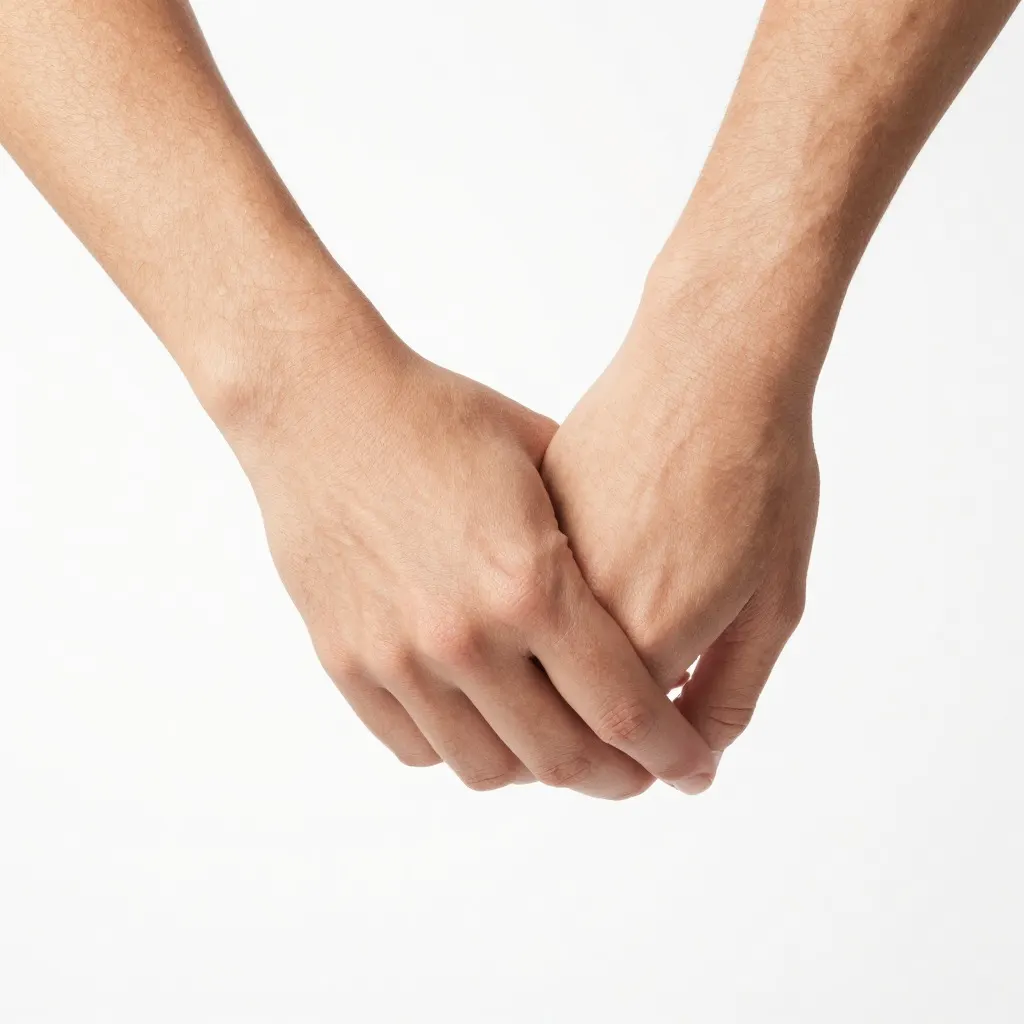
Two failures in one frame. The fingers are not interlaced, which was the instruction, and where the hands meet the digits collapse into a mass with a spare fingertip hanging off it.
Photo of two hands with fingers interlaced, plain white background
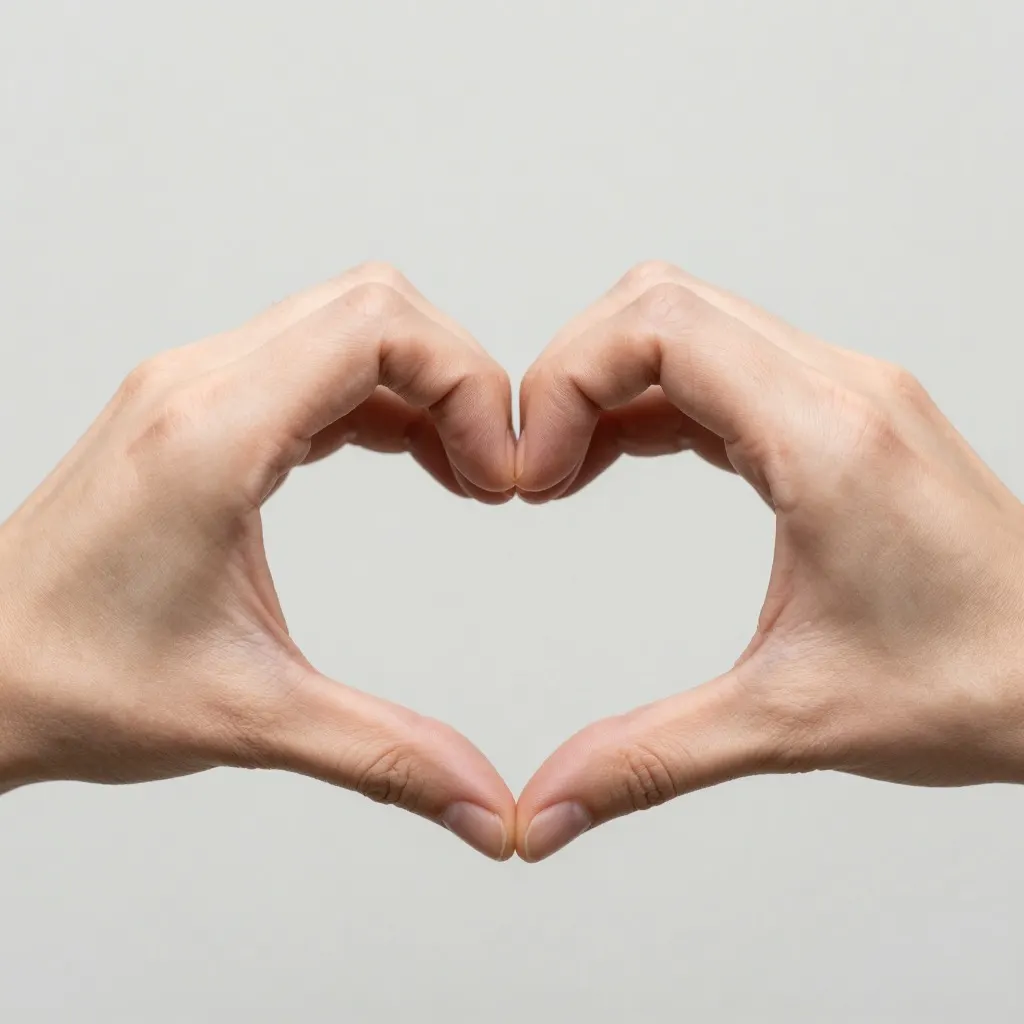
The heart reads at a glance. Then you look for the six fingers that should be folded down behind it and find two smooth blanks instead. The model drew the silhouette and skipped the hands.
Close-up of two hands forming a heart shape, plain background
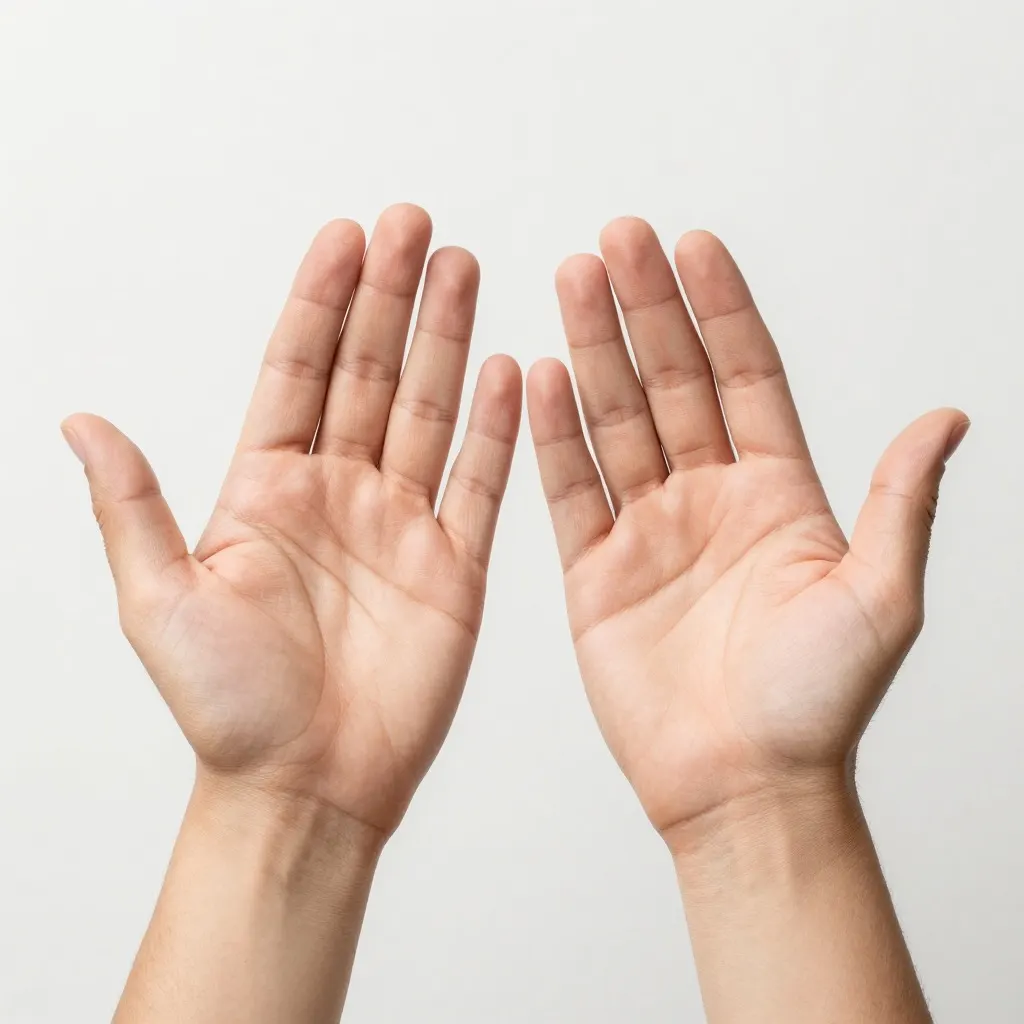
Six of the twelve two-hand images did come out clean, and they have something in common: the hands are next to each other rather than gripping each other.
Two hands held out side by side, palms up and touching, plain background
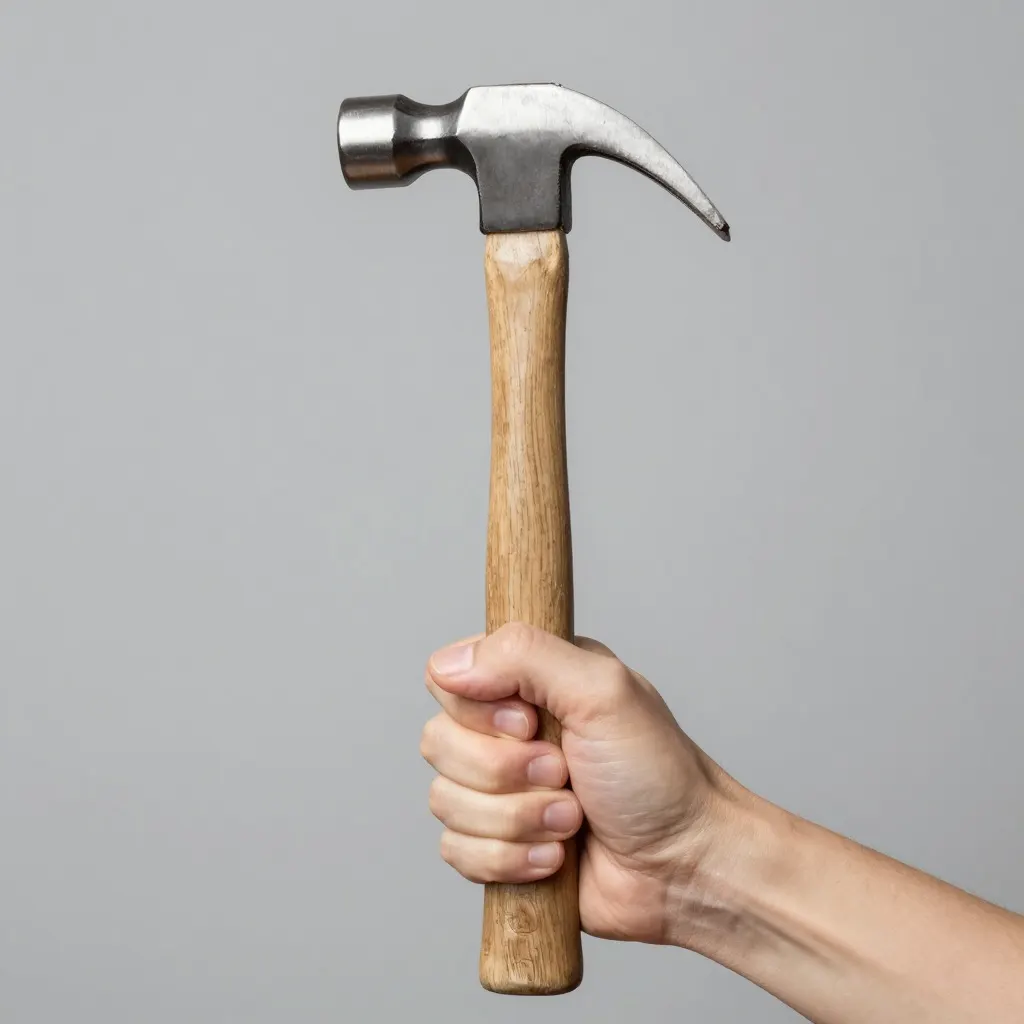
A closed grip with three fingers hidden behind the handle, and the two you can see are correct. Occlusion by an object turns out not to be the problem.
Photo of a hand gripping a hammer handle, plain background
We wrote 36 prompts, twelve per condition, and generated one image from each on Z-Image Turbo on 2026-08-11. Nothing was regenerated and nothing was thrown away.
The test each image had to pass: can every digit in the frame be traced back to a hand, and does each hand have five of them? A digit hidden behind an object or behind another finger is fine, because that is what photographs of hands look like. A digit that fades into another digit, or that has no hand to belong to, is a failure.
One person scored them by eye at 740 pixels. That is a judgement call rather than a measurement, so two of the six failures we counted are arguable, and we have said which ones below.
MethodTwelve prompts per condition, one generation each, Z-Image Turbo, 2026-08-11. Scored by eye at 740px by one person.
Condition
What was in the frame
Images
Clean
Broken
A
one hand, nothing touching it
12
12
0
B
two hands touching each other
12
6
6
C
one hand gripping an object
12
12
0
—
all three
36
30
6
The old explanation no longer fits
The standard account of this problem is that hands are small in training photos, appear in endless configurations, and are rarely the subject, so a model never learns them properly. The articles that say so are good, and they are also from 2023, written about models two generations back.
If that account were still the whole story, condition A would fail. A single hand with the fingers spread is the configuration most likely to expose a bad count, and it came back clean twelve times out of twelve. Condition C should fail harder still, because a closed grip hides most of the digits and the model has to infer them. It came back clean twelve times out of twelve.
What broke was the case where two hands have to agree with each other about which fingers belong to whom.
Why hand-on-hand is the hard case
A single hand is one object with a strong, repeated shape. The model has seen millions of them and can produce the whole thing as a unit.
Two hands touching is not one object. It is two of the same object, overlapping, where the boundary between them is the thing you have to get right, and where the correct answer depends on tracking which of ten similar cylinders continues behind which. Nothing in a diffusion model is doing that tracking. It is producing a texture that locally resembles fingers, and locally is exactly where this fails.
Frame B12 is the clearest version. Two hands making a heart is a silhouette the model knows very well, so it drew the silhouette, and the fingers that should be folded behind it never got drawn at all.
Ad
What to do if you need hands in a picture
Give the hand an object instead of another hand. That single substitution took our failure rate from 50% to zero across 24 images.
Keep hands apart in the frame. Two hands can both appear in one picture without touching, and six of our twelve two-hand images came back clean, all of them from prompts where the hands are near each other rather than interlocked.
Generate a batch rather than a better prompt. We could not find a phrasing that fixed a clasped-hands frame. What fixes it is running it again, and here that costs nothing.
Crop, as a last resort. If the hands are not the subject, framing them out is faster than fighting for them.
What this does not tell you
Twelve images per condition is a small sample and one scorer is one opinion. A 50% failure rate in condition B could reasonably be 35% or 65% with a bigger run, and the two arguable failures were B08, where the upper hand's fingers merge into the lower hand, and B09, where the crossing point is muddy rather than clearly wrong.
This also only tells you about one model. We ran Z-Image Turbo because it is the one we serve, not because it is representative. Whether Flux, Midjourney or Imagen fail in the same narrow place is a question we have not answered, and we would rather say so than guess.
Run the hard case yourself
This is the clasped-hands prompt that failed for us. It arrives in the box ready to run, and running it ten times costs nothing.
Because two hands touching each other are two copies of the same shape overlapping, and the model has to decide which of ten similar cylinders continues behind which. Nothing in a diffusion model tracks that. A single hand is one familiar shape it can produce as a unit, which is why all 12 of our single-hand images came out correct and half of the two-hand ones did not.
Can AI draw hands properly in 2026?
A single hand, yes. In our 12 images of one hand on its own, all 12 had five traceable digits with correct joints. A hand holding an object, also yes: 12 out of 12. Two hands touching each other is where it still falls apart, at 6 out of 12 in our run on 2026-08-11.
Why do AI hands have extra fingers?
Less than they used to. When it happens now it is concentrated where two hands overlap, because the model has to decide which of ten similar shapes continues behind which, and it has no representation of that. On an isolated hand the shape is common enough in training data that the model produces it as one unit and gets the count right.
How do I get better hands from an AI image generator?
Give the hand something to hold rather than another hand, keep two hands from touching, and generate several rather than rewriting the prompt. In our runs no phrasing fixed a clasped-hands image, and re-running did. On this site generating again is free and uncapped, so a batch costs nothing.
Does this apply to Midjourney and other generators?
We do not know. This test was 36 images on Z-Image Turbo, the model we run, and the finding is about that model on 2026-08-11. The underlying reason, that overlapping instances of the same object are harder than one instance, is not specific to any one model, but we have not measured the others and will not claim we have.
What was the exact test?
Thirty-six prompts, twelve per condition, one generation each, nothing re-rolled. Each image was scored on whether every digit could be traced back to a hand and whether each hand had five. Occlusion behind an object counted as fine. Scoring was by eye at 740 pixels by one person, so treat the counts as a careful reading rather than a measurement.