Twelve action figure prompts, and what the packaging line actually buys
The toyification trend run through twelve prompts on our own hardware, with an A/B on the blister-pack clause everyone pastes and a warning about what the model reaches for when you do not name a brand.
Prompt setprompting·FreeImgGen Team·Updated ·Tested on Z-Image Turbo
The short answer
Asking for an action figure already gets you a toy. The blister-pack clause everyone copies buys the retail context around it: the peg hook, the printed backer card, the price rail underneath. We ran twelve figure prompts on 2026-08-13 and the format word did most of the work in all of them. The thing to watch is that the model reaches for recognisable branded toy designs without being asked, which matters if you plan to sell what comes out.
MethodTwelve prompts, one generation each, Z-Image Turbo through freeimggen.com, 2026-08-13, nothing re-rolled. Model time was 5.9 to 6.8 seconds per image; the longer wall clock times were our own anonymous queue throttling a long batch.
blister pack
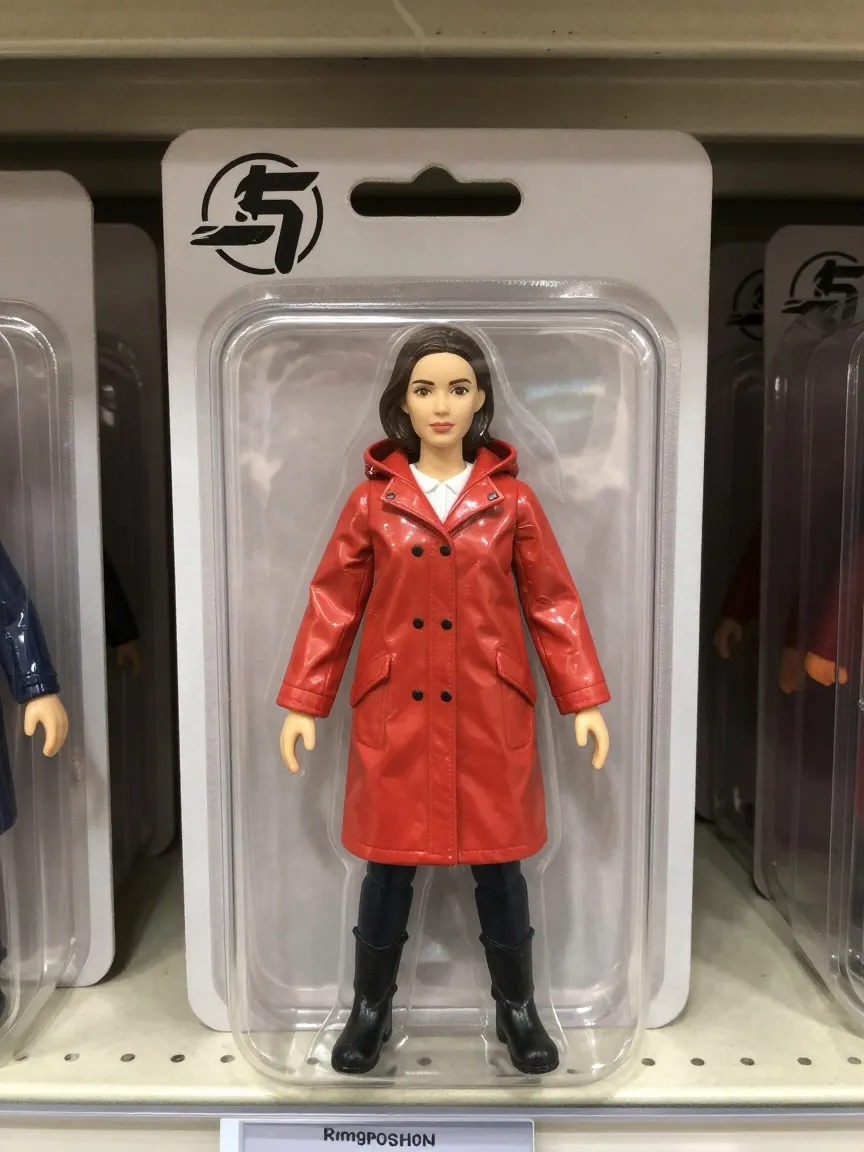
Sealed blister, printed backer, neighbours on the rail. The shelf label under it reads RimgPOSH0N, so the figure is real and every letter in the shot is invented.
A boxed action figure of a woman in a red raincoat, sealed in a plastic blister on a printed cardboard backer card, shop shelf lighting
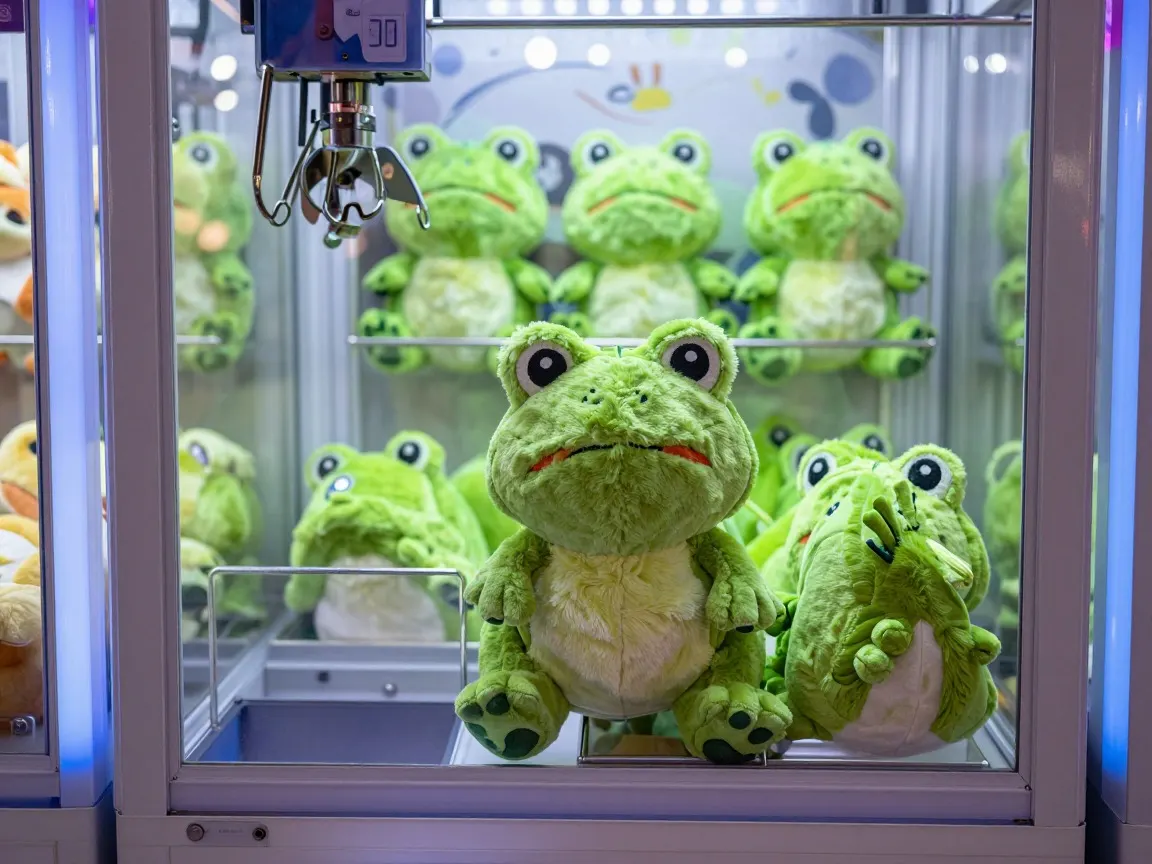
Everything we asked for, including the one plush against the glass. A cabinet full of identical soft toys has no faces, no hands and no small type in it, which is why it holds up.
A claw machine full of plush frog toys behind glass, arcade lighting, one plush pressed against the front
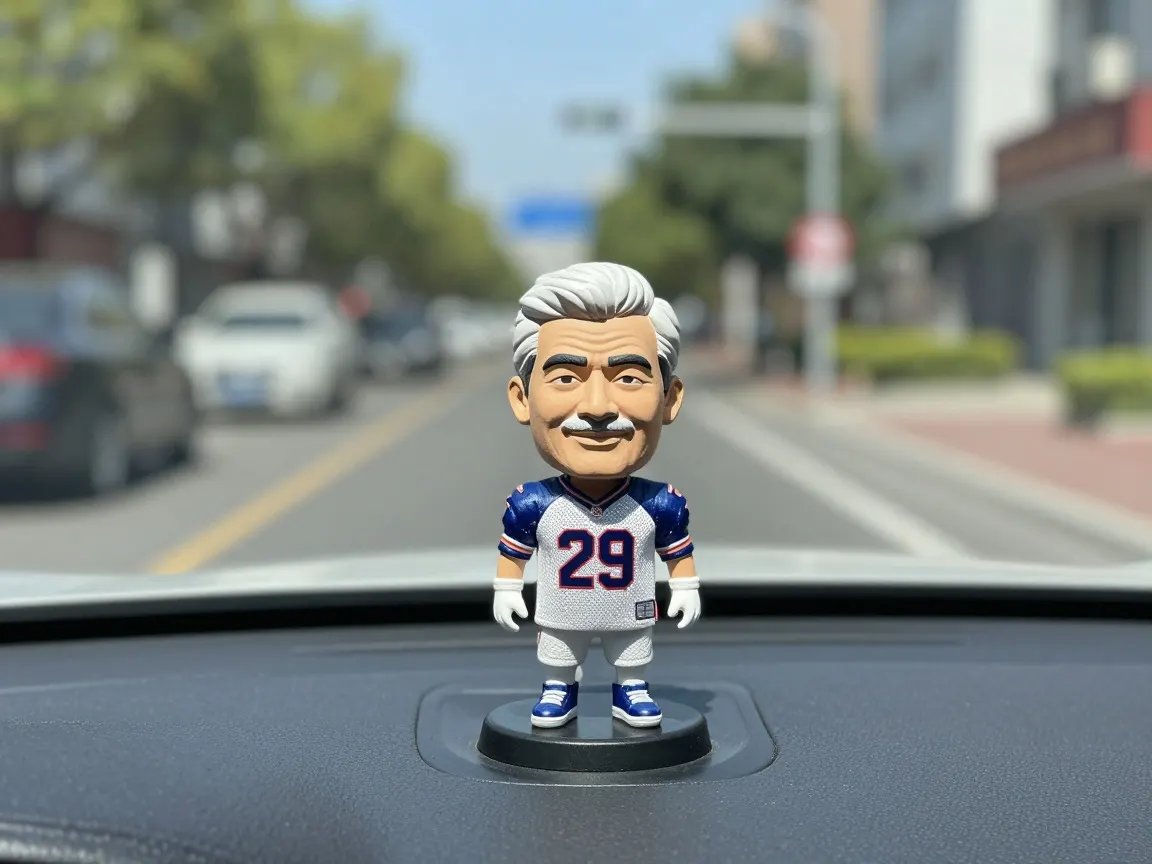
The head is barely oversized, which is the one thing a bobblehead has to get right. The jersey badge is invented and sits exactly where a league mark would.
A bobblehead figure of an older man in a football jersey on a car dashboard, sunny street through the windscreen
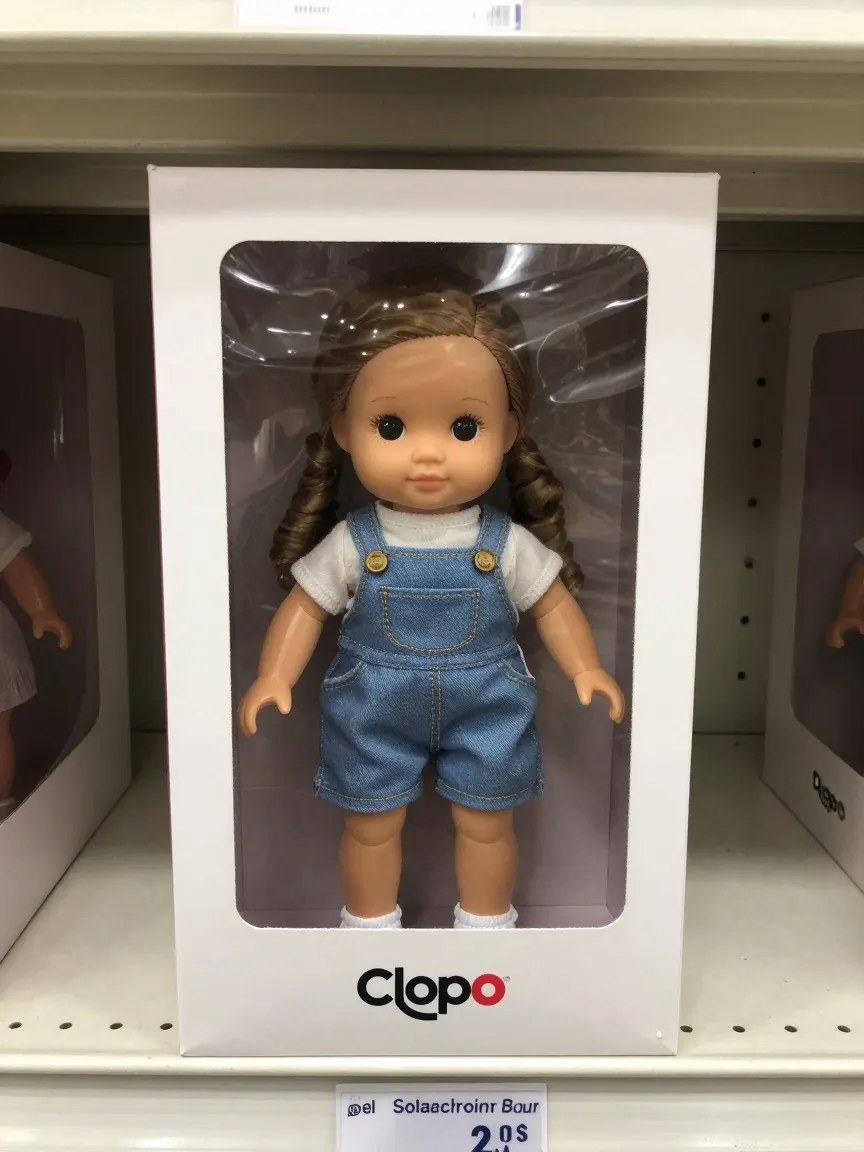
The invented brand on the box, Clopo, is legible. The price tag on the rail below is not, which is [the size boundary](/blog/qwen-image-3-has-no-open-weights/) showing up inside one frame.
A doll in a cardboard window box with a cellophane front and a printed logo panel, toy aisle shelf behind
The clause doing the rounds on TikTok is some version of "in a plastic blister on a printed cardboard backer card". People paste it because the results look retail, and it is worth knowing what it changes and what it does not.
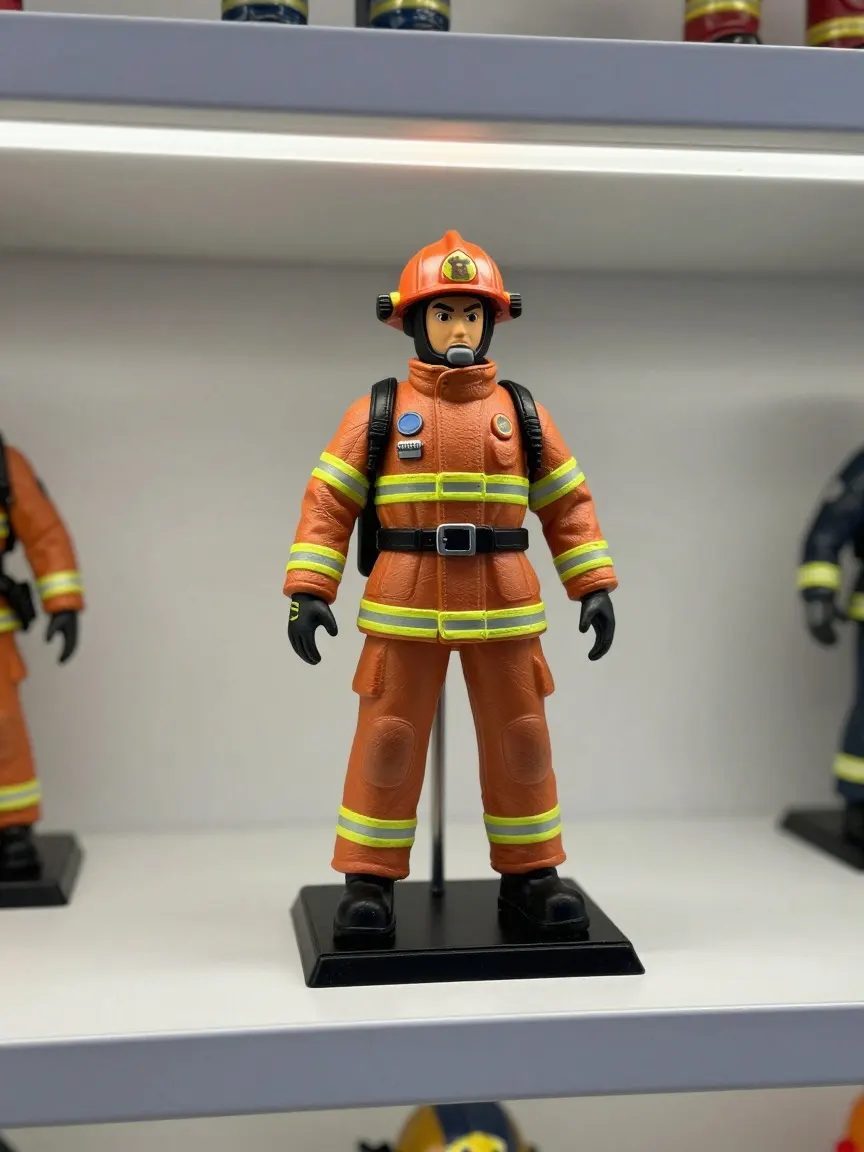
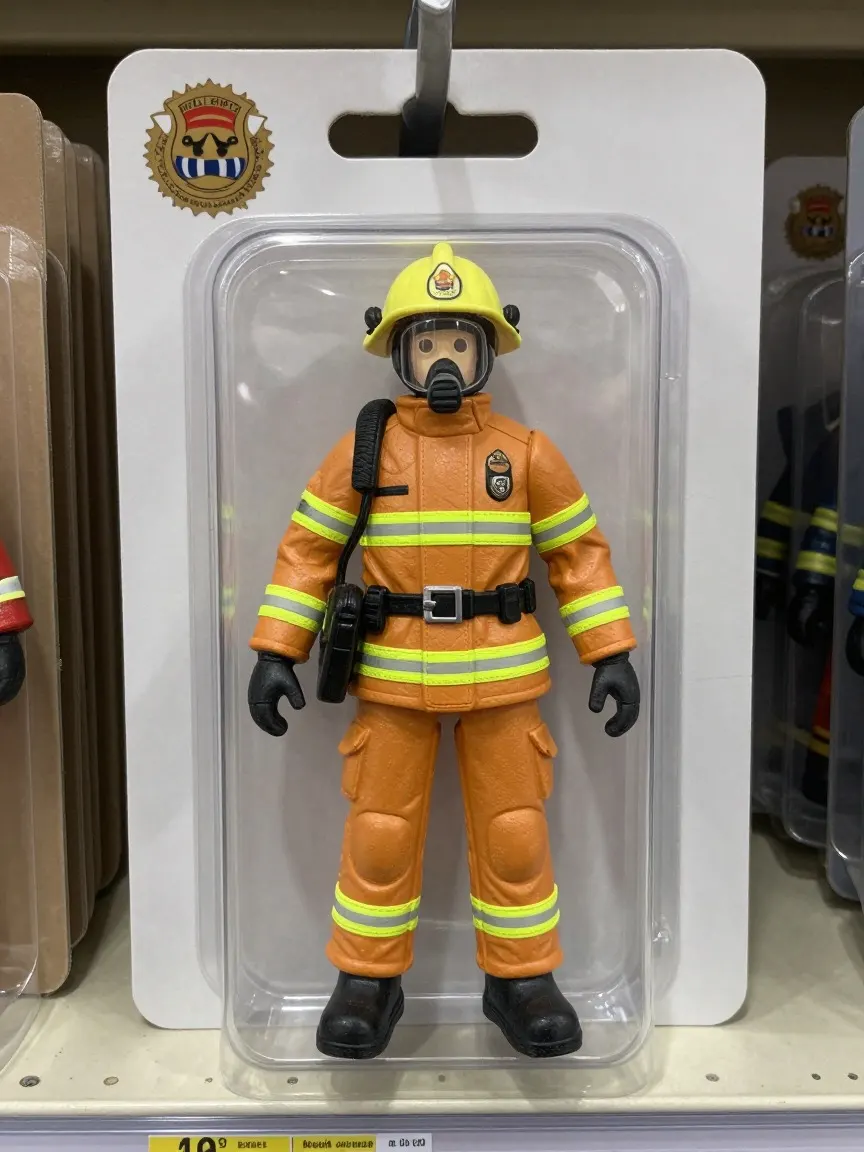
We ran the same firefighter twice, with and without it. Both came back as a toy. The word that did that was "action figure", not the packaging.
What the packaging clause added was everything around the toy: the peg hook, the punched hang tab, the printed card, the products either side, the price rail. It buys context, not plastic. Drop it and you get the same figure on a display stand.
MethodOne prompt run twice, identical except for the packaging clause, Z-Image Turbo, 2026-08-13, one generation each, neither re-rolled.
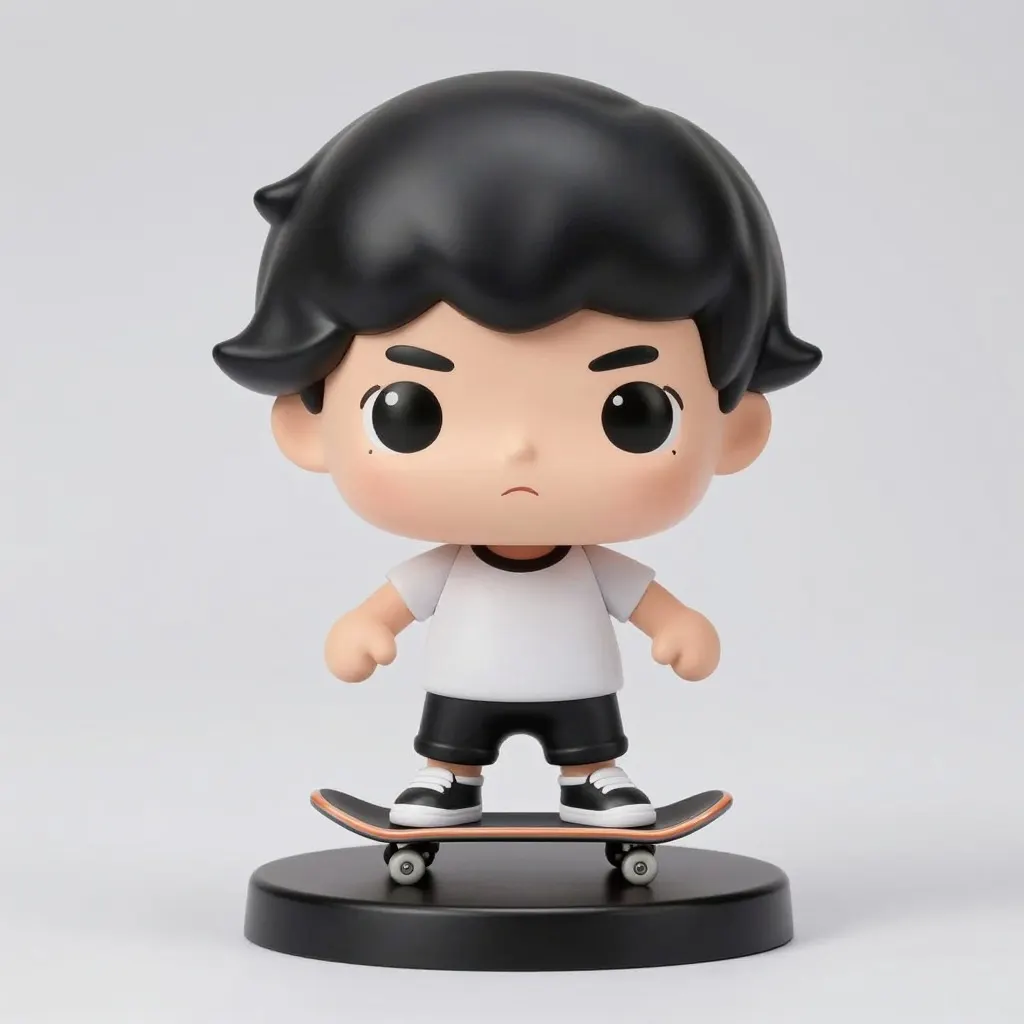
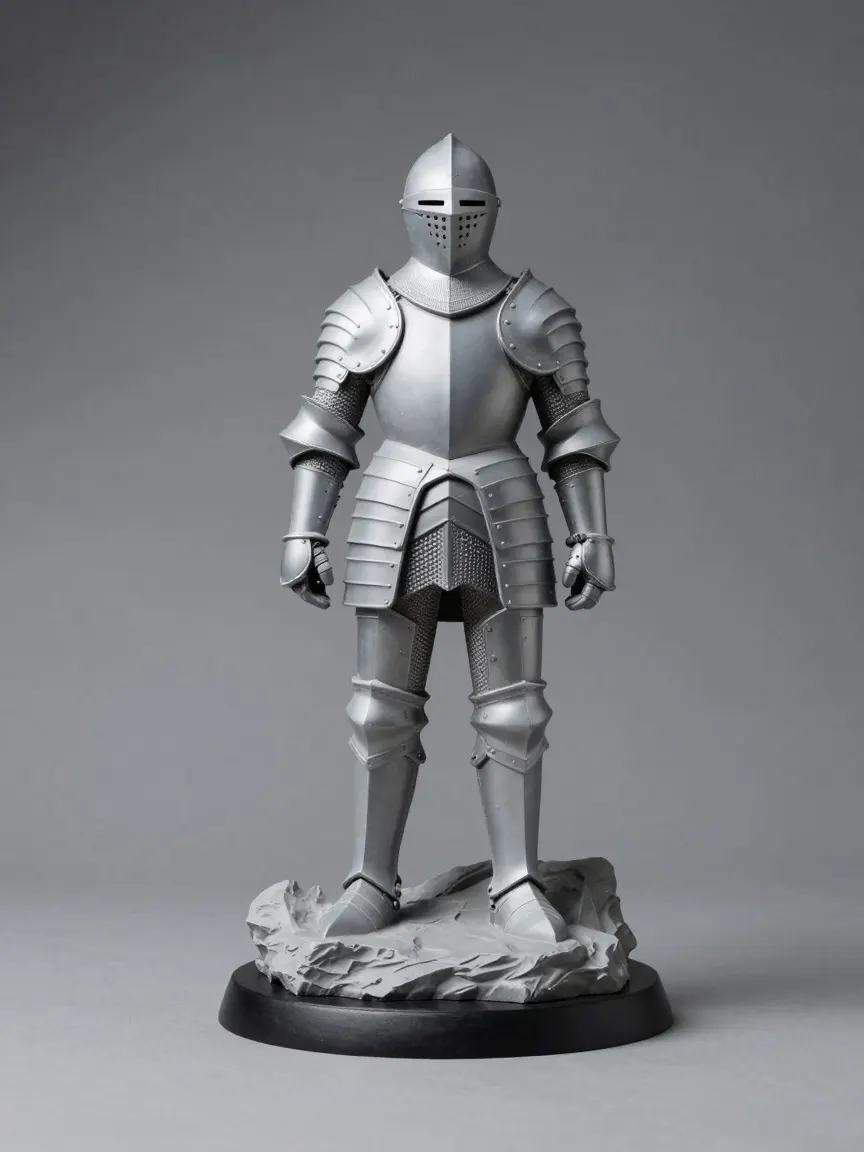
Every frame above starts with a toy format the model has seen labelled thousands of times: blister pack, chibi vinyl, resin statue, capsule toy, bobblehead, claw machine, garage kit, window box, acrylic charm. Each of those is one or two words and each produces a different object.
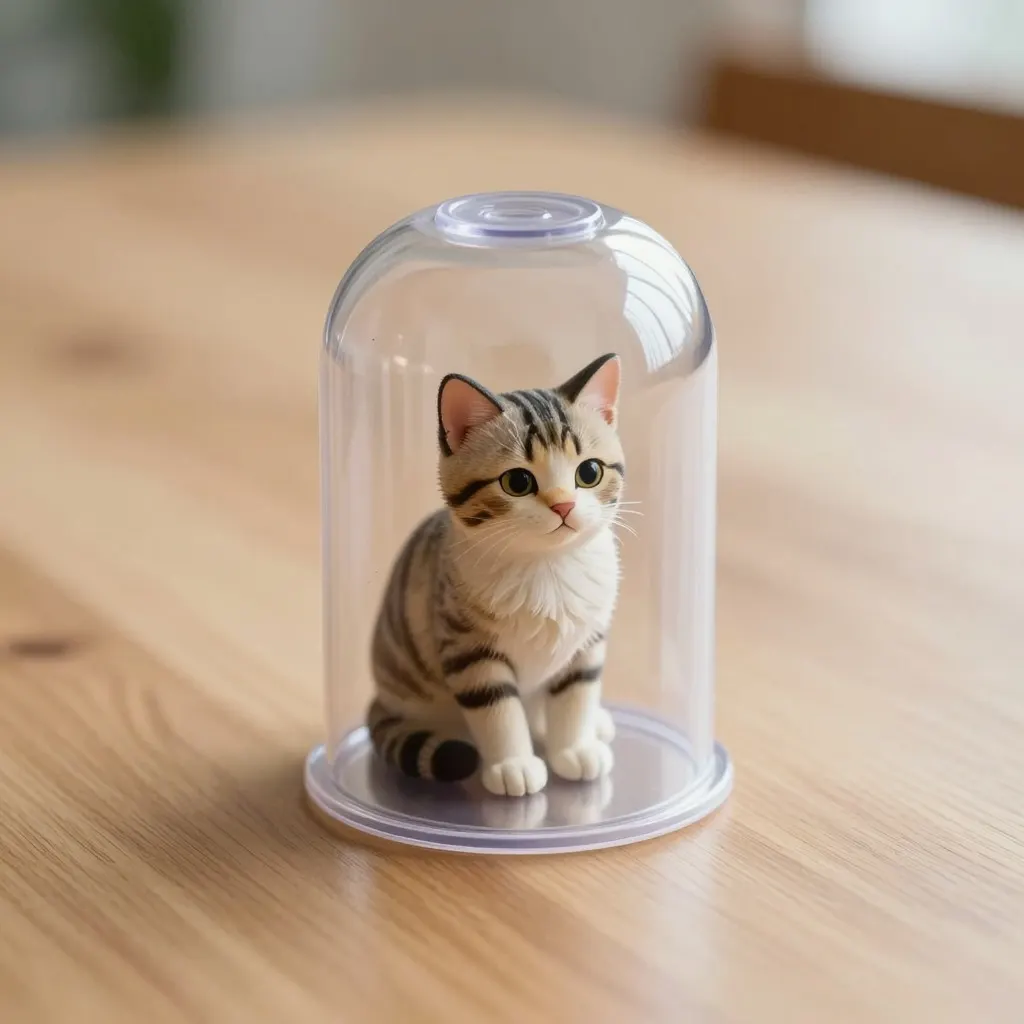
Scale words do much less. "28mm" and "tiny" moved almost nothing, and the capsule frame came back as a display dome holding a miniature cat because "capsule" is a container the model knows and "capsule-machine toy" is not a category it has a strong idea of.
So the shape of a working prompt is format first, subject second, setting third. Swap the subject and the format carries over, which is the cheapest way to get a set that looks like it came from the same product line.
Ad
The trademark problem nobody mentions
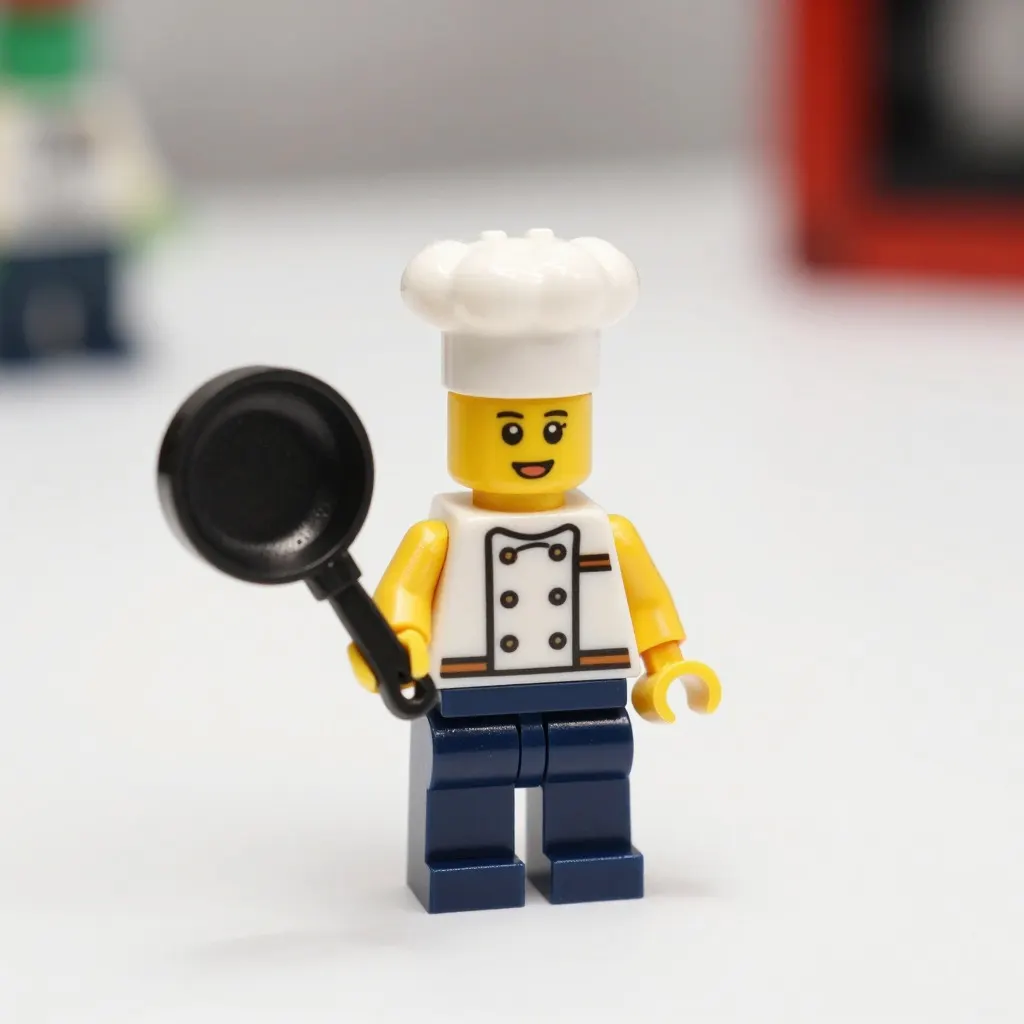
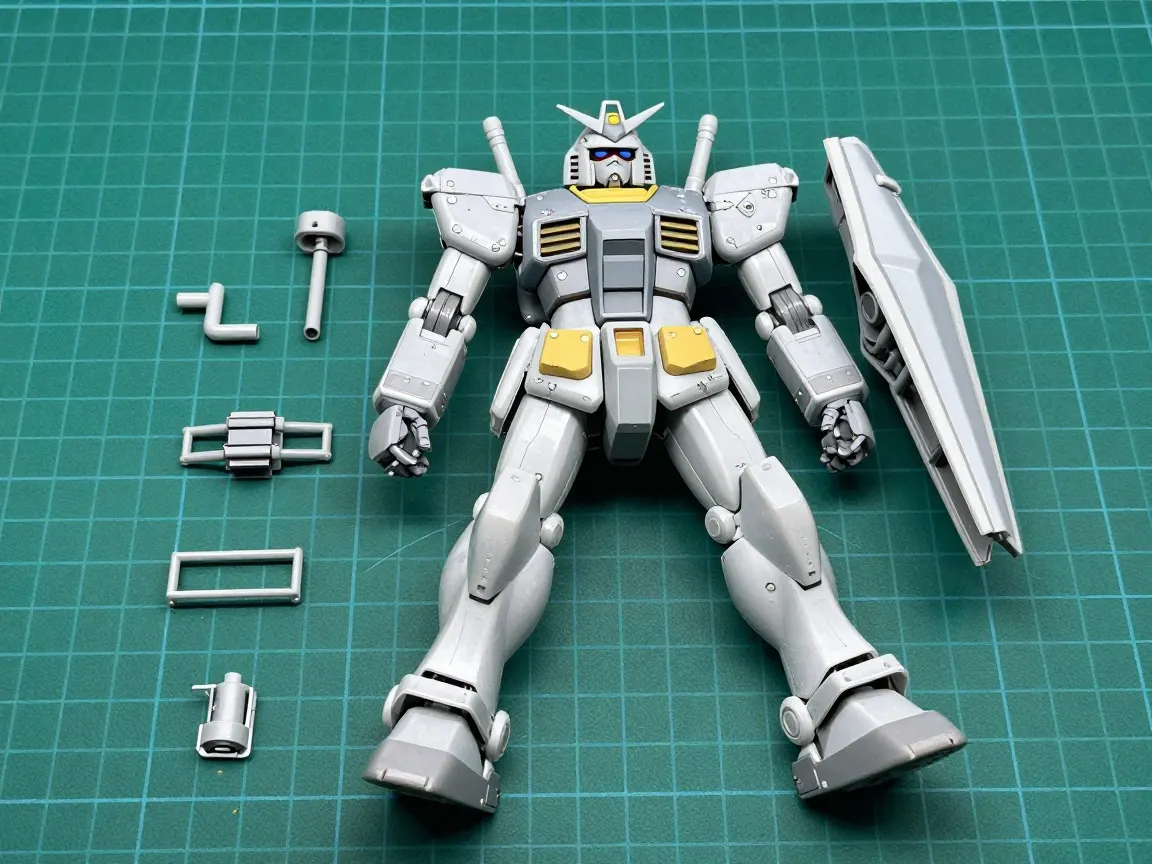
Two of the twelve came back as somebody else's intellectual property without being asked. The brick minifigure has the yellow head, the C-clip hands and the proportions of a minifig you can buy. The sprue kit is a white and blue mech that anyone who has built one will name on sight.
We never wrote a brand. The model reached for the most common instance of the category, and for toys the most common instance is usually trademarked. The invented logos are the flip side of the same behaviour: the shop shelves in these frames are covered in marks that look like brands and are not.
If these are for your own feed, this is a curiosity. If you intend to sell prints, stickers or listings, it is the part that gets a listing pulled, and it sits on top of the ordinary questions about selling generated images. Look at what came back before you list it, and describe the toy in your own words rather than accepting the default.
What this will not do
It will not make a figure of you. A text prompt has no idea what you look like, and we hold that line on purpose: no likenesses of real people. If you want your own face in the packaging, that is an edit on a photo you upload rather than a prompt, and the thing that survives an edit is exactly the face.
It will not give you anything printable. What comes out is a raster image at 1024x1024 or 1152x864, not a mesh, so a 3D print needs a modeller and a real file.
It will not put your own text on the box. Every legible word in these frames is one the model invented, and the small ones are not words at all. Generate the packaging blank and set the type yourself.
Swap the subject, keep the packaging
The firefighter prompt from the A/B above. Change the person and the retail context carries over unchanged.
Format first, subject second, setting third: "A boxed action figure of [subject], sealed in a plastic blister on a printed cardboard backer card, shop shelf lighting". The words "action figure" produce the toy; the blister clause produces the retail packaging around it.
How do I get the blister pack look?
Add "sealed in a plastic blister on a printed cardboard backer card". In our A/B on 2026-08-13 that clause added the peg hook, the hang tab, the printed card and the price rail. Without it the same prompt returned the figure on a plain display stand.
Can I make an action figure of myself?
Not from a text prompt, which has no idea what you look like, and we do not generate likenesses of real people. The route that works is uploading your own photo to an image editor and asking for the toy treatment, since an edit keeps the face it started with.
Can I sell these images?
The images are yours to use, with no watermark and no licence retained by us. The catch is what is in them: two of our twelve returned recognisable branded toy designs we never asked for, and that is a trademark question rather than a copyright one.
Do I need an account to run these prompts?
No. Click any prompt on this page and it loads into the generator ready to run, with no sign-up, no watermark and no credit counter. Generation is uncapped, so pulling ten versions of the same figure costs nothing.