Qwen-Image-3.0 has no open weights, so we tested the ones that do
We queried both model hubs on 2026-08-13, then ran six prompts aimed at the dense-text work 3.0 is known for through the open model we host.
Model filemodels·FreeImgGen Team·Updated ·Tested on Z-Image Turbo
The short answer
No. On 2026-08-13 there is no Qwen-Image-3.0 repository on Hugging Face or on ModelScope: no weights, no model card, no technical report, and access runs through Alibaba's API. What stayed open is the older line, Qwen-Image plus the December point releases, and Z-Image Turbo, which is the model running on this site. Those open models put short text at large size on an image reliably and fall apart on the dense layouts 3.0 is praised for.
MethodSix prompts aimed at what Qwen-Image-3.0 advertises: dense text, a multi-panel grid, small print, a non-Latin script, a labelled diagram. One generation each on Z-Image Turbo through freeimggen.com, 2026-08-13, nothing re-rolled.
a page of dense text
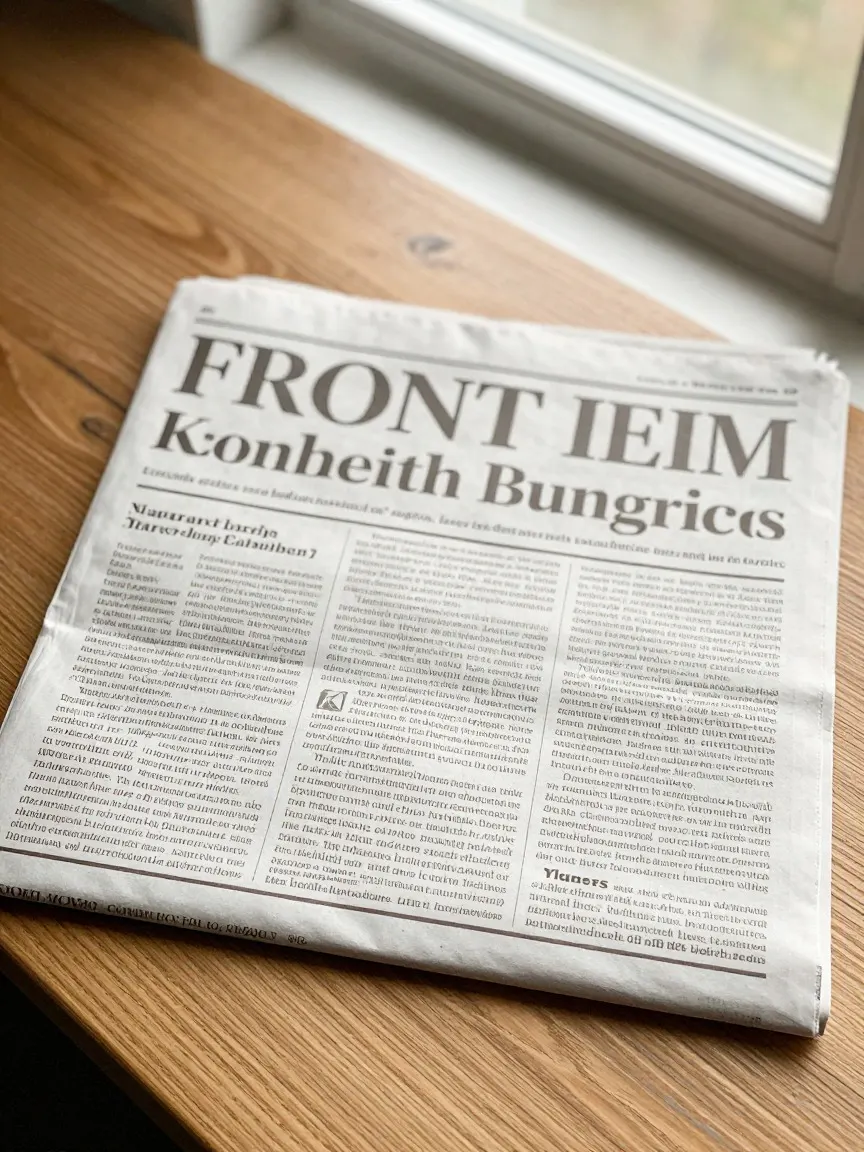
The headline reads FRONT IEIM over Konheith Bungrics. The three columns underneath have the rhythm and greyness of type without containing a single word.
Front page of a printed broadsheet newspaper lying on a wooden table, large headline across the top and three columns of body text below, morning window light
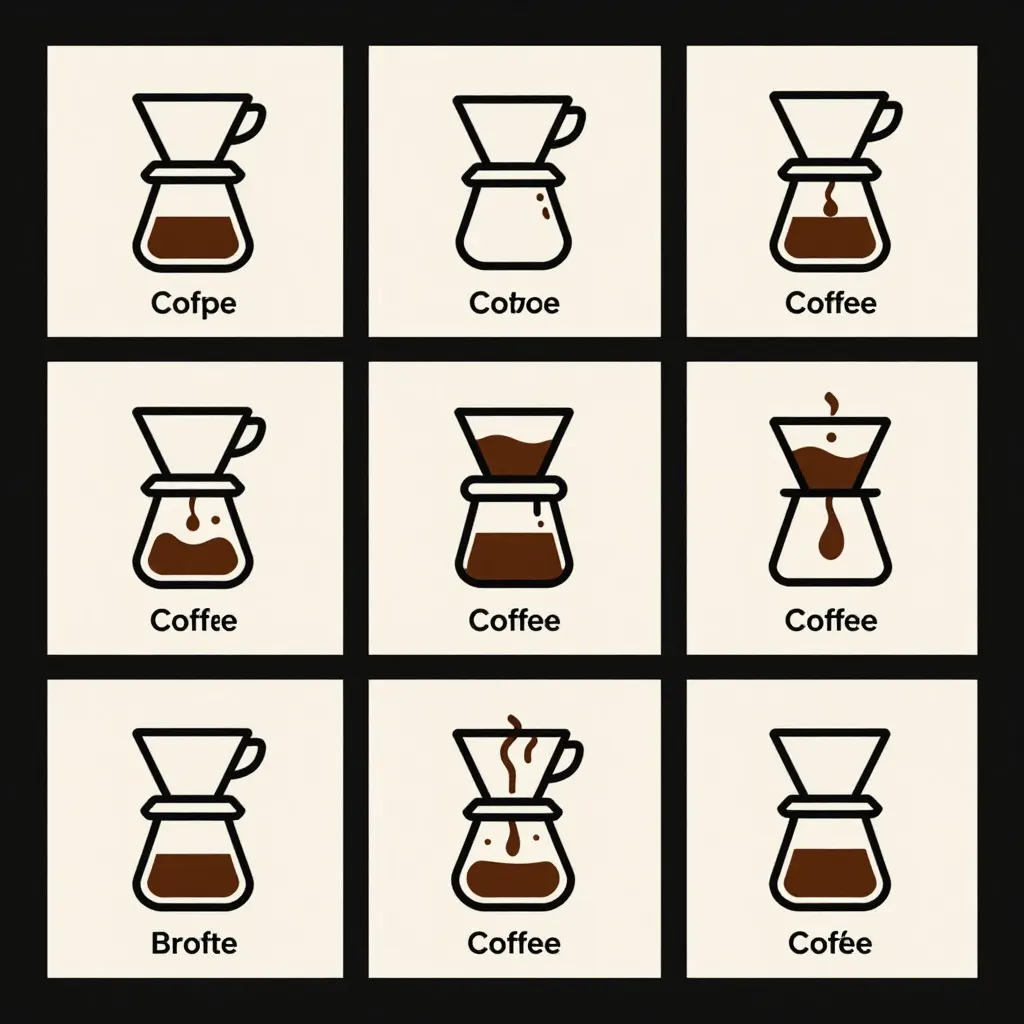
The layout is right: nine cells, nine captions in the right places. Five of the nine spell Coffee. The rest read Cofpe, Cotloe, Brofte and Cofee with an accent, and all nine icons are the same dripper.
A 3x3 grid infographic poster about coffee brewing, each cell holding one simple icon and a short caption underneath, flat colours
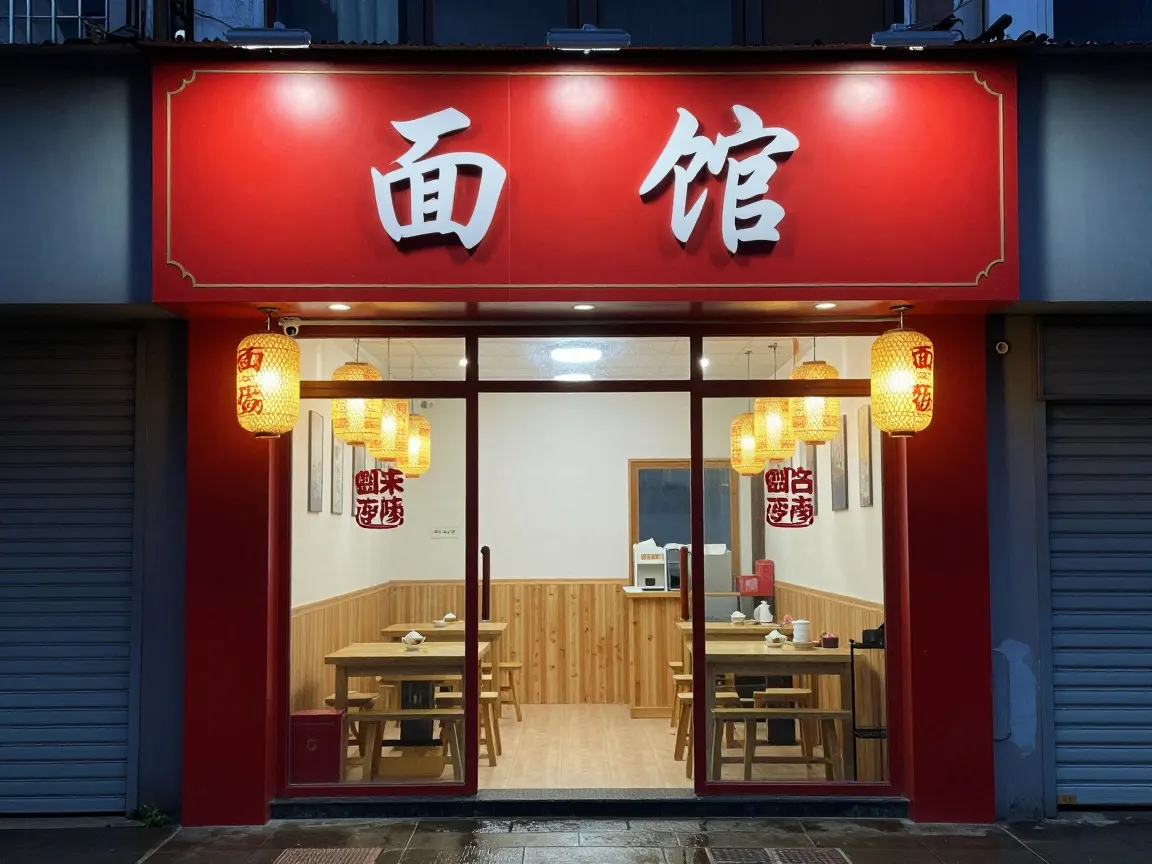
The two characters on the board are correct and correctly proportioned. The small red placards inside the window are not characters at all: right stroke density, no word.
A small noodle shop at night with a red Chinese shop sign above the door reading 面馆, warm lanterns, wet street
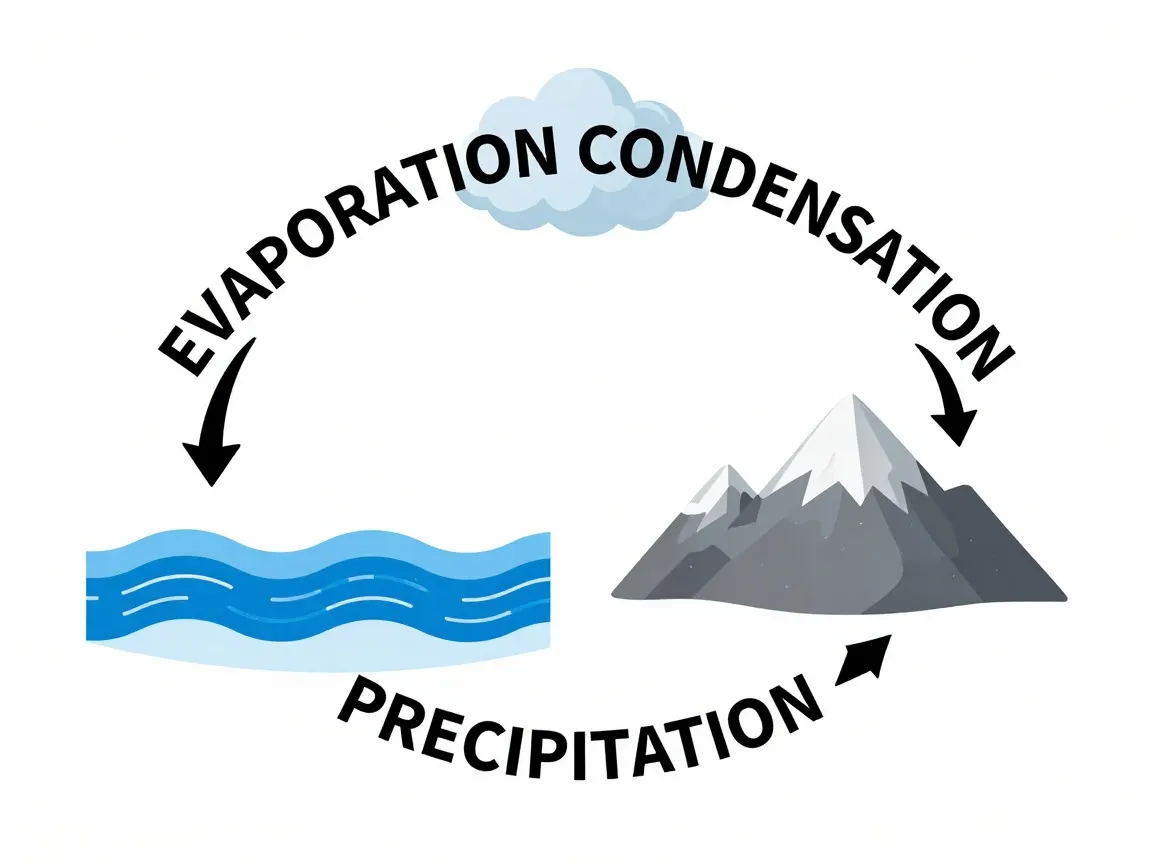
All three labels spelled correctly, 33 letters. The diagram is still wrong: the evaporation arrow points down into the sea and the precipitation arrow points up at the mountain.
A labelled diagram of the water cycle on white background, arrows between sea, cloud and mountain, labels EVAPORATION CONDENSATION PRECIPITATION
Alibaba announced Qwen-Image-3.0 on 2026-07-21. The pitch was a 4,500-token prompt window, twelve languages, and text that stays readable down to roughly ten pixels, which is the difference between a model that decorates a layout and one that can set it. The release carried no benchmark table, no model card and no technical report, and access was invite-only through the API.
That leaves one question you can settle with a query instead of an opinion: is there anything to download? We asked both hubs on 2026-08-13, then listed the two organisations in full so a wrong guess at a repo name could not fake the answer.
MethodEvery repository below queried through the Hugging Face API and the ModelScope API on 2026-08-13, plus the full model listings for the Qwen and Tongyi-MAI organisations. Hugging Face answers 401 for a repo that is missing or gated; ModelScope answers record not found. Dates are when the repo was created on Hugging Face, and downloads are the trailing 30 days as it reports them.
Model
Repo
Weights on 2026-08-13
Licence
Downloads
Qwen-Image-3.0
Qwen/Qwen-Image-3.0
Neither hub has it
None published
—
Qwen-Image
Qwen/Qwen-Image
Yes, since 2025-08-02
Apache-2.0
189,687
Qwen-Image-2512
Qwen/Qwen-Image-2512
Yes, since 2025-12-30
Apache-2.0
77,756
Qwen-Image-Edit-2511
Qwen/Qwen-Image-Edit-2511
Yes, since 2025-12-17
Apache-2.0
185,253
Qwen3.8, a text model
Qwen/Qwen3.8-2.4T-A95B
Yes, since 2026-08-08
Custom Qwen licence
978
Z-Image Turbo
Tongyi-MAI/Z-Image-Turbo
Yes, since 2025-11-25
Apache-2.0
962,234
The open Qwen line did not stop
Nothing was withdrawn. Qwen-Image has been Apache-2.0 since 2025-08-02 and still moved about 190,000 downloads in the last 30 days. The December point releases sit beside it under the same licence, and Qwen-Image-Layered is there too.
So the honest version of this story is narrower than "Alibaba went closed". Dated point releases keep arriving with weights attached. The flagship line is what stopped, and it stopped for images specifically. The Qwen3.8-2.4T-A95B repo went up on 2026-08-08 and was still filling in on 2026-08-12; when we counted on 2026-08-13 it held 213 weight shards under a custom Qwen licence. That week the text flagship opened and the image flagship did not.
Where the open models actually break
Whether a 6B open model matches a hosted flagship is not the interesting question, because it does not. The useful question is which jobs go from impossible to routine when you pay, since those are the ones worth paying for.
Dense text is the clearest of them. Frame 01 asked for a newspaper front page and produced a headline reading FRONT IEIM, then three columns with the greyness of body copy and no words in them. Prompt work does not move this.
Frame 02 is more instructive because it half worked. The grid came out correct, nine cells with nine captions in the right places, and five of those captions spell Coffee. The other four spell nothing. A layout the model can build but cannot label is exactly the gap the hosted flagships claim to have closed.
Frame 05 shows a third failure that is easy to miss. Every label is spelled right, 33 letters of it, and the diagram is still wrong: evaporation points down into the sea, precipitation points up at the mountain. Spelling a word is not the same as knowing what it means.
Ad
The boundary is size, not language
Two frames came back clean, and together they locate the line.
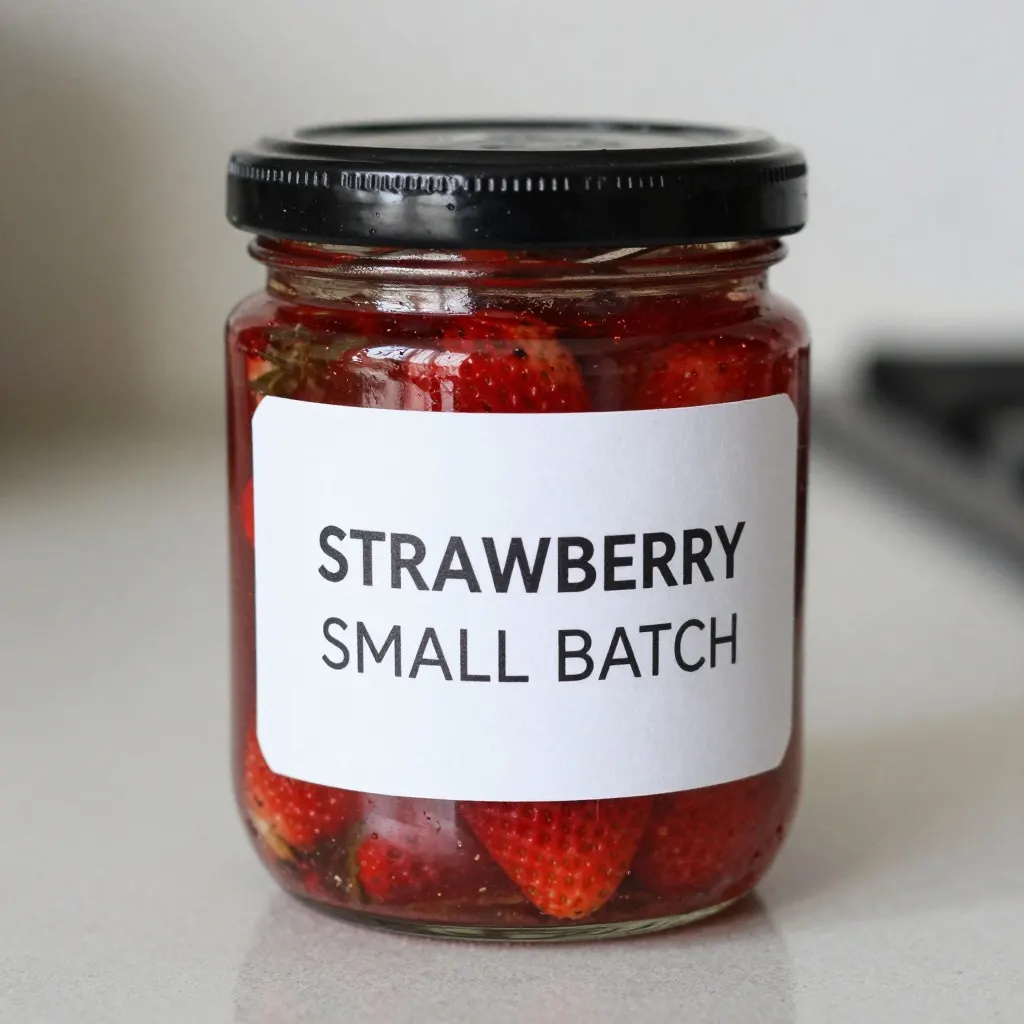
Frame 03 put twenty characters on a jam jar across two lines and got all twenty right. Frame 04 is the one that surprised us: the two Chinese characters on the shop board are correct and well proportioned, while the small red placards a few feet behind them in the same image are stroke-shaped noise. One of us reads Chinese, which is the only reason we tested a script we can check. We did not test Korean or Arabic, because we could not have judged the result.
One image, one model, one run, both outcomes. Everything we asked for at sign size came back right. Everything at caption size or below came back wrong. That, rather than any language boundary, is what separates the work these models can do from the work they cannot.
If you need the dense-text work today
Nothing free and open does it as of 2026-08. If the job is a newspaper page, a dense infographic, or a poster whose small print has to survive a print shop, the real options are hosted and paid: Qwen-Image-3.0 through Alibaba's API, GPT Image 2, or Nano Banana Pro. We are the wrong tool for that job and no prompt makes us the right one.
The workaround is free and covers most of what people actually need. Generate the picture with no text in it, then set the type yourself in a real font. Frame 06 is that test: one prompt, a usable image, and an empty band across the top waiting for a headline.
Our ceiling belongs in the same paragraph. Output here is 1024x1024, 1152x864, 864x1152, 1280x720 or 720x1280, which sits under a modern phone screen at native size. Anything going to print or a large display needs upscaling afterwards.
Run the label prompt
The jam jar prompt from frame 03, the one place in this set where the text came out right. It arrives in the box ready to edit.
No. On 2026-08-13 neither Hugging Face nor ModelScope carries a Qwen-Image-3.0 repository, and the 2026-07-21 announcement came with no model card, no licence and no technical report. It runs as a hosted API.
Where can I download Qwen-Image-3.0 weights?
Nowhere, as of 2026-08-13. Repos elsewhere using the name are mirrors of earlier Qwen-Image releases or unrelated fine-tunes. The genuine open ones are Qwen/Qwen-Image, Qwen/Qwen-Image-2512 and Qwen/Qwen-Image-Edit-2511, all Apache-2.0.
Can I run Qwen-Image-3.0 locally or in ComfyUI?
Not without weights. A workflow advertising 3.0 support is either calling the hosted API through a node or loading an older Qwen-Image checkpoint under a newer name.
What is the closest open model to it?
For generation, Z-Image Turbo: 6B, Apache-2.0, and the most downloaded of the models we checked at 962,234 in 30 days. For instruction editing, Qwen-Image-Edit-2511. Neither handles dense text.
Can I try the open models here without an account?
Yes. Text to image runs on Z-Image Turbo and editing runs on Qwen Image Edit, with no account, no watermark and no credit counter. We run both on our own RTX 4090, and ads cover the hardware.