How to tell if an image is AI generated: counting fingers stopped working
We probed six of the classic giveaways one at a time. Five of them are dead, and the one that survives is the one nobody mentions.
Experimenttrust·FreeImgGen Team·Updated ·Tested on Z-Image Turbo
The short answer
How to tell if an image is AI generated: start with the file rather than the picture, because provenance markers such as C2PA Content Credentials and Google SynthID answer the question directly when they are present. If you have only the image, the tells you were taught are mostly dead: we probed hands, teeth, repeated texture and background detail on a current model and they held up. The one that still fails reliably is small secondary text, the shop sign down the street, the spine of a book, a licence plate.
MethodSix prompts, each designed to walk the model into one classic tell, one generation apiece, Z-Image Turbo, 2026-08-12. Nothing re-rolled. Judged by eye at full resolution.
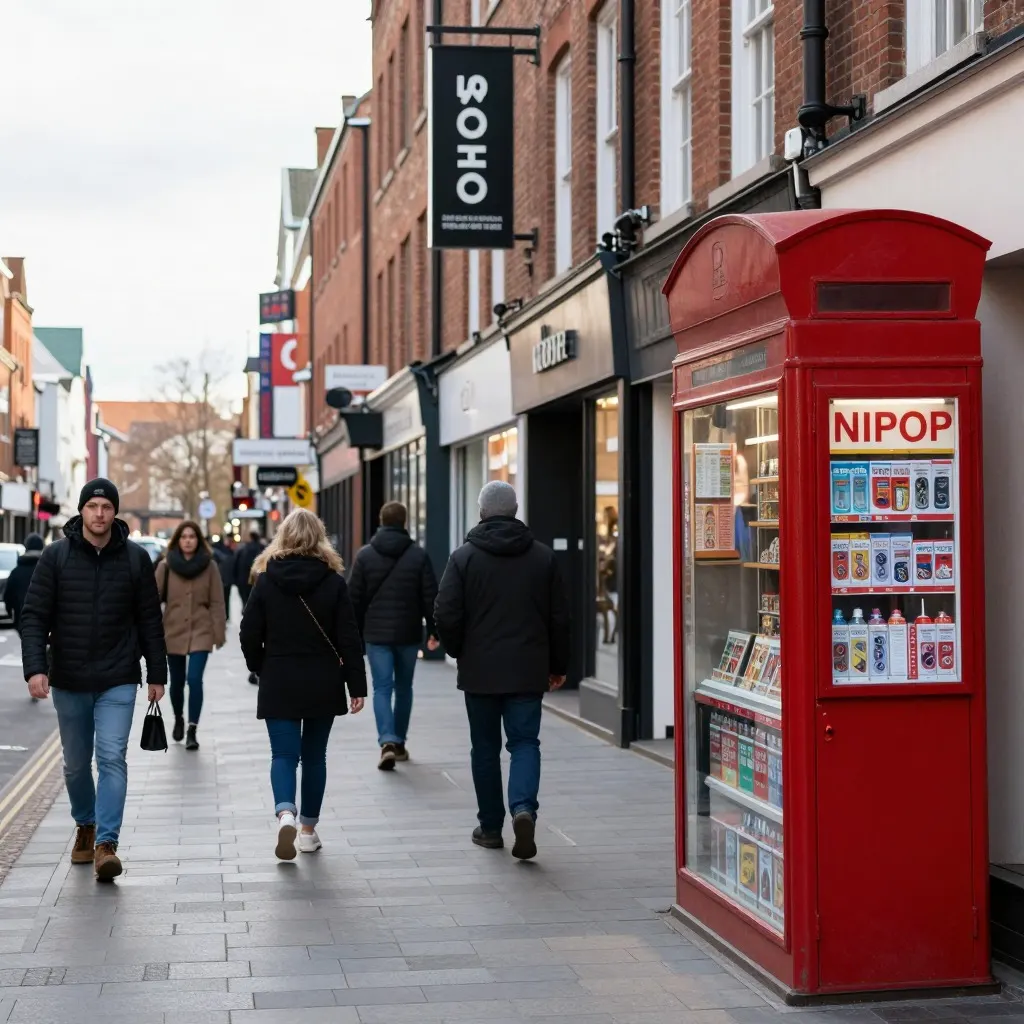
shop signage · still fails
The scene is convincing and the signage is not. Read the fascia and the kiosk: the letterforms are confident and the words are not words. This is the tell that survived.
Street photo of a busy shopping street with shop signs and a newsstand, mid afternoon
A handshake is the hardest hand case, and this one is fine at a glance. Our [36-image hand study](/blog/why-ai-struggles-with-hands/) found the same thing: hand-on-hand fails often, but not reliably enough to use as a test.
Two people shaking hands across a desk in an office, natural window light
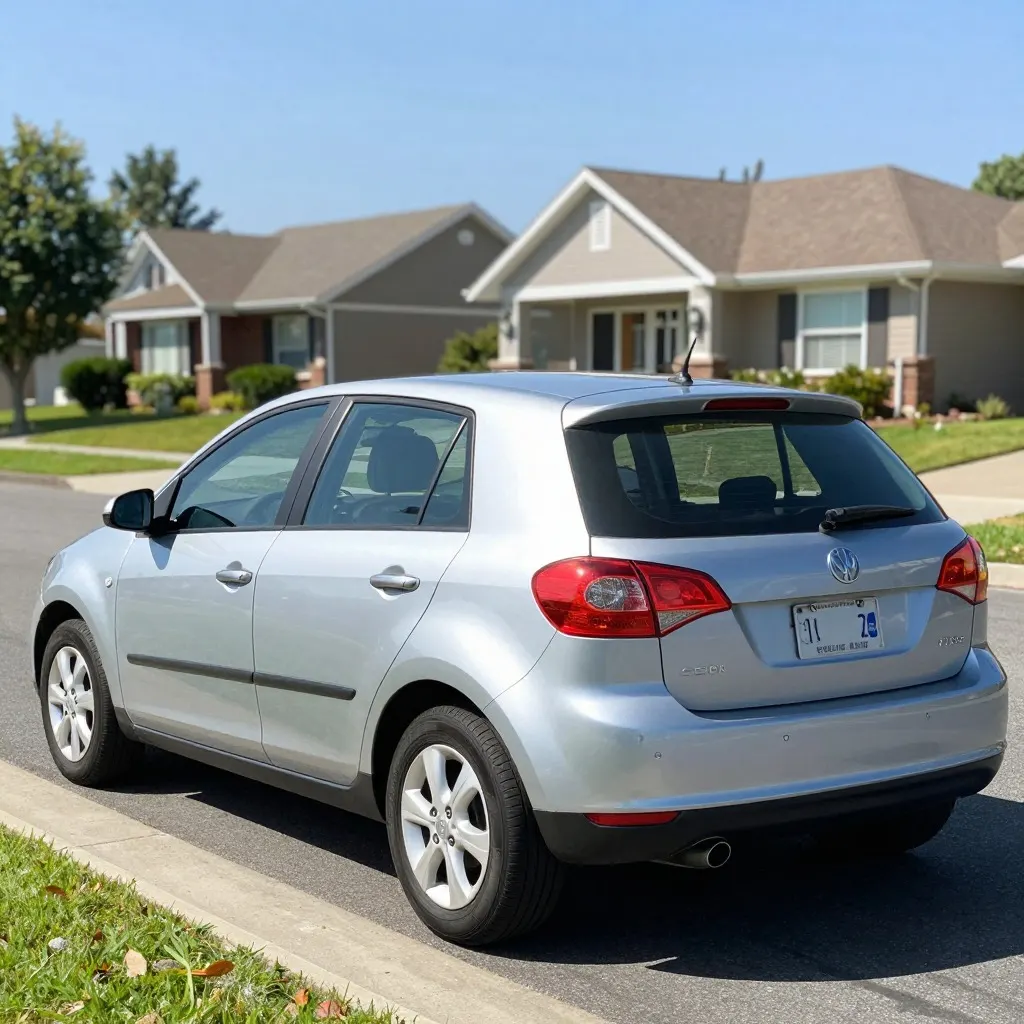
The car is plausible down to the panel gaps. The plate is a smear of characters and the model badge underneath is invented. Third instance, and the most useful one in practice.
A parked car on a suburban street with a licence plate visible, bright sun
The visual analysis everyone reaches for should be the last step, not the first, because two things can answer the question outright.
Content Credentials. The C2PA specification defines a signed manifest that travels inside the file and records how an image was made and edited. When it survives, it is decisive.
Invisible watermarks. Google embeds SynthID in images from its generative products, and it is built to survive cropping, filters and lossy compression. Google runs a public SynthID Detector portal for checking a file.
The catch is the same for both: absence proves nothing. Most platforms re-encode uploads, which strips C2PA manifests, and no marker exists for a model that never added one. A file with credentials tells you a lot. A file without them tells you almost nothing.
The tells you were taught, one at a time
We wrote six prompts, each aimed at a specific piece of folk wisdom, and looked at what came back.
Hands. Held up. Our separate run of 36 hand images found failures only where two hands touch each other, and even that is around half the time. As a test you can apply to a stranger's photo, it is now useless.
Teeth. Held up. The fused, over-numbered smile is gone.
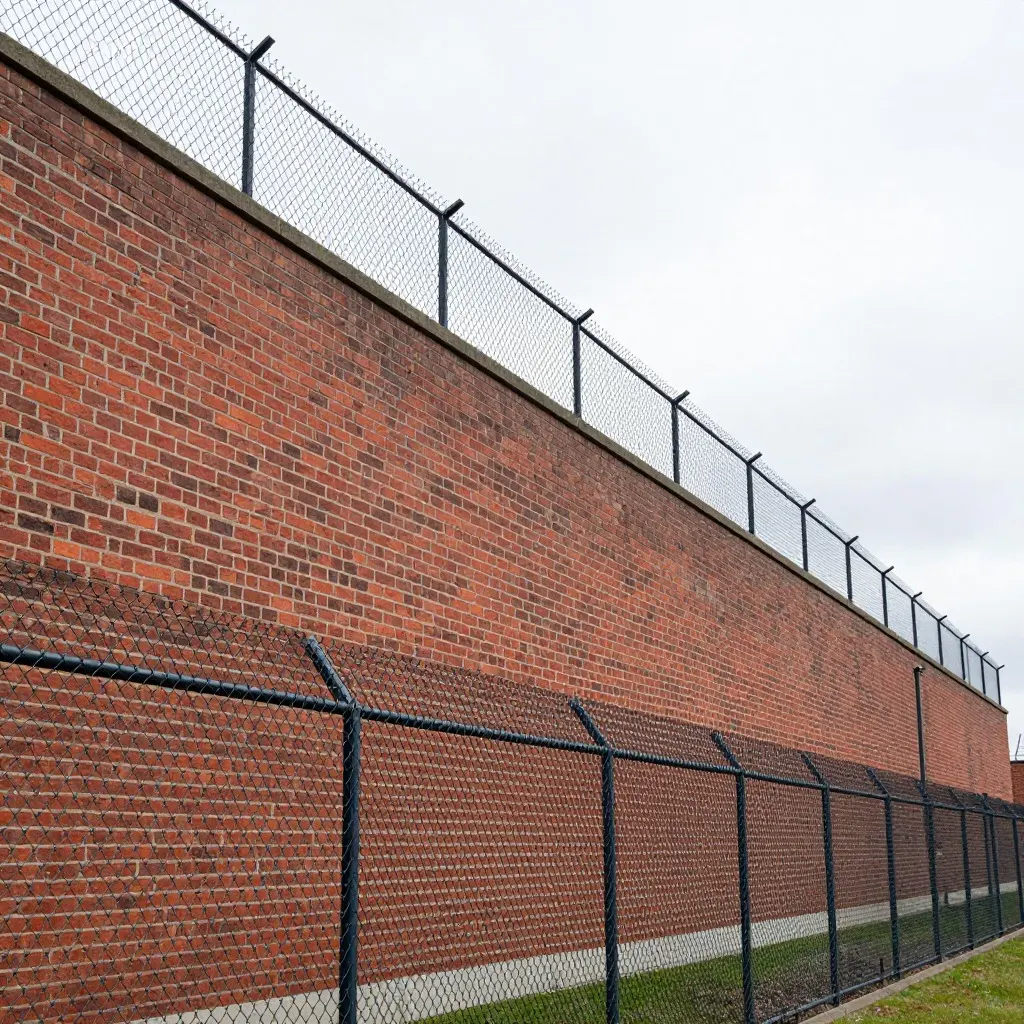
Repeating texture. Mostly held up. Brick and chain link were supposed to dissolve into mush and they did not.
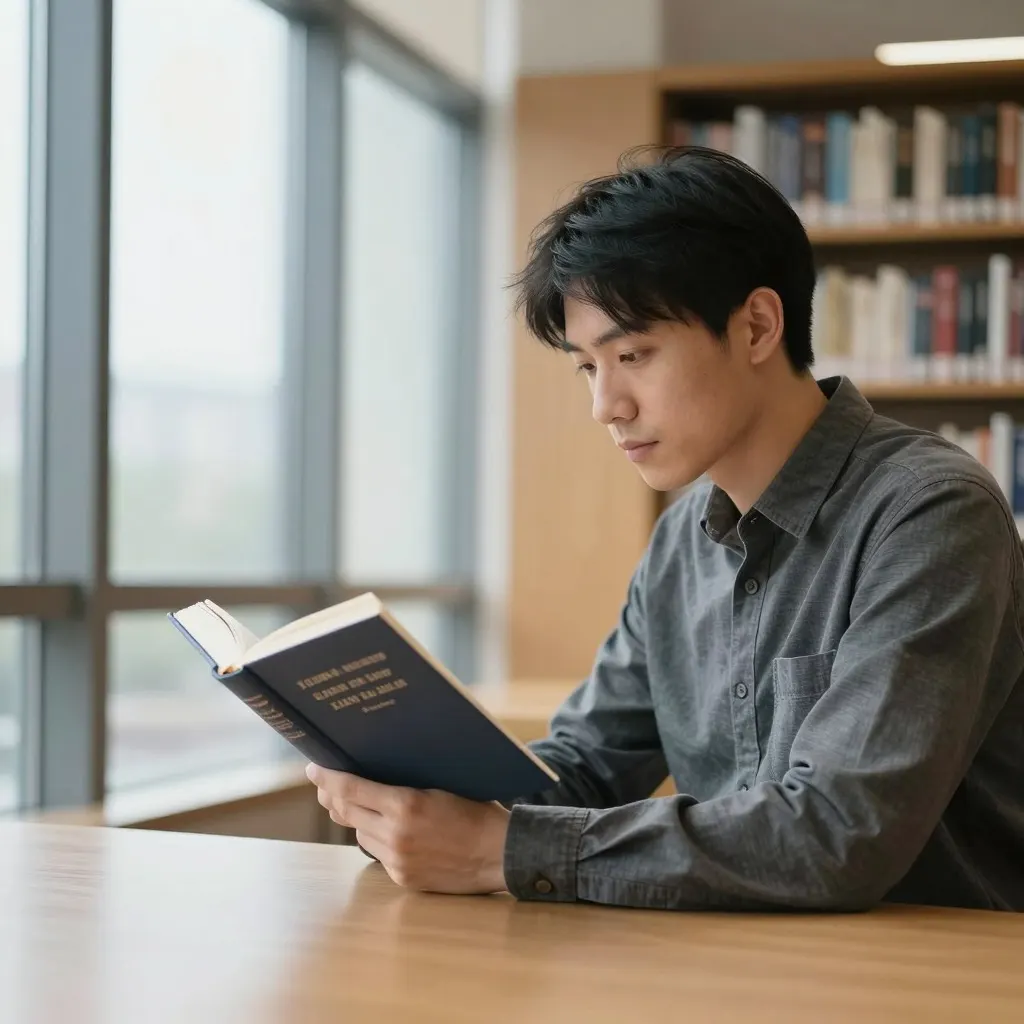
Small secondary text. Failed, three times out of three. Shop signs, a book page and a licence plate all came back as convincing typography spelling nothing.
That asymmetry is not an accident, and it is the useful part.
Why text is the last thing to fall
A hand has one correct configuration and a very large number of training examples showing it. The model learns the shape as a unit.
Text has no shape to learn. Every string is different, the correct answer depends on language rather than on appearance, and at fifteen pixels tall the difference between a real word and a plausible smear is invisible in the training signal. So the model produces what it has always produced: something with the statistical texture of writing.
The practical version: zoom into the smallest writing in the frame. Not the headline, not the subject. The sign three shops down, the spine on the shelf, the plate on the parked car. Large, central text is now often correct, which is exactly why the small stuff is the better test.
Ad
What detectors are good for
Detectors sit between provenance and eyeballs, and they are probabilistic rather than definitive. They report a likelihood, they were trained on the generators that existed when they were built, and a model released last month is outside that training.
Use them as a second opinion on an image you already suspect, not as an oracle on an image you do not. Two failure modes matter: a confident wrong answer on a real photograph that happened to be heavily edited, and a confident wrong answer on output from a generator the detector has never seen.
When the stakes are real, the question that beats all of this is not technical at all.
The question that actually settles it
Where did this image come from?
A reverse image search on Google Lens or TinEye will tell you whether a dramatic photograph is genuinely new or a debunked one from four years ago. It costs ten seconds and it resolves far more cases than pixel-peeping does.
After that, ask who is showing it to you. A newsworthy image that exists only on one anonymous account, with no other outlet carrying it, is suspicious regardless of what its shadows are doing.
We make AI images for a living, which is exactly why we would rather you had a working test than a folk one. Everything on this page describes one model on 2026-08-12, and the direction of travel is that the remaining tells get weaker, not stronger.
FAQ
Frequently asked questions
How can you tell if an image is AI generated in 2026?
Check the file first for C2PA Content Credentials or a SynthID watermark, since those answer the question when present. If you only have the picture, zoom into the smallest text in the frame: shop signs, book pages, licence plates. In our six-tell run that was the only giveaway that failed every time.
Does counting fingers still work?
No. A separate run of 36 hand images found single hands and hands holding objects correct every time, with failures only where two hands touch, and only about half the time even then. A handshake we generated for this piece came out fine. It is no longer a usable test.
Are AI image detectors accurate?
They give a probability, not a verdict, and they are trained on the generators that existed when they were built, so a newer model can slip past. Treat a detector as a second opinion on an image you already suspect rather than as a first check.
Why does the absence of a watermark not prove an image is real?
Because most platforms re-encode uploads, which strips C2PA manifests, and because plenty of generators never embed a marker at all. A file that carries credentials tells you a great deal. A file without them tells you almost nothing either way.
What is the fastest check for a suspicious photo?
Reverse image search it. Google Lens or TinEye will show whether the picture is genuinely new or an old one being recirculated, which resolves more cases than any amount of looking at shadows and fingers.