AI tattoo ideas that survive contact with a tattoo artist
Eleven designs on clean white, and the five words that decide whether you get a stencil or a photo of somebody else's arm.
Prompt setbody art·FreeImgGen Team·Updated ·Tested on Z-Image Turbo
The short answer
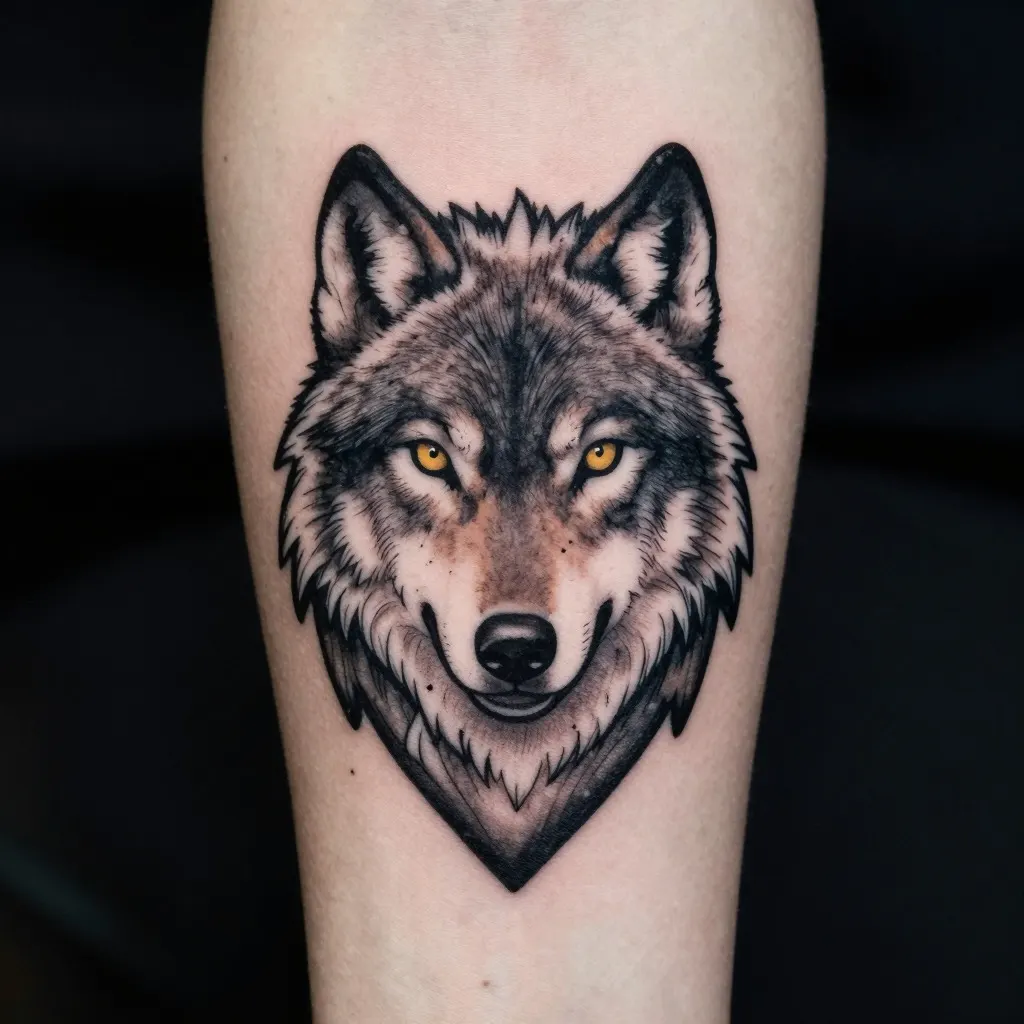
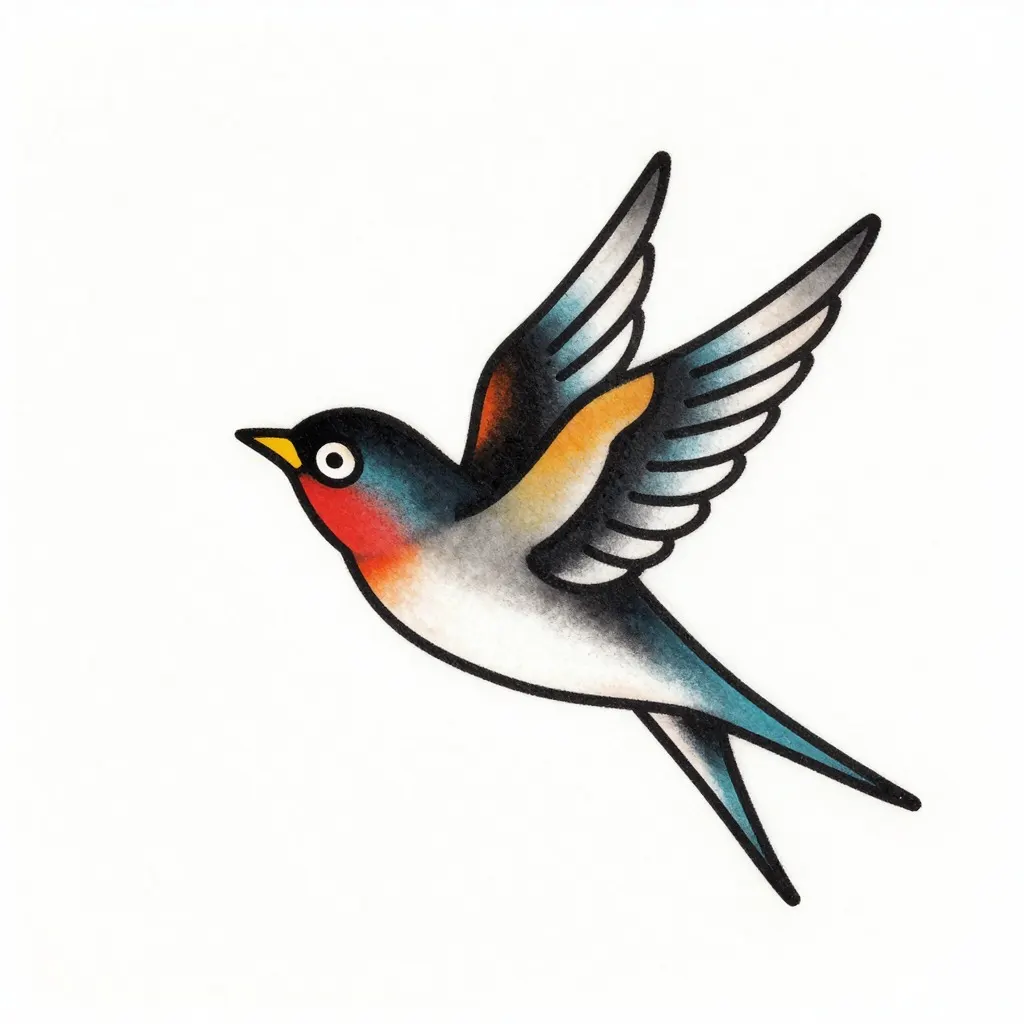
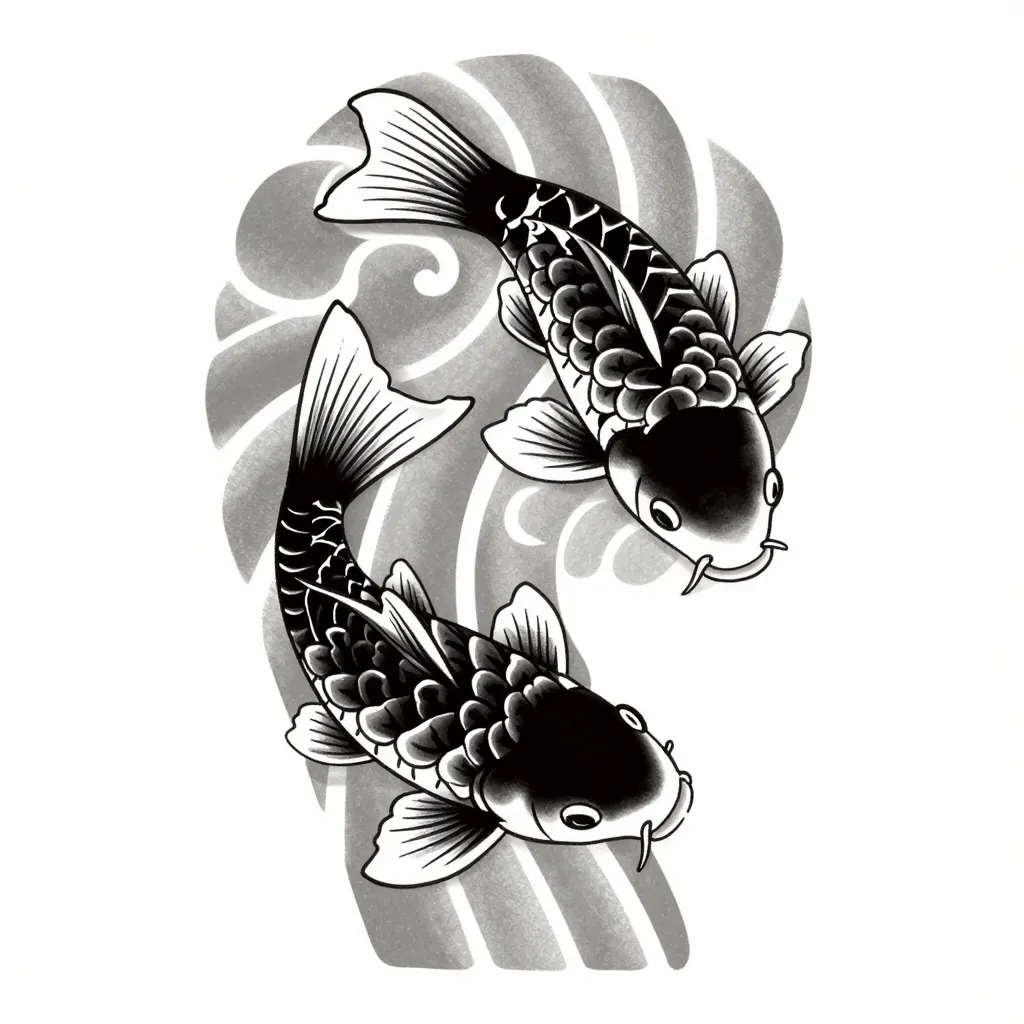
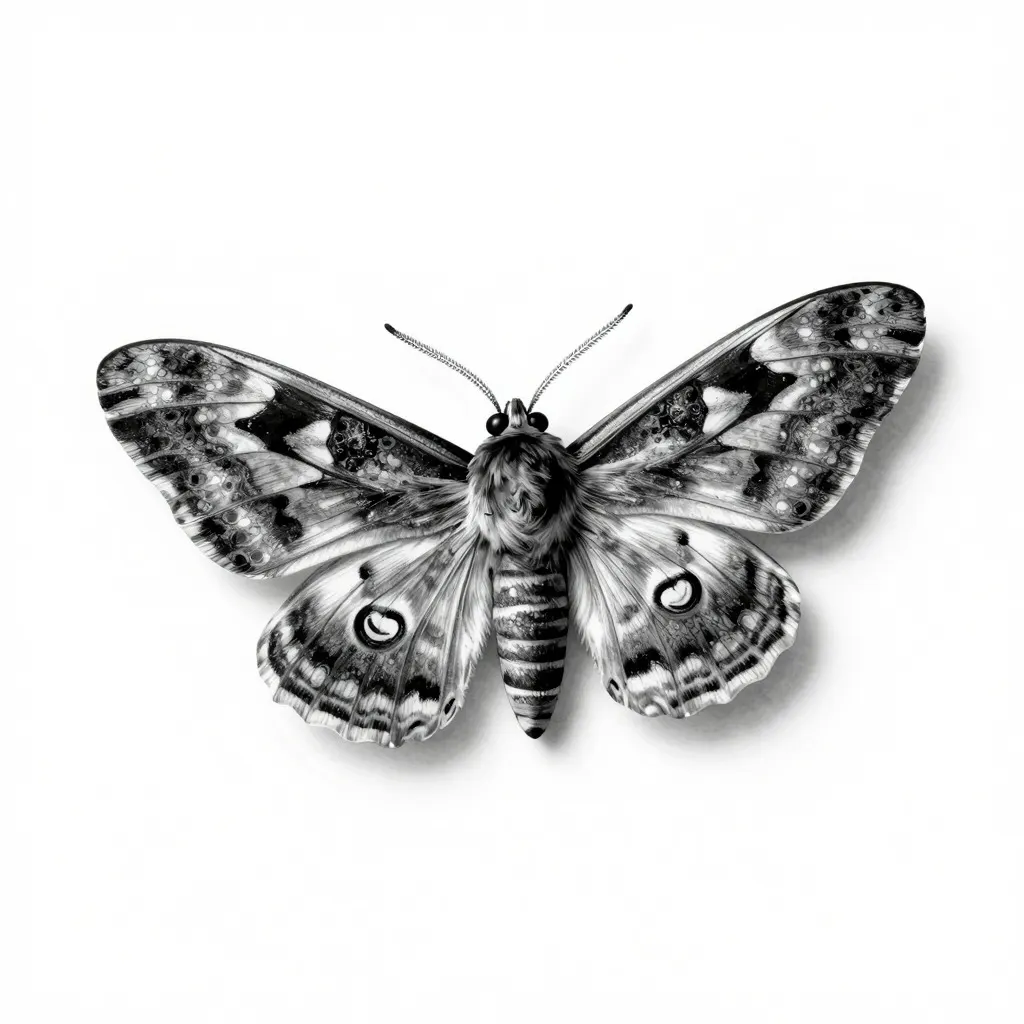
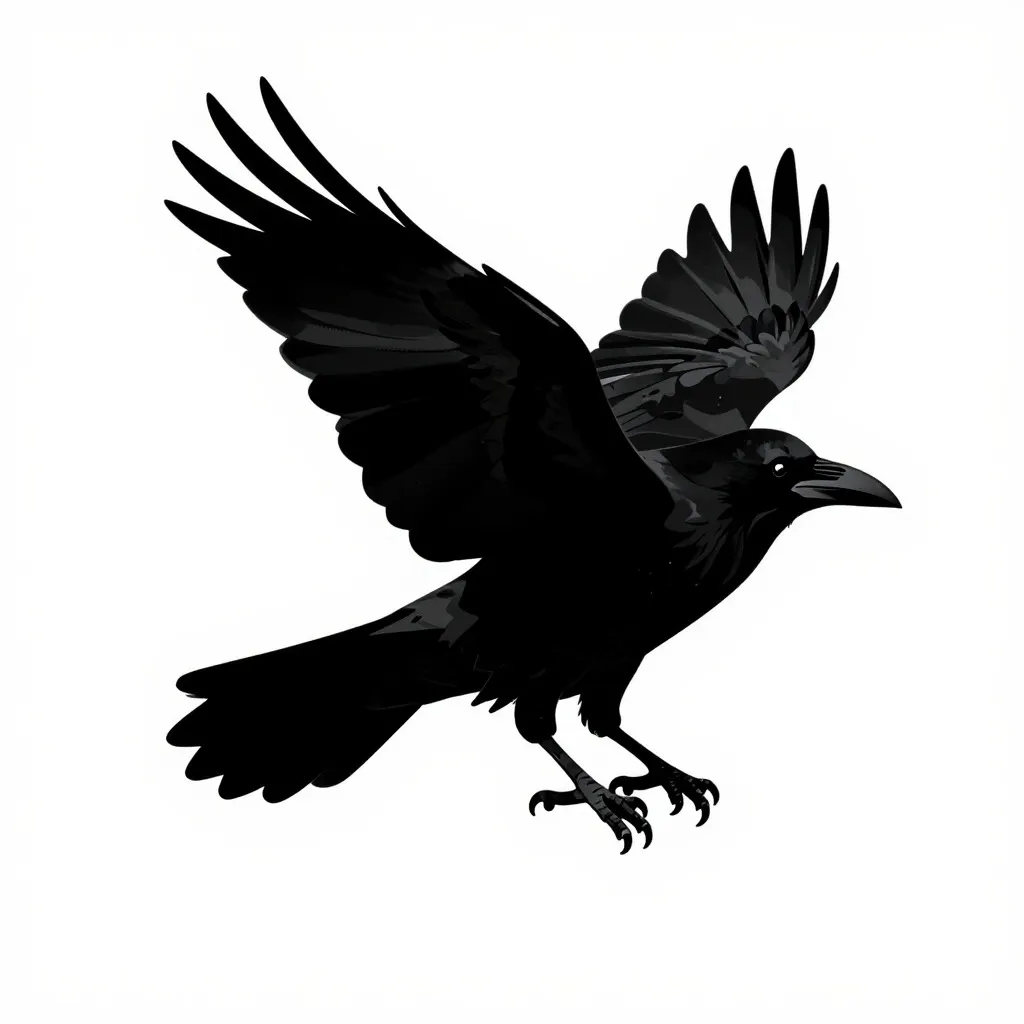
Most AI tattoo ideas arrive unusable for one reason. Ask for "a wolf tattoo design" and you get a photograph of a wolf tattoo on someone's forearm, which is useless to the artist who has to draw it. Add "black and grey linework, white background" and the same request returns a flat design on white that can go straight into a consultation. That phrase is doing more work than any amount of detail about the wolf.
MethodEleven prompts plus one A/B pair, one generation each, Z-Image Turbo, 2026-08-12, nothing re-rolled. Every prompt is printed under its frame and loads into the generator when clicked.
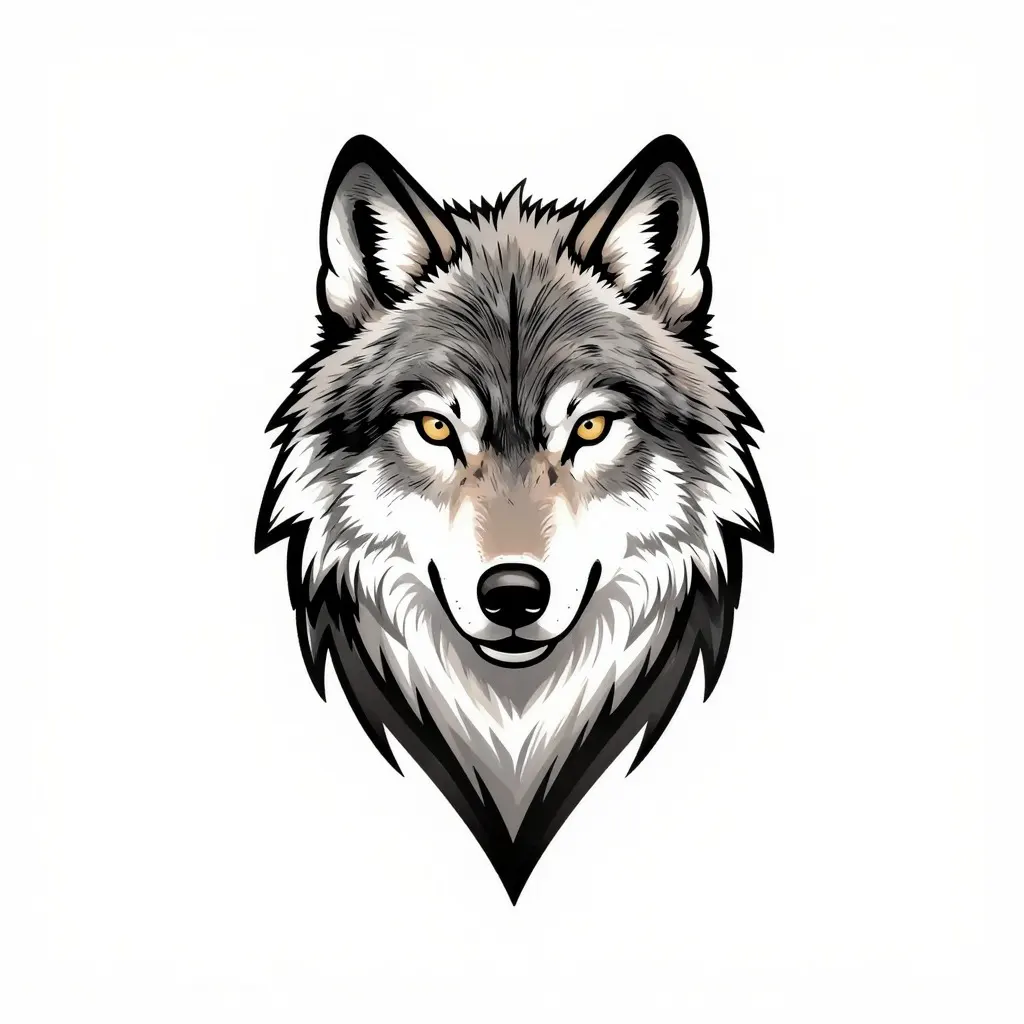
Left: "A wolf tattoo design". Right: the same request with five words added. The bare version is a photo of an arm. The other is a design you can hand to somebody.
A wolf tattoo design, black and grey linework, white background
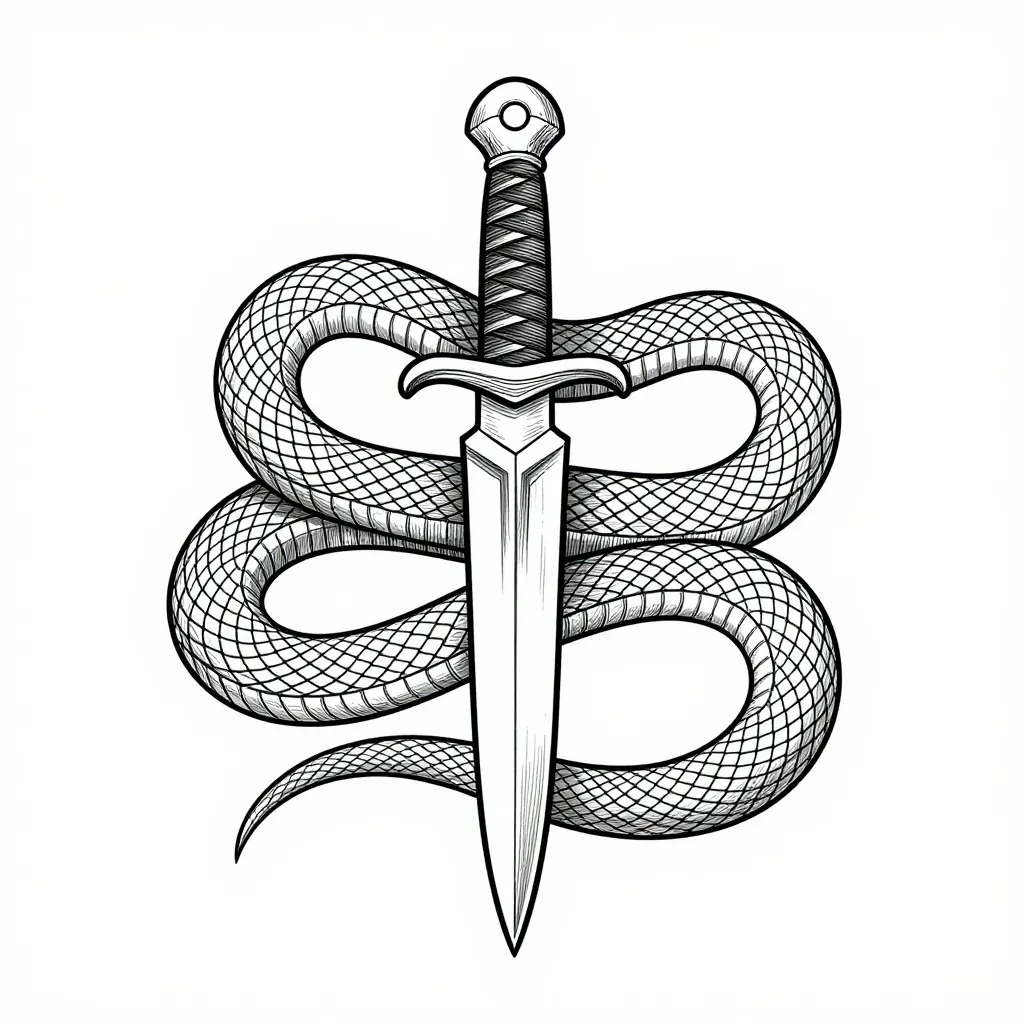
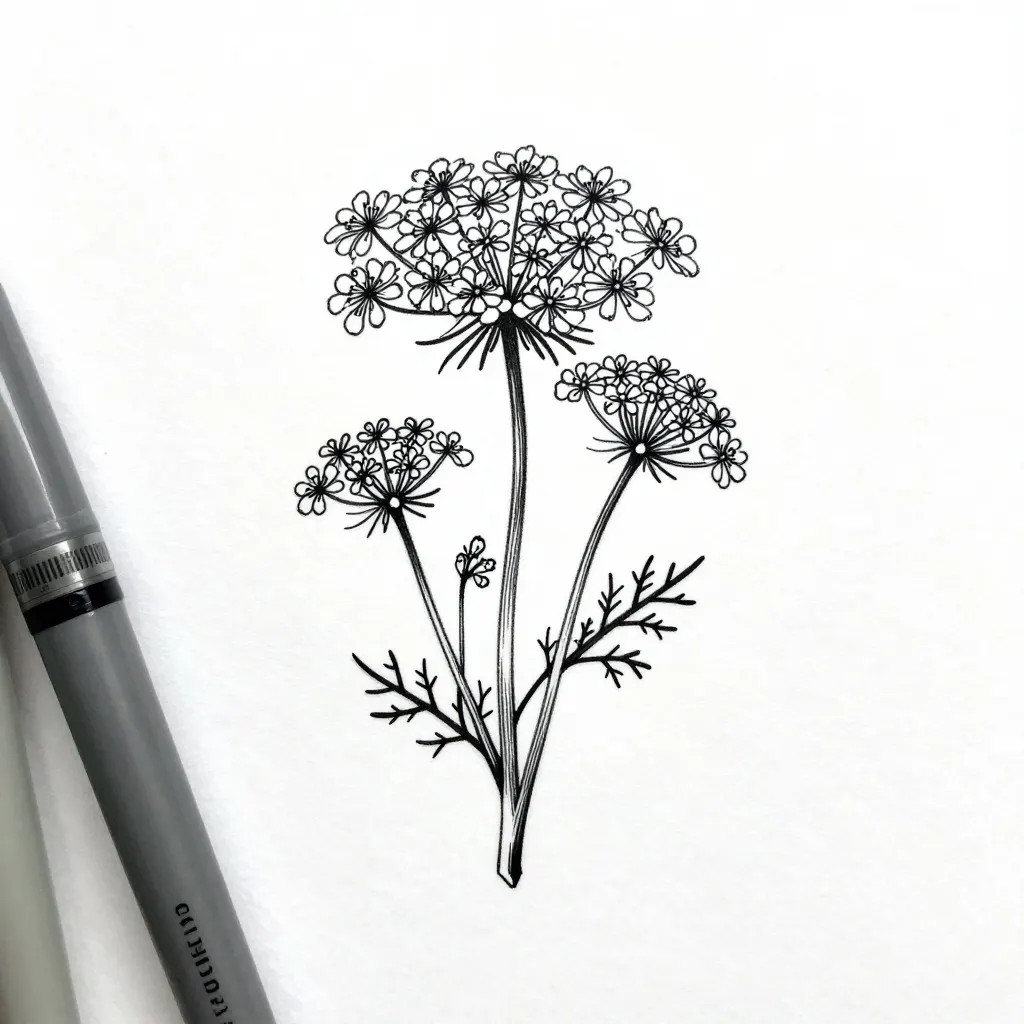
The design is right and it also drew the pen. Ask for a design on white and you will sometimes get a photograph of that design on a sheet of paper instead.
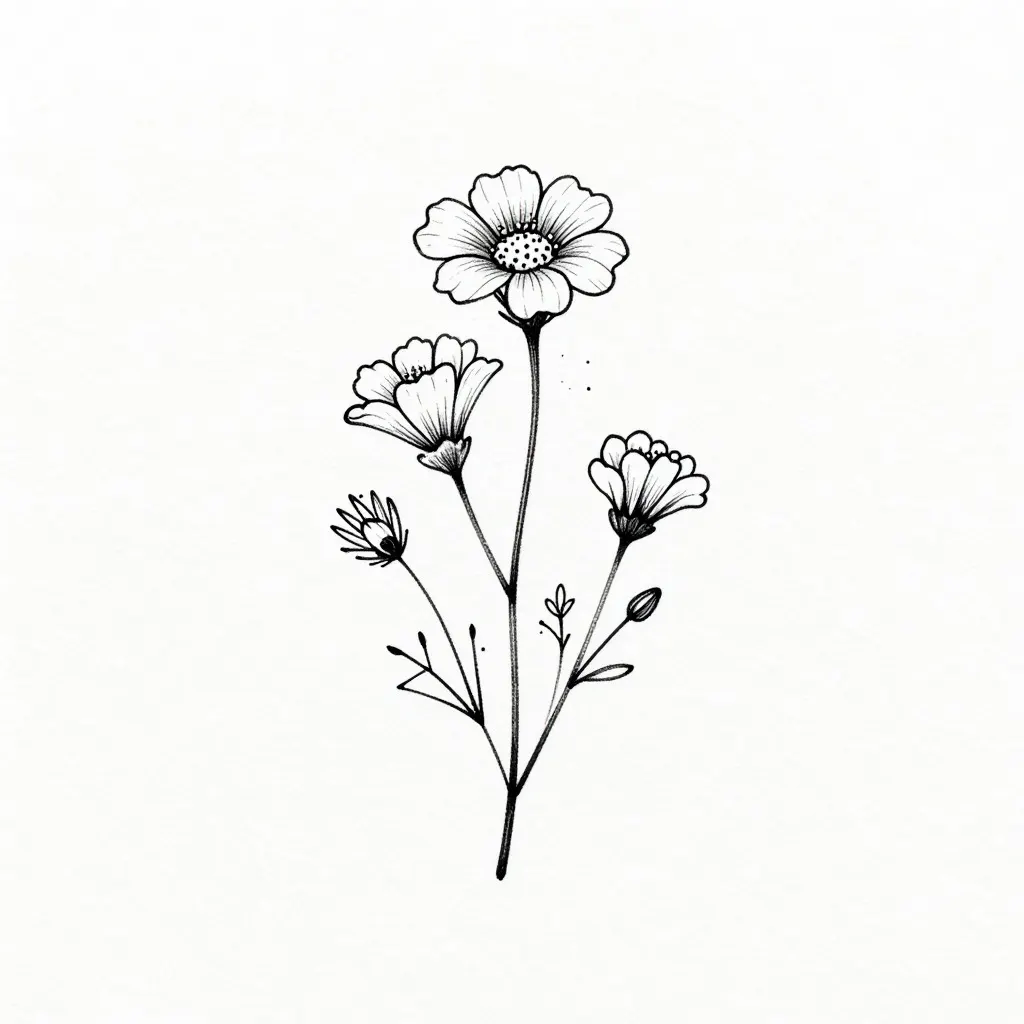
Fine line botanical tattoo design, wild carrot and yarrow, black linework on a white background
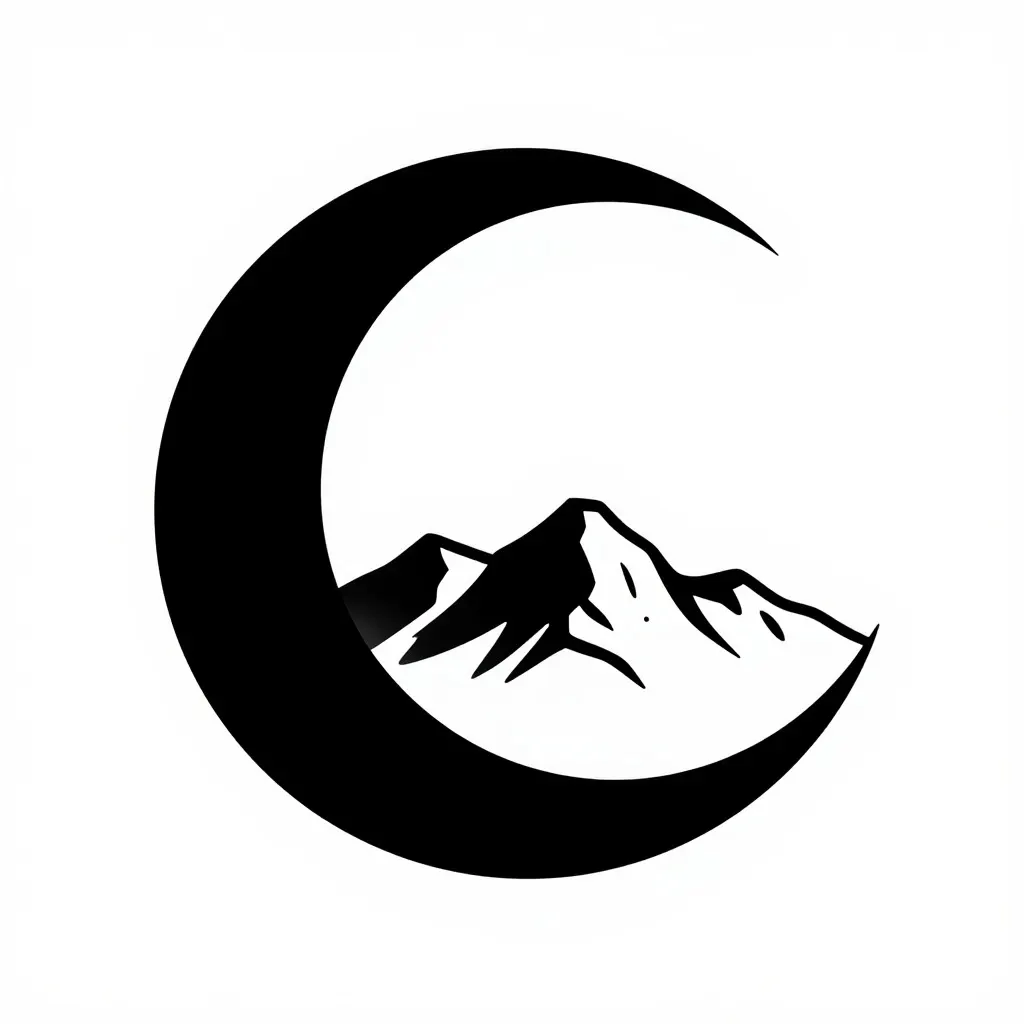
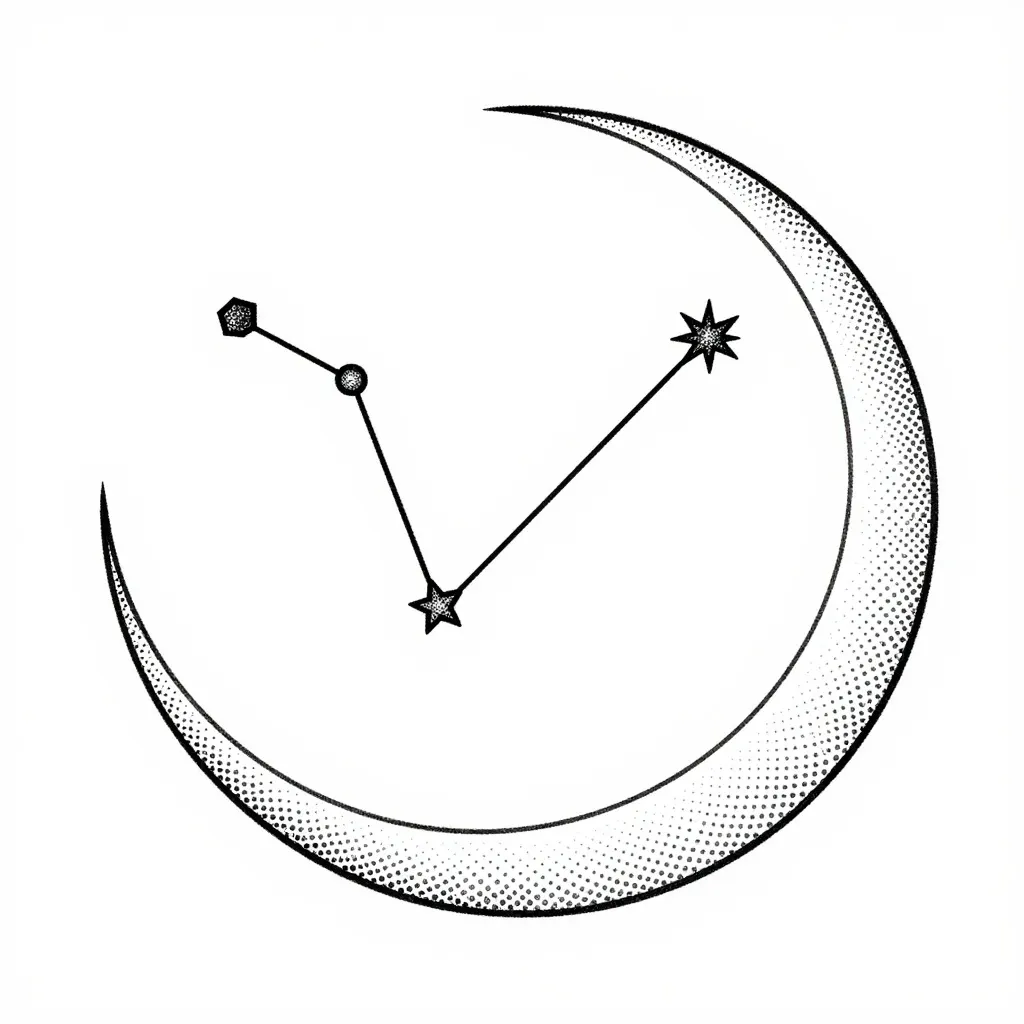
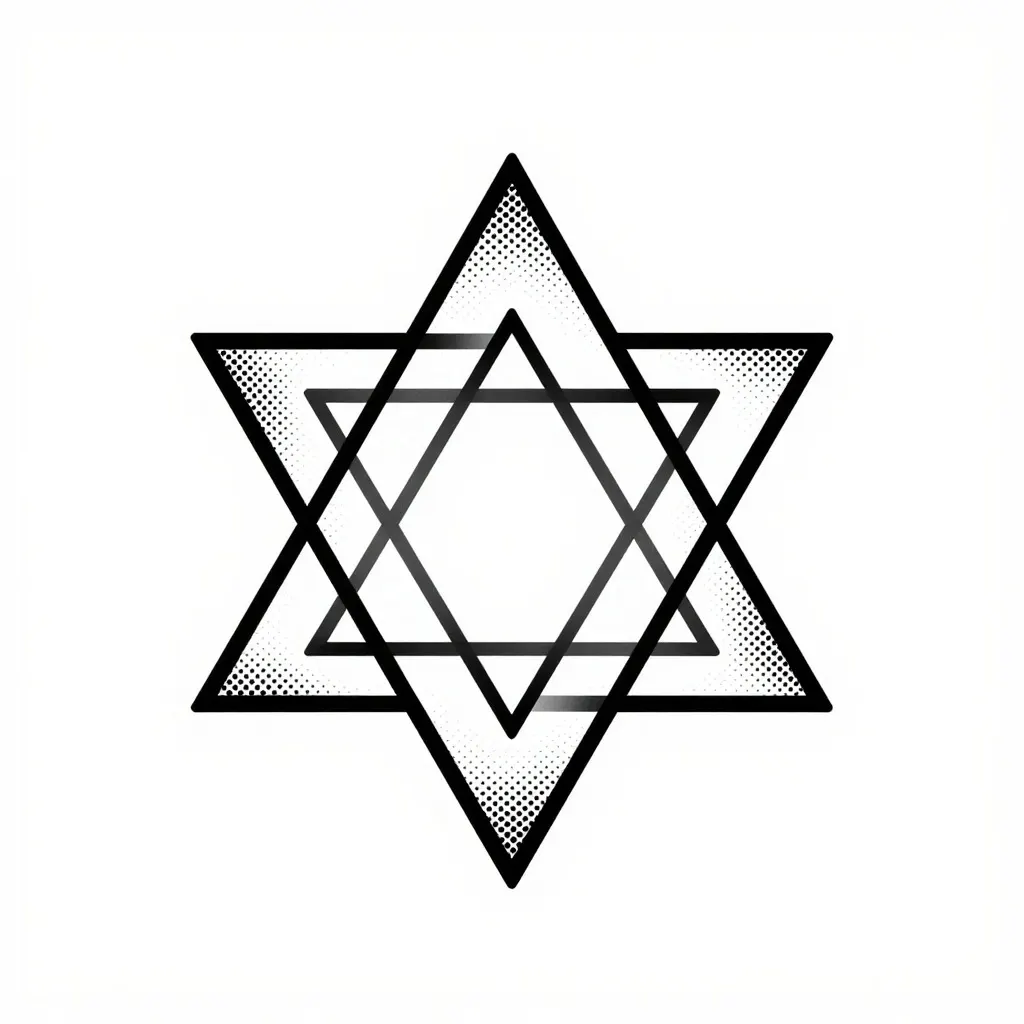
We asked for nested triangles and got a six-pointed star, which carries a meaning we did not request. Check what your geometry resolves into before you commit it to skin.
Geometric tattoo design, nested triangles with dot shading, black linework, white background
Without them, the model reaches for the most common kind of picture that matches "tattoo": a photograph of a finished tattoo on a body. It is a good photograph. It is also the wrong artefact, because your artist needs to see the design flat, at full contrast, with no skin tone and no forearm curvature in the way.
With them, you get something that behaves like a reference drawing. Both versions of the wolf are in the first frame above and the difference is not subtle.
Everything else in a tattoo prompt is negotiable. That phrase is not.
Naming the style beats describing it
Tattooing has a well-developed vocabulary and the model knows all of it. Fine line, blackwork, traditional American, Japanese, micro realism, dotwork, single needle, ornamental. Each of these produces a distinctly different result, and each is one word.
That is much more efficient than describing what you want in general terms, for the same reason one added word beats a rewrite: a style name that appears consistently in captioned training data pulls harder than any number of adjectives.
It also gives you a shared language with your artist. Turning up with "something fine line, botanical" is a productive start to a conversation. Turning up with a photo of an arm is not.
What this will not do
It will not give you a stencil. What comes out is a raster image at 1024x1024, and a stencil needs clean vector paths at the size of your arm. Your artist will redraw it, and that is the normal process rather than a failure of the tool.
It will not do lettering. Script and quote tattoos are the single most requested category and the one where a generator is least useful, because text at that size comes out as convincing letterforms spelling nothing. Pick a real font instead.
It will not place the design on your body. Nothing here shows you how a piece will sit on a forearm or wrap a bicep, which is exactly what an artist is for.
And it will not tell you what a symbol means. The geometric frame above asked for nested triangles and returned a six-pointed star. Anything you cannot read, look up before you commit it.
Ad
How to use these with an actual artist
Bring three or four, not one. Artists work better from a direction than from a single image they are being asked to copy, and a small spread shows them what you keep gravitating towards.
Say what you like about each one. "This line weight" or "this composition but a different animal" is far more useful than handing over a picture.
Expect it to be redrawn. Every artist worth booking will adapt a reference to the body part, the size and their own hand. That is what you are paying for.
And generate more than you need. It is free and uncapped here, so pull twenty and keep four. Every prompt on this page loads into the generator with one click if you want to change the animal and keep the style.
Copyright, briefly
Two questions come up and they have different answers.
Can you use these? Yes. Downloads are full resolution, unwatermarked, with no licence retained by us, and taking one to a studio is entirely ordinary.
Do you own the design? Almost certainly not, in the sense that would let you stop someone else using the same one. The US Copyright Office does not register work with no human authorship, which is covered properly in can you sell AI-generated art. For a tattoo this rarely matters. Your artist's interpretation on your skin is unique regardless.
Change the animal, keep the style
This is the prompt behind the wolf on white. Swap the subject and the five important words carry over.
Add "linework, white background" to whatever you ask for. Without it the model returns a photograph of a tattoo on somebody's arm; with it you get a flat design an artist can read. Then name a style, fine line, blackwork, traditional, Japanese, micro realism, rather than describing one.
Can I take an AI tattoo design to a tattoo artist?
Yes, and most will welcome it as a reference. Bring three or four rather than one, say what you like about each, and expect the artist to redraw it for your body and their own hand. What comes out of a generator is a starting point, not a stencil.
Can AI make a tattoo with words or a name in it?
Not reliably. Script and quote tattoos are the weakest category, because text at design size comes out as convincing letterforms that do not spell anything. Generate the imagery and set any lettering yourself in a real font, or leave it to the artist.
Is the resolution high enough for a tattoo?
For a reference, easily. For a stencil, no: output is 1024x1024 raster, and a stencil needs clean paths at body scale. Your artist will redraw it, which is the standard process for any reference image.
Do I own an AI-generated tattoo design?
You can use it freely, and downloads here carry no watermark and no licence back to us. Owning it in a way that excludes others is a different question, and for unmodified generator output the answer in the US is generally no.